Sleep Apnea Research and Scientific Articles

The research behind better sleep.

Plain-English summaries of the studies on sleep apnea, airways, and treatment results.

How we use research

The science behind our care.

These are the studies and guidelines our doctors lean on. Each link goes to the original journal or medical society.

  • A plain-English takeaway for every study
  • Studies funded by device makers are labeled
  • We include findings that show the limits, too

Which evidence answers your question?

Health impact

How sleep apnea affects your health.

Large studies link untreated sleep apnea to heart, brain, mood, and driving risks.

Circulation · 2021

Obstructive Sleep Apnea and Cardiovascular Disease: A Scientific Statement From the American Heart Association

Sleep apnea is common in people with high blood pressure, heart failure, irregular heartbeat, and stroke, and is often missed.

Yeghiazarians Y, et al.Read the study (opens in a new tab) →
New England Journal of Medicine · 2005

Obstructive Sleep Apnea as a Risk Factor for Stroke and Death

People with sleep apnea had about twice the risk of stroke or death over several years, even after accounting for other health factors.

Yaggi HK, et al.Read the study (opens in a new tab) →
European Heart Journal · 2019

The hypoxic burden of sleep apnoea predicts cardiovascular disease-related mortality: the Osteoporotic Fractures in Men Study and the Sleep Heart Health Study

How much oxygen drops during sleep was linked to a higher risk of dying from heart disease in two large studies.

Azarbarzin A, et al.Read the study (opens in a new tab) →
Journal of Clinical Sleep Medicine · 2010

Frequency of sleep apnea in stroke and TIA patients: a meta-analysis

About 7 in 10 people who had a stroke or mini-stroke also had sleep-disordered breathing in this review of 29 studies.

Johnson KG, Johnson DCRead the study (opens in a new tab) →
Journal of Clinical Sleep Medicine · 2017

Associations of Undiagnosed Obstructive Sleep Apnea and Excessive Daytime Sleepiness With Depression: An Australian Population Study

Men with undiagnosed severe sleep apnea were about twice as likely to have depression symptoms, and more so if they felt sleepy by day.

Lang CJ, et al.Read the study (opens in a new tab) →
JAMA · 2011

Sleep-disordered breathing, hypoxia, and risk of mild cognitive impairment and dementia in older women

Older women with sleep-disordered breathing were more likely to develop memory problems or dementia over about five years.

Yaffe K, et al.Read the study (opens in a new tab) →
Chest · 2017

Obstructive Sleep Apnea and Diabetes: A State of the Art Review

Sleep apnea is common in type 2 diabetes and has been linked to developing diabetes and to harder blood sugar control.

Reutrakul S, Mokhlesi BRead the study (opens in a new tab) →
Journal of Clinical Sleep Medicine · 2009

Obstructive sleep apnea and risk of motor vehicle crash: systematic review and meta-analysis

Drivers with sleep apnea have a higher crash rate than drivers without it, likely somewhere between about 1.2 and 4.9 times higher.

Tregear S, et al.Read the study (opens in a new tab) →
Kids and sleep

What research says about kids.

How snoring and sleep apnea can affect a child’s behavior, sleep, and growth.

Pediatrics · 2012

Diagnosis and management of childhood obstructive sleep apnea syndrome (AAP Clinical Practice Guideline)

Pediatricians should ask about snoring at checkups, and children who snore with other signs should be evaluated for sleep apnea.

Marcus CL, et al.Read the study (opens in a new tab) →
New England Journal of Medicine · 2013

A Randomized Trial of Adenotonsillectomy for Childhood Sleep Apnea (CHAT)

Removing tonsils and adenoids improved children's behavior, symptoms, and quality of life, though attention test scores were similar to watchful waiting.

Marcus CL, et al.Read the study (opens in a new tab) →
Pediatrics · 2012

Sleep-disordered breathing in a population-based cohort: behavioral outcomes at 4 and 7 years

Young children who snored, mouth-breathed, or paused breathing were more likely to have hyperactivity and behavior problems by age 7.

Bonuck K, et al.Read the study (opens in a new tab) →
It's crazy how a messed up jaw is connected to sleep apnea and the body being out of sync. I don't understand it all but I'm beginning to more and more.
Cathey D. · Patient of Dr. Williams

Every person is different. Read patient reviews →

Oral appliances

How well oral appliances work.

Guidelines and trials comparing custom oral appliances with CPAP.

J Clin Sleep Med / J Dental Sleep Med · 2015

Clinical Practice Guideline for the Treatment of Obstructive Sleep Apnea and Snoring with Oral Appliance Therapy: An Update for 2015

Doctors should consider a custom, adjustable oral appliance for adults with sleep apnea who can't tolerate CPAP or prefer another option.

Ramar K, et al.Read the study (opens in a new tab) →
American Journal of Respiratory and Critical Care Medicine · 2013

Health outcomes of continuous positive airway pressure versus oral appliance treatment for obstructive sleep apnea: a randomized controlled trial

CPAP lowered breathing pauses more, but people wore the oral appliance longer each night, and health results were similar after one month.

Phillips CL, et al.Read the study (opens in a new tab) →
Journal of the American College of Cardiology · 2024

Mandibular Advancement vs CPAP for Blood Pressure Reduction in Patients With Obstructive Sleep Apnea (CRESCENT)

In 220 adults with high blood pressure, an oral appliance lowered 24-hour blood pressure at least as well as CPAP over six months.

Ou YH, et al.Read the study (opens in a new tab) →
Journal of Dental Sleep Medicine · 2021

Defining and Measuring Compliance With Oral Appliance Therapy (AADSM consensus)

Experts define good use as wearing the appliance for at least 80% of sleep time, at least five nights a week.

Radmand R, et al.Read the study (opens in a new tab) →
Expansion

Research on expansion and airway growth.

Studies of expansion in kids and adults, including Vivos appliances, and where the evidence is thin.

European Journal of Pediatrics · 2025

Multicenter clinical trial for the treatment of obstructive sleep apnea with a non-permanent orthodontic intraoral device in children

In 47 children using a removable expansion appliance, breathing pauses dropped about 29% on average; there was no comparison group.

Funded by Vivos Therapeutics. No comparison group.Kushida CA, et al.Read the study (opens in a new tab) →
Pathophysiology · 2023

Retrospective Analysis of Real-World Data for the Treatment of Obstructive Sleep Apnea with Slow Maxillary Expansion Using a Unique Expansion Dental Appliance (DNA)

In a look-back review of adults using the DNA appliance, breathing pauses fell about 46% on average and airway size increased.

Authors have ties to Vivos Therapeutics. No comparison group.Dao N, et al.Read the study (opens in a new tab) →
Sleep Medicine · 2022

Use of the Complete Airway Repositioning and Expansion (CARE) approach in 220 patients with Obstructive Sleep Apnea (OSA): A retrospective cohort study

In 220 adults treated with Vivos appliances, breathing pauses dropped about half on average; about 1 in 4 no longer met the OSA cutoff.

Studies the Vivos treatment approach; an author has ties to Vivos. No comparison group.Katz D, et al.Read the study (opens in a new tab) →
Laryngoscope · 2017

Rapid maxillary expansion for pediatric obstructive sleep apnea: A systematic review and meta-analysis

Across 17 studies of children, palate expansion was linked to fewer breathing pauses and better oxygen levels, with larger gains when tonsils were small.

Camacho M, et al.Read the study (opens in a new tab) →
Sleep Medicine · 2022

Impact of rapid palatal expansion on the size of adenoids and tonsils in children

In children with large tonsils, palate expansion was linked to smaller tonsils and adenoids on scans and fewer sleep symptoms about a year later.

Yoon A, et al.Read the study (opens in a new tab) →
Journal of Dental Sleep Medicine · 2024

Novel Therapies for Preventing, Managing and Treating Obstructive Sleep Apnea and Snoring in Pediatric and Adult Patients (AADSM consensus)

Experts found expansion, myofunctional therapy, tongue-tie release, and lasers may help some patients, but evidence is too limited to use them alone first.

Sheats R, et al.Read the study (opens in a new tab) →
Tongue and myo

Tongue ties and myofunctional therapy.

What exercises and tongue tie releases can and can’t do for breathing and sleep.

Sleep · 2015

Myofunctional Therapy to Treat Obstructive Sleep Apnea: A Systematic Review and Meta-analysis

Mouth and tongue exercises were linked to about a 50% drop in breathing pauses in adults and less snoring and sleepiness.

Camacho M, et al.Read the study (opens in a new tab) →
Otolaryngology-Head and Neck Surgery · 2020

Clinical Consensus Statement: Ankyloglossia in Children

Ear, nose, and throat experts agreed tongue-tie can affect infant feeding, but said it does not cause sleep apnea.

Messner AH, et al.Read the study (opens in a new tab) →
Laryngoscope Investigative Otolaryngology · 2019

Lingual frenuloplasty with myofunctional therapy: Exploring safety and efficacy in 348 cases

In a patient survey, most people reported better quality of life after tongue-tie release plus exercises; serious complications were not reported.

Zaghi S, et al.Read the study (opens in a new tab) →
Because Dr. Erlander will analyze and diagnose each patient individually, he can tell what is actually needed instead of automatically treating each patient with the same approach.
Gary F. · Patient of Dr. Erlander

Every person is different. Read patient reviews →

Real patient results

Our clinical cases.

Scans and photos from our own patients, shared with permission. Every person is different, so results vary.

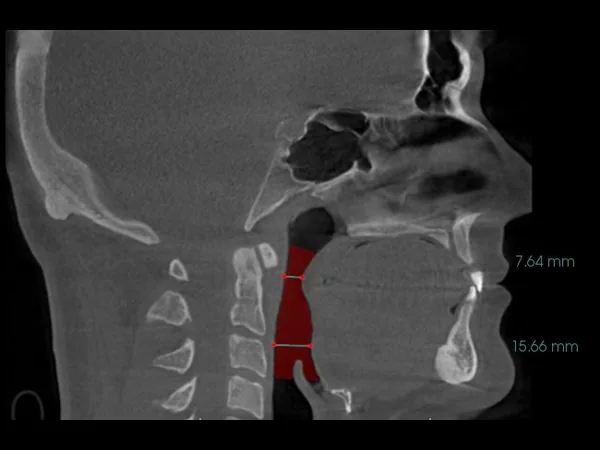
Side-view CBCT scan of the patient's airway before treatmentBefore
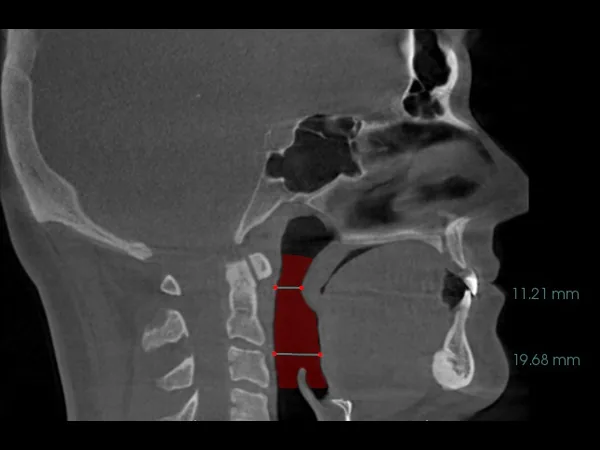
Side-view CBCT scan of the patient's airway mid-treatment, with a wider airwayMid-treatment
Adult expansion · side-view scanThe airway space behind the tongue measured wider partway through treatment.
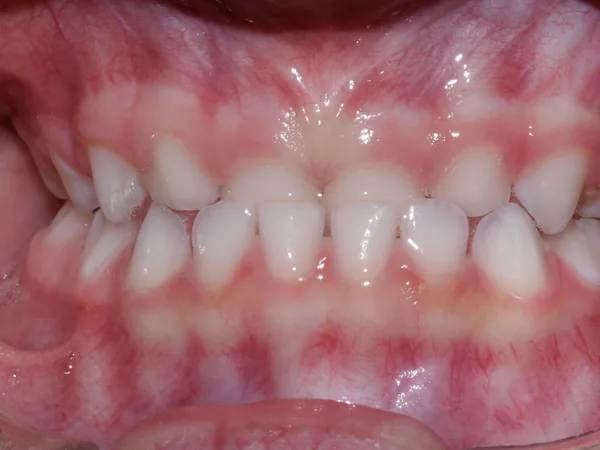
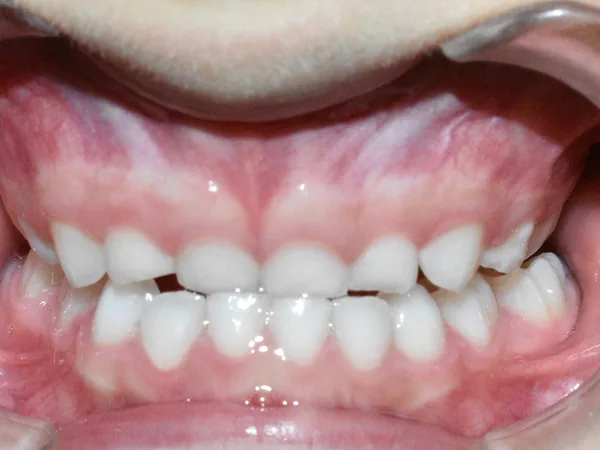
The child's front teeth before treatment, crowded and unevenBefore
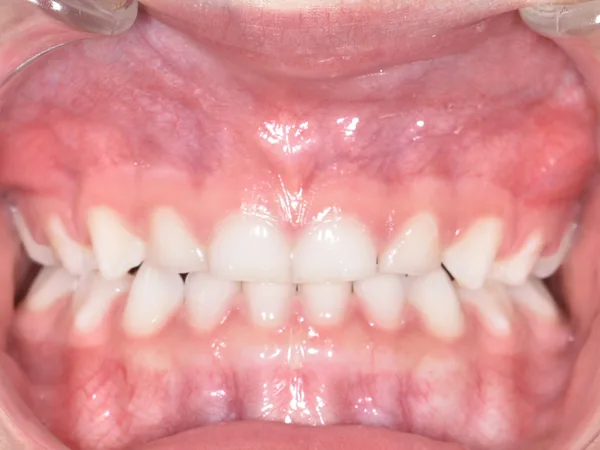
The child's teeth after about 10 months, straighter with a wider archAfter ~10 months
Kids' guided jaw growthLess crowding and a wider smile after about 10 months.
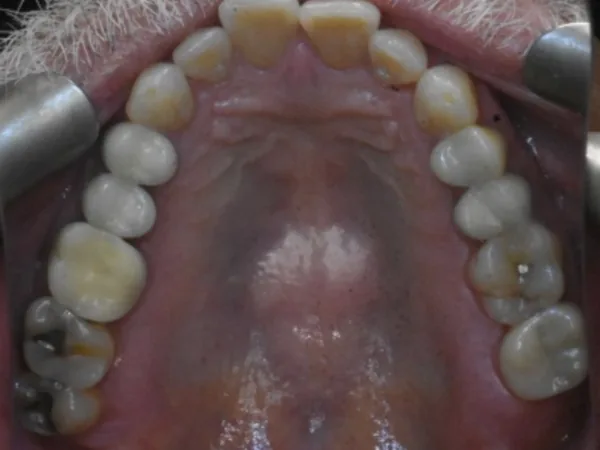
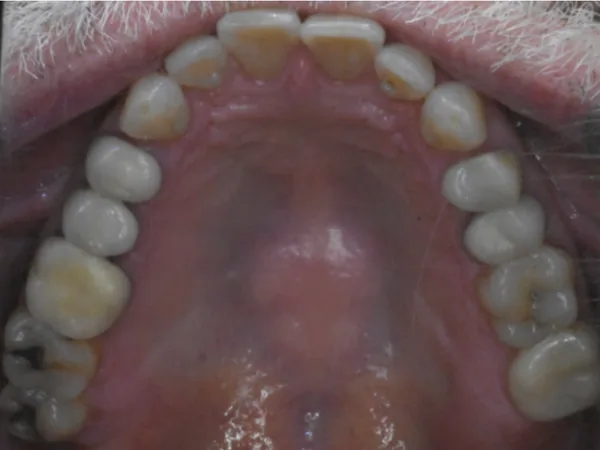
The patient's upper arch before expansionBefore
The patient's upper arch after expansion, visibly widerAfter
Adult expansion · upper archA wider upper arch, with more room for the tongue.
The child's front teeth before treatmentBefore
The child's teeth after about 11 months, better alignedAfter ~11 months
Kids' guided jaw growthBetter arch form and alignment after about 11 months.
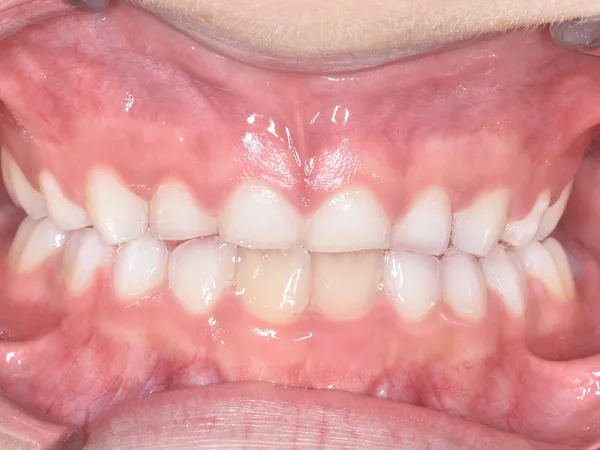
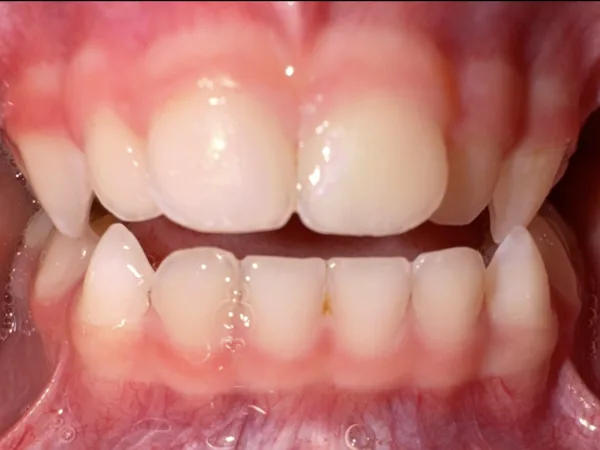
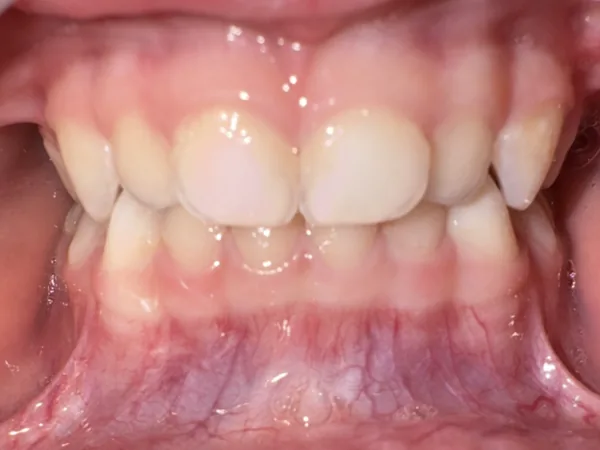
The child's teeth before treatment, with a deep bite and crowded caninesBefore
The child's teeth after treatment, better alignedAfter
Kids' guided jaw growthA deep bite and blocked canines before, better aligned after.
Every person is different. Results will vary.See all before and afters →
FAQ

Questions about the research, answered.

Still have a question? Call 719-247-3109.

Why do you share research on your website?

We want you to see the evidence behind our care, not just our word for it. Each study links to the original journal or medical society. The summaries are short and plain, so read the full study or ask us at your visit if you want the details. Our doctors review this page.

Are any of these studies paid for by companies?

Some are. A few studies of Vivos appliances were funded by Vivos Therapeutics or written by people with ties to the company, and we label those. Company-funded research can still be useful, but it's best read alongside independent studies and guidelines, which we include too.

Does this research mean treatment will work for me?

No study can promise how you'll respond. Studies show averages across groups, and every person is different, so results vary. At your consult, we look at your airway, jaw, and sleep test results, then explain which options fit you and what change is realistic.

Where can I read more about sleep apnea treatment?

Start with our pages on sleep apnea treatment, CPAP alternatives, and kids' airway care. Our blog covers common questions in plain language. You can also see before and after results from our patients, or bring your questions to your consult.

Start with one visit

Questions about the research?

Book a consult, and we'll explain what it means for you.

Book a Consult or call 719-247-3109
Call 719-247-3109
Call NowBook a Consult