Sleep Apnea Treatment in Colorado Springs
Sleep deeply again,without the mask.
We identify what’s blocking your airway and treat it with custom oral appliances and non-surgical care.
Do you have sleep apnea symptoms?
Tap any that sound like you.
0 of 8 signs
Tap the signs that fit you.
Book a ConsultNot diagnosed yet? We can help you take a sleep test at home.
This checklist isn't a diagnosis. A sleep test is the only way to know for sure.
Sleep apnea: your airway closes at night.
In obstructive sleep apnea (OSA), your tongue and throat relax and block your airway while you sleep.
Your breathing stops again and again, so you never reach deep sleep. Sleep dentists treat the jaw and airway, where the blockage often starts.
- May be linked to high blood pressure, heart disease, and stroke
- Raises the risk of drowsy driving
- Wears on your mood, focus, and memory
Source: American Academy of Sleep Medicine, sleepeducation.org

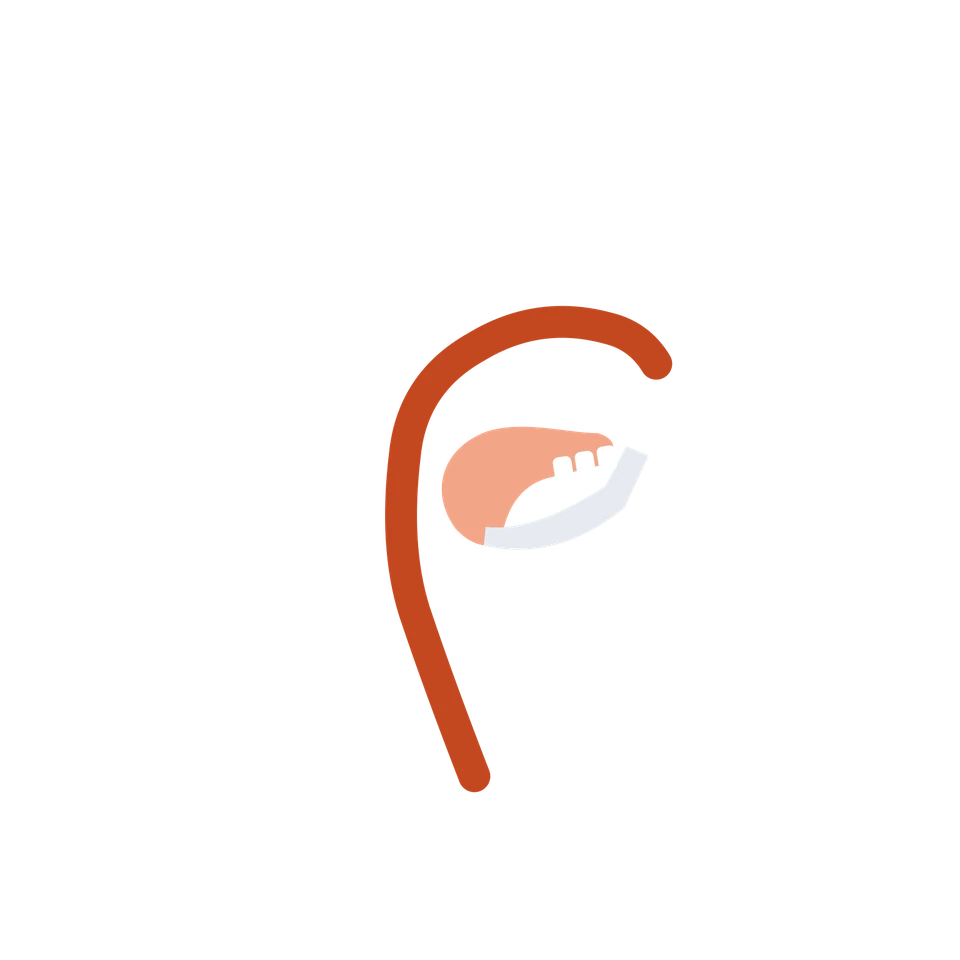
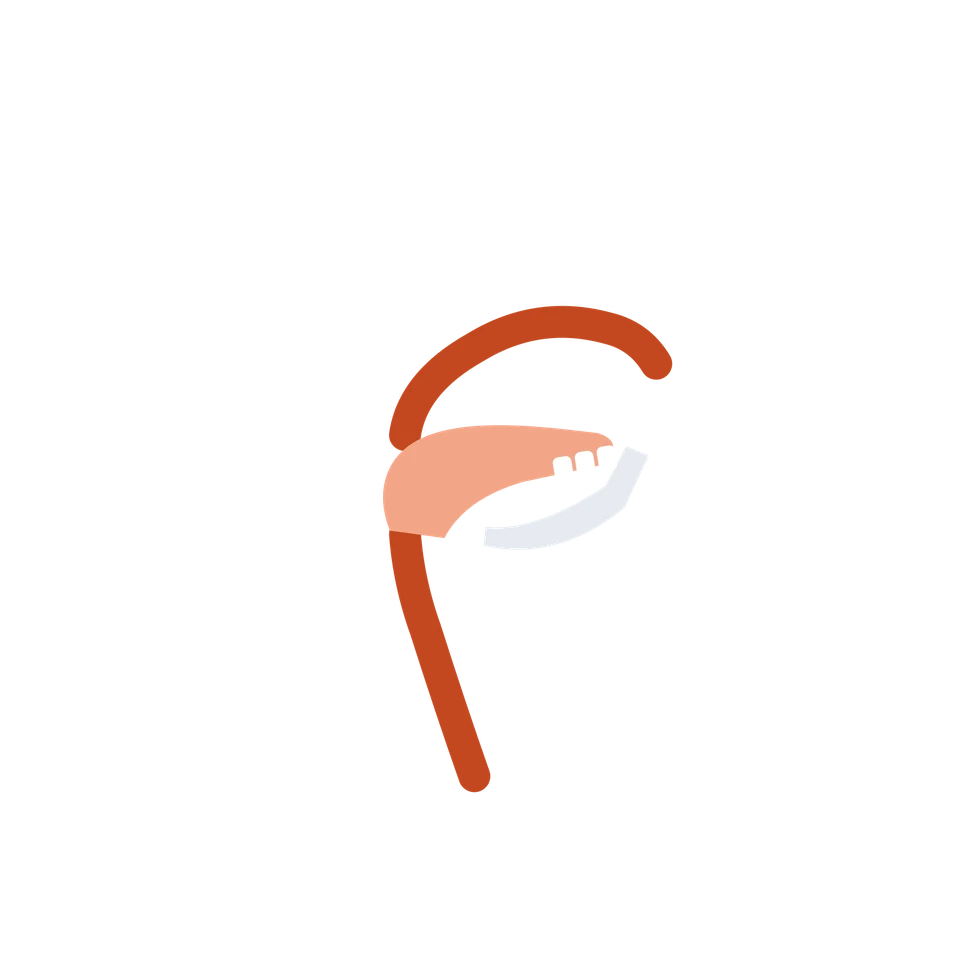
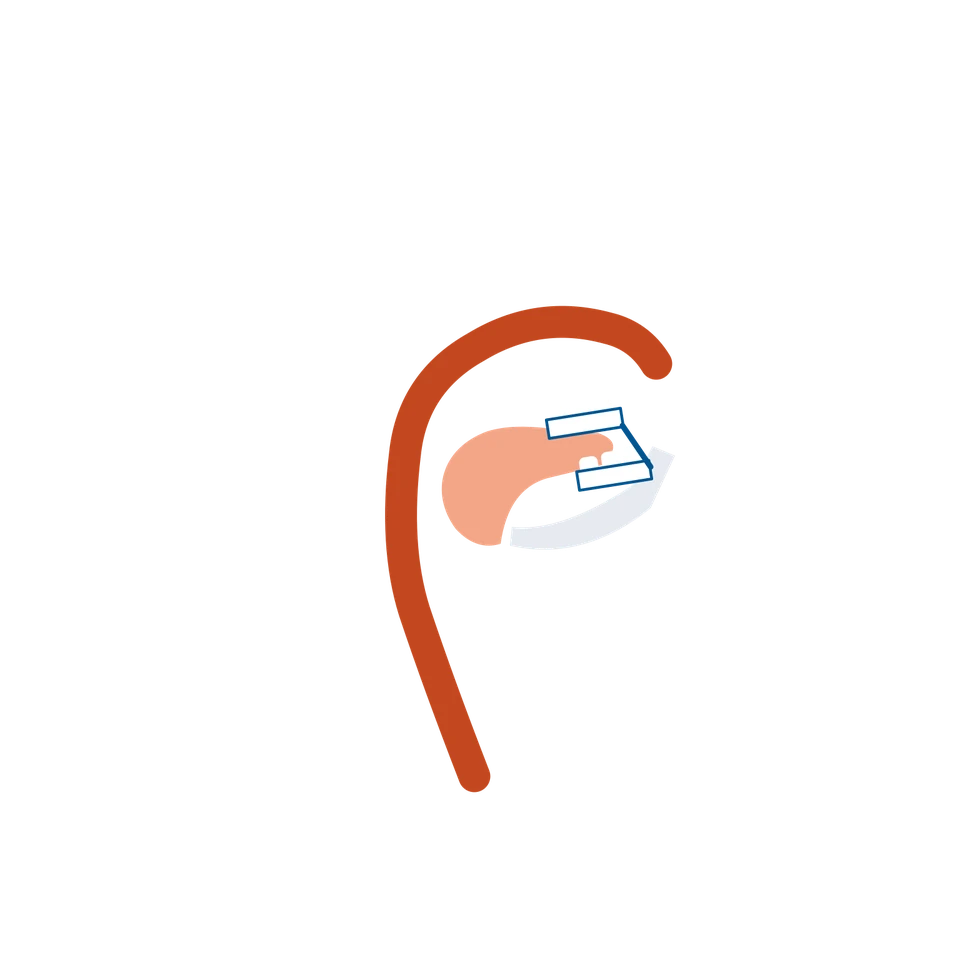


Awake: your airway stays open and air flows freely.Asleep with OSA: your tongue can fall back and narrow or block the air.With an oral appliance: your jaw is held forward, which helps keep the airway open.
Sleep apnea treatment options we offer.
Every airway is different. We’ll help you choose what fits.









Real airway changes from real patients.
Adult airway cases from our office, shared with permission. A narrow jaw can crowd the airway.
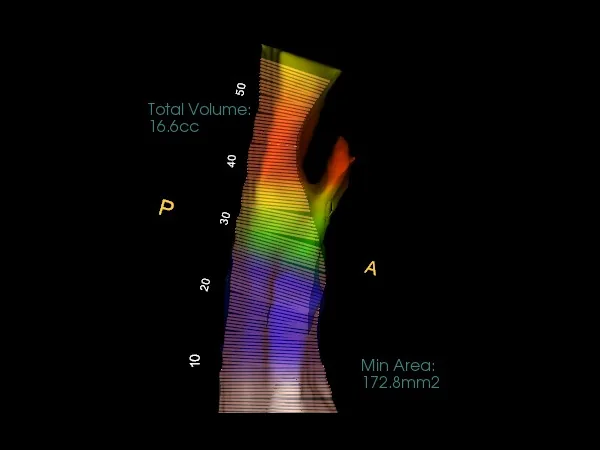 Before
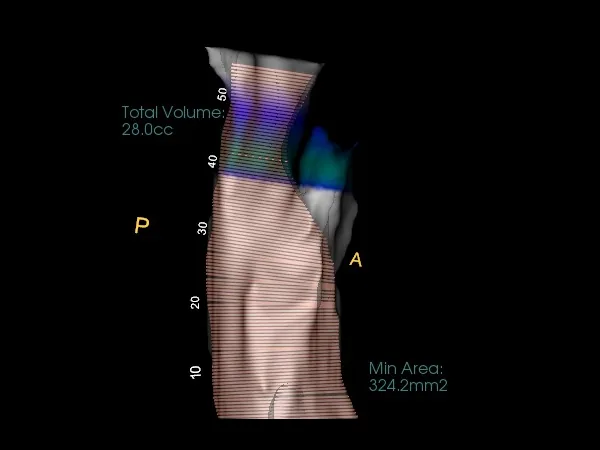 Mid-treatment
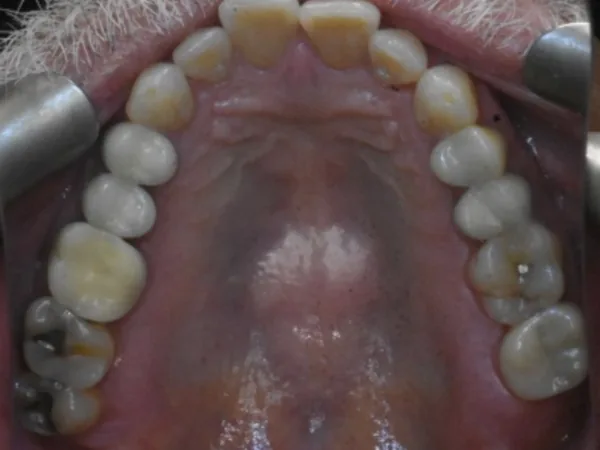 Before
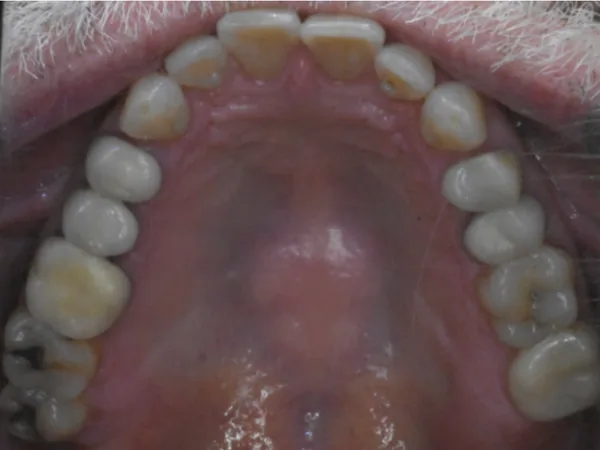 After
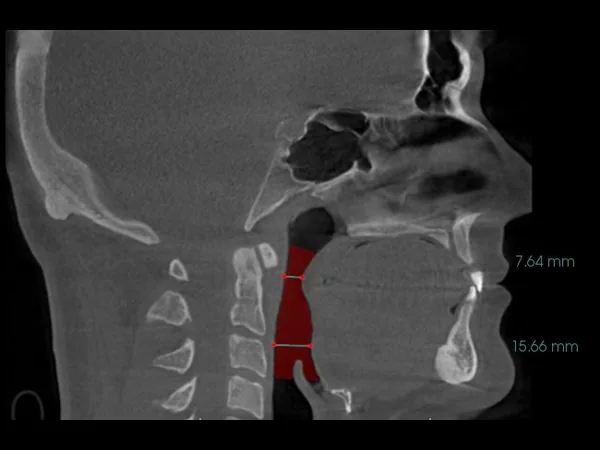 Before
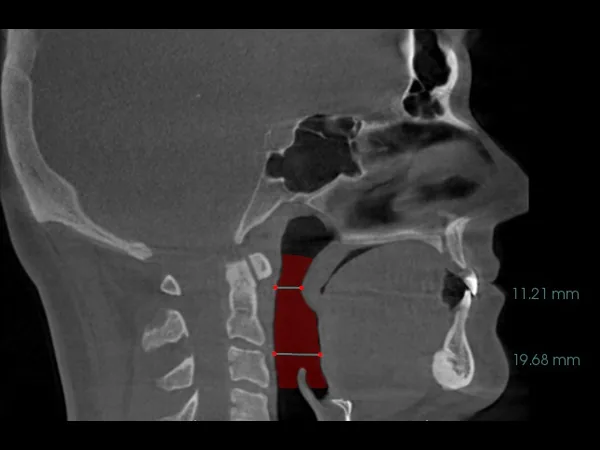 Mid-treatment
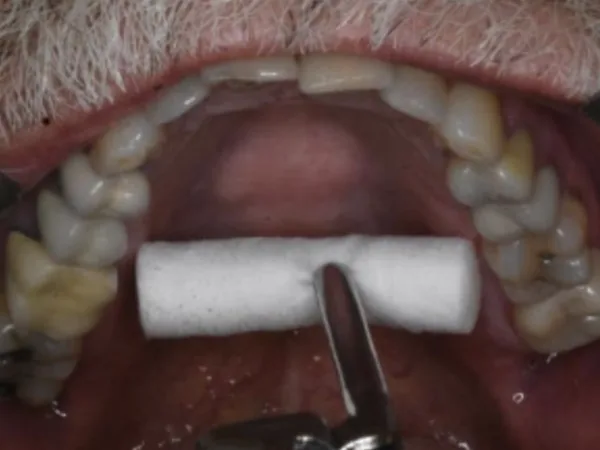 Before
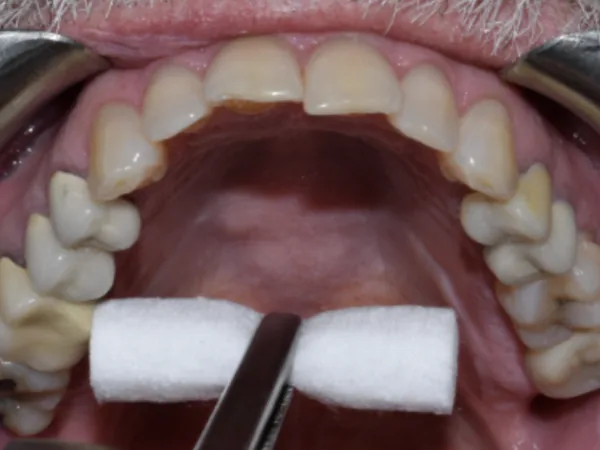 After
…my daytime exhaustion and attention issues have virtually disappeared.
Every person is different. Read more reviews →
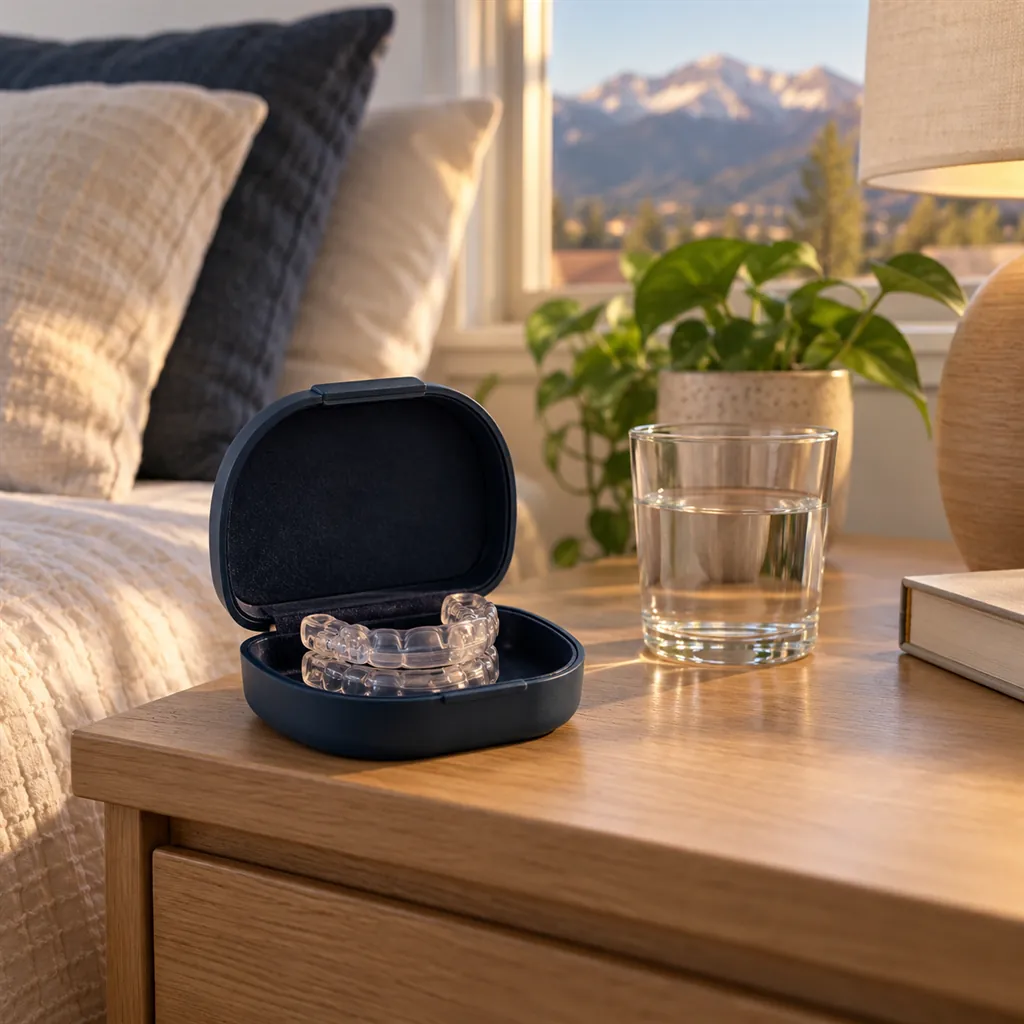
Oral appliances: a mouthpiece, not a mask.
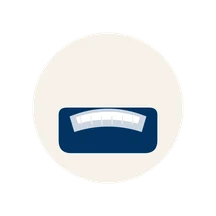
A dental appliance, or mandibular advancement device, fits like a sports mouthguard and holds your jaw forward, keeping your airway open.
- Custom made to fit your teeth and bite
- No mask, no hose, no machine noise
- Fits in a pocket for travel and camping
Is an oral appliance right for you?
We’ll tell you honestly if it fits, or if another path is better.
Often a good fit if you
- Have mild to moderate obstructive sleep apnea
- Can't use CPAP, or stopped using it
- Snore loudly and want a quieter night
Other paths we may discuss
- CPAP, alone or with other care, for more severe sleep apnea
- Side sleeping, less alcohol at night, and weight loss
- Referral to a sleep physician or surgeon, such as for Inspire
Oral appliances treat obstructive sleep apnea, not central sleep apnea. Compare Inspire and oral appliances →
Source: AASM and AADSM clinical practice guideline for oral appliance therapy (2015)
How sleep apnea treatment works.
Four simple steps, and we guide you through each one.
 1
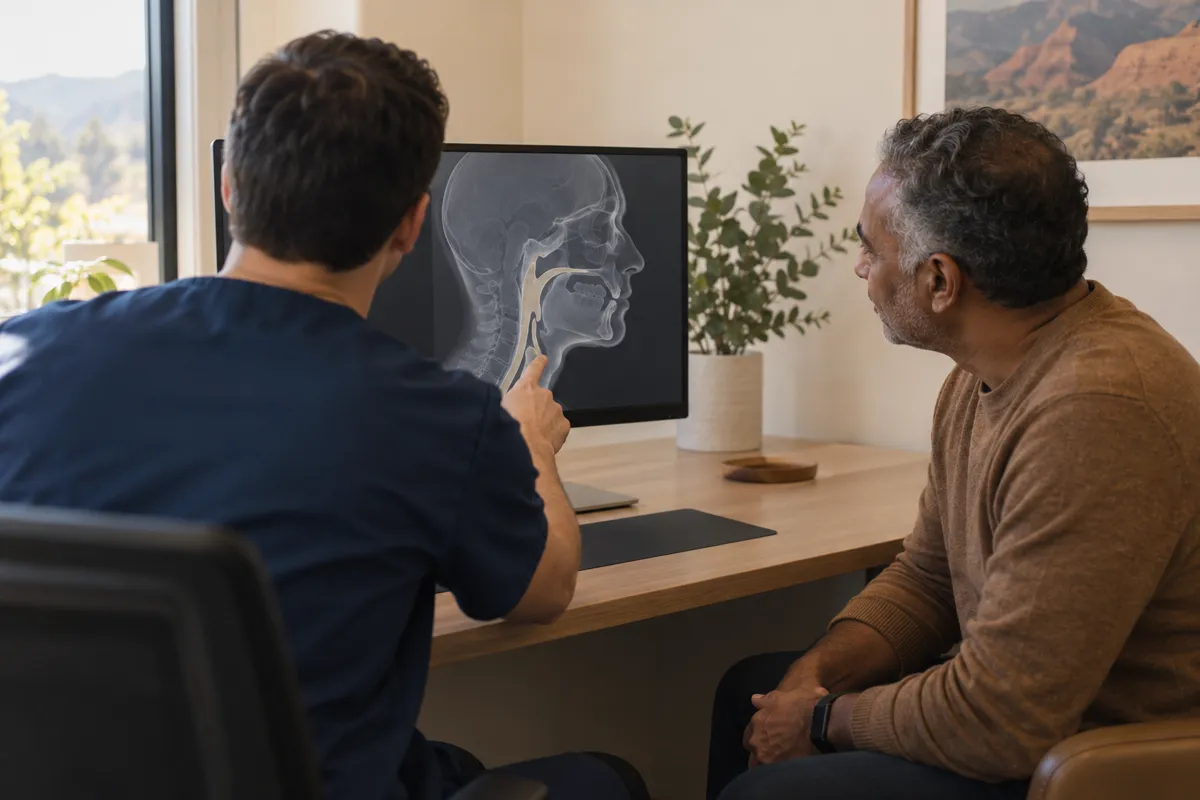
Consult and airway exam
We listen, check your airway, jaw, and bite, and answer every question.
 2
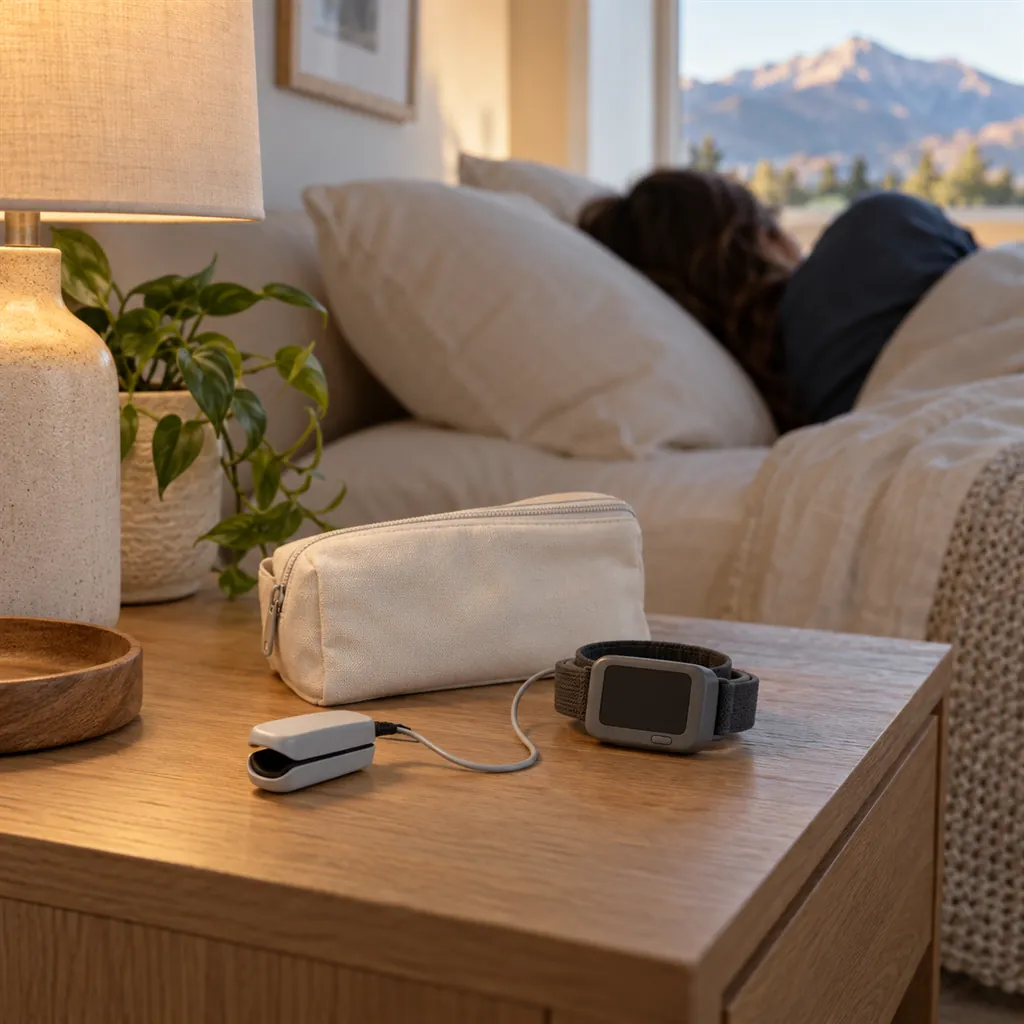
Sleep test at home
No sleep study yet? Take a simple test in your own bed so we know what's going on.
 3
Your custom plan
We explain your options and costs before anything starts.
 4
Fit and follow-up
We fit and fine-tune your treatment, then check your progress with a follow-up sleep test.
It's crazy how a messed up jaw is connected to sleep apnea and the body being out of sync.
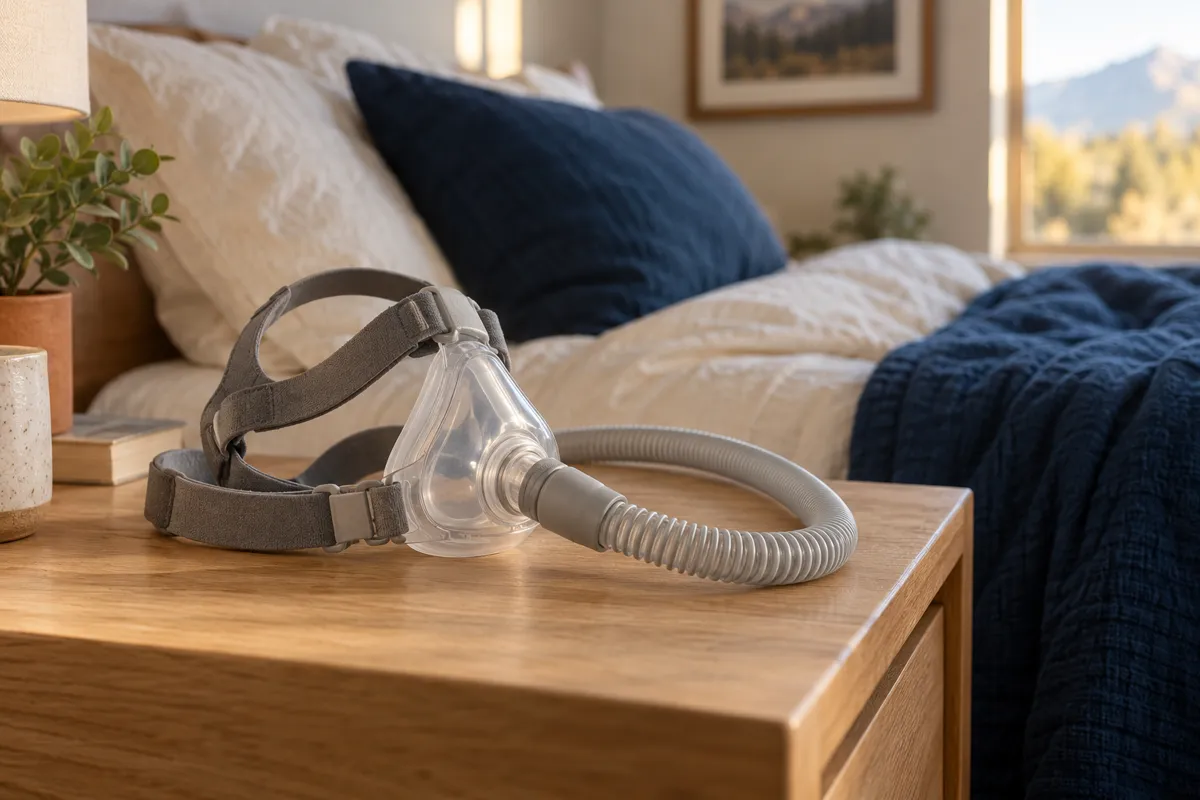
Can't use CPAP? Try an oral appliance.
Mask, noise, or dry mouth? We’ll help you find a treatment you can stick with.
- Bring your sleep study, and we'll review it with you
- Non-surgical options, explained in plain words
- Military or veteran? See our military page
“I have recommended them to several of my friends who have problems with sleep apnea and hate the C-Pap machine.”
Gary F. · Patient of Dr. Erlander
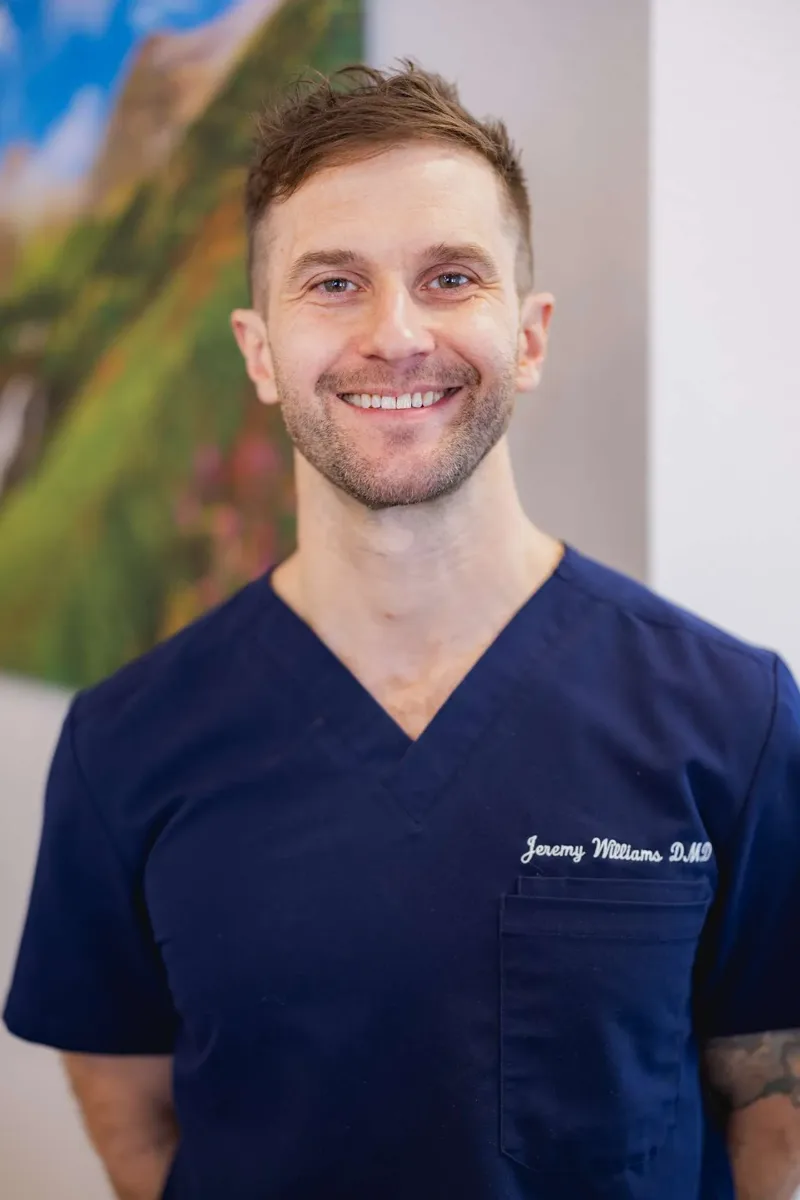
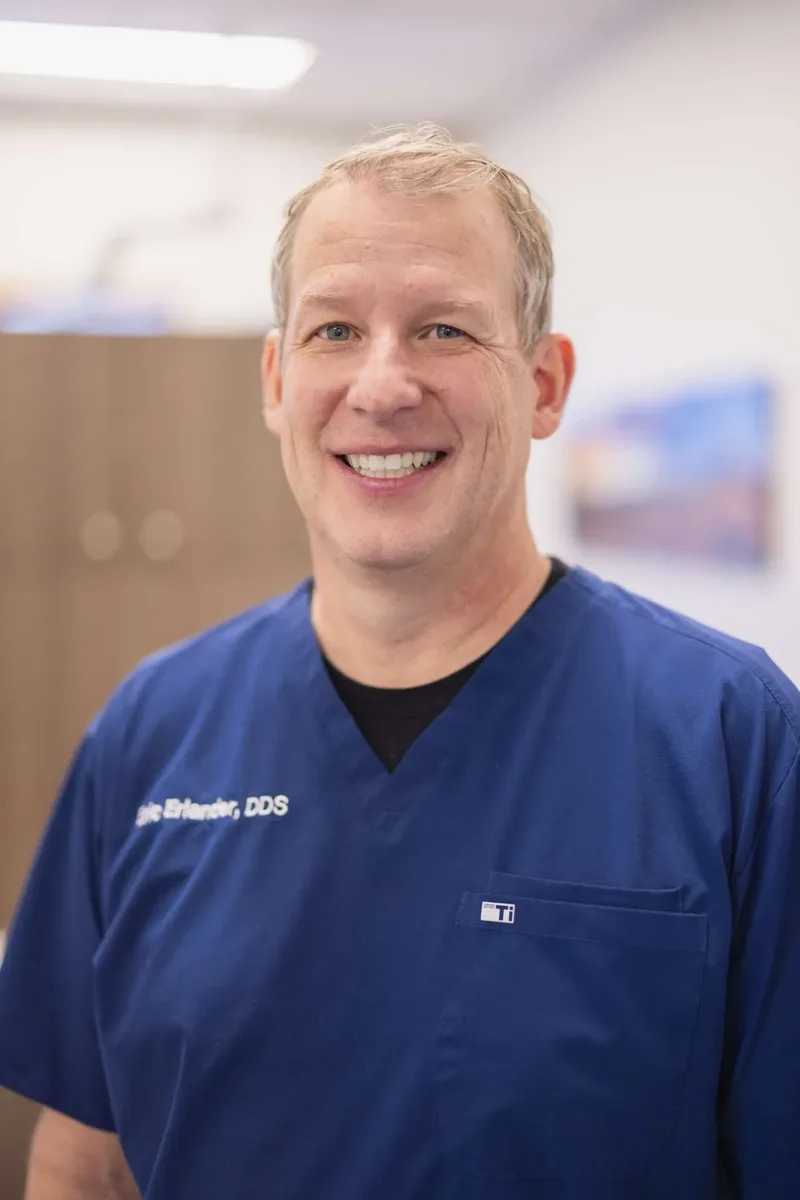
Meet your Colorado Springs sleep dentists.
Two credentialed sleep dentists, with 25 years combined.






How will I know whether my treatment is working?
Ask how your treatment will be fitted or started, who will monitor side effects, and when its effect will be checked. Those answers can differ by treatment:
- PAP: Your sleep team can review use and device data and help address comfort or mask problems.
- Custom oral appliance: A qualified dentist fits and adjusts it and checks for jaw discomfort or bite changes. The sleep clinician can arrange follow-up testing to assess effectiveness.
- Other options: Ask which diagnosis and findings make the option appropriate, who manages it, and what outcome the team will measure.
At follow-up, share how you are sleeping, how consistently you can use the treatment, and any new symptoms. Ask when it is appropriate to reassess your current prescription.
AASM/AADSM guideline on oral appliances · AASM guidance on follow-up sleep testing
Does an oral appliance work for sleep apnea?
For many people, yes. Sleep medicine guidelines support oral appliances for mild to moderate obstructive sleep apnea, and for people who can't use CPAP. Every person is different, so results vary. That's why we check how you're doing with a follow-up sleep test after your appliance is adjusted.
Can a dentist treat sleep apnea?
Yes. Dentists trained in dental sleep medicine make and fit oral appliances for obstructive sleep apnea. A sleep test confirms the diagnosis first, and we can help you get one. Both of our doctors hold dental sleep medicine credentials (AADSM and ABDSM), so you're in experienced, local hands.
Does insurance cover an oral appliance for sleep apnea?
Coverage depends on your plan, and every plan is different. Bring your insurance card to your consult. We'll look at your plan with you, explain your options, and walk you through next steps before treatment starts. See Insurance & Billing to learn more.
How many visits does treatment take?
It depends on your plan. Most people start with a consult and airway exam, then a sleep test if needed. After that comes your fitting and a few follow-up visits to adjust your treatment. We'll walk you through each step and visit at your consult, before anything starts.
Do I need a sleep study before treatment?
Yes. A sleep test is the only way to know if you have sleep apnea and how severe it is. If you haven't had one, we can help you take a simple sleep test at home, in your own bed. If you already have a sleep study, bring it to your consult.
What is the best treatment for sleep apnea?
The best treatment depends on your airway, how severe your sleep apnea is, and what you can stick with each night. CPAP is common, but many people can't sleep with it. For mild to moderate sleep apnea, or when CPAP isn't working, a custom oral appliance, a dental appliance made to fit you, is a well-studied option. We walk you through every choice.
Can sleep apnea be treated without CPAP?
Often, yes. Options include a custom oral appliance, airway and jaw expansion, myofunctional therapy, and nasal breathing care. Some people do best with a mix of treatments. The right plan depends on your sleep test, your airway, and your goals. We explain each option so you can choose with confidence.
What is a mandibular advancement device?
A mandibular advancement device (MAD), also called a mandibular advancement splint, is a custom mouthpiece you wear while you sleep. It holds your lower jaw slightly forward. That keeps your tongue and throat tissue from blocking your airway. It is the most common type of oral appliance for sleep apnea, and we fit and adjust each one.
What are the side effects of a mandibular advancement device?
Some people have a sore jaw, tender teeth, or extra saliva for the first few weeks. These usually ease as you adjust. Over time, an appliance can shift your bite a little, so we check your teeth and jaw at follow-up visits. Every person is different, and we adjust your device if anything feels off.
Is a sleep apnea mouth guard the same as a store-bought snoring guard?
No. Store-bought snoring guards are one-size-fits-all and can't be fine-tuned. A sleep apnea appliance is custom made for your teeth and bite, then adjusted step by step for comfort and better breathing. It's a medical device that is fitted and checked by a trained sleep dentist. Learn more in our guide to sleep apnea mouth guards.
Does sleeping on your side help sleep apnea?
It can help some people. Lying on your back lets your tongue and jaw fall back toward your throat, and side sleeping eases that. Stomach sleeping can have a similar effect. But changing positions alone usually isn't enough to treat sleep apnea. It works best alongside real treatment.
Does sleeping elevated help sleep apnea?
Raising your head and upper body may ease mild symptoms for some people, because gravity pulls less on your airway. Sleeping upright or propped up isn't a treatment on its own, though. If you still snore, gasp, or wake up tired, it's worth getting checked.
Is untreated sleep apnea dangerous?
It can be. Untreated sleep apnea may be linked to high blood pressure, heart disease, stroke, and drowsy driving. It can also wear on your mood, memory, and energy. The good news is that it can be treated. Getting checked is the first step toward sleeping and feeling better.
Where can I get sleep apnea treatment in Colorado Springs?
Our office is in Colorado Springs, and we welcome patients from Monument & Palmer Lake, Fountain, Falcon & Peyton, Black Forest, Woodland Park, Castle Rock, Pueblo, and Cañon City. Both of our doctors hold dental sleep medicine credentials (AADSM and ABDSM). We start with a consult and airway exam, then help you get a sleep test if you need one.
Evidence & further reading
Professional guidance and research related to this topic:
Wake up rested again.
We'll look for the cause and explain your options.