Home Sleep Test in Colorado Springs
Sleep study at home, in your bed.
A simple home sleep test helps find out if you have sleep apnea, without a night in a lab.
What is a home sleep test?
A home sleep test tracks your breathing, oxygen, and heart rate while you sleep in your own bed.
- Simple sensors for breathing and oxygen
- No overnight stay in a sleep lab
- Results guide your next step
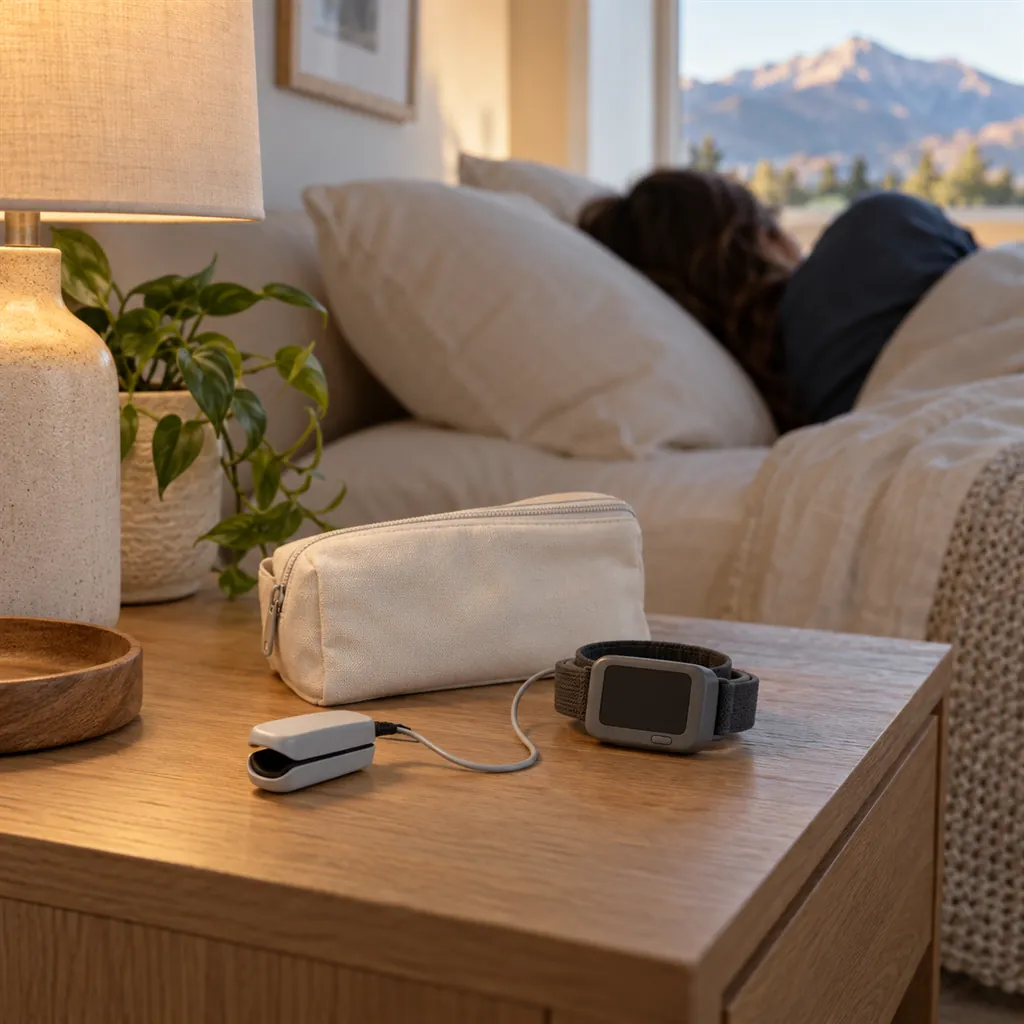
Home sleep study or sleep lab?
For many adults who likely have sleep apnea, a home sleep study is a simple first step.
Source: AASM clinical practice guideline for diagnostic testing for adult obstructive sleep apnea (2017)
How a home sleep test works.
Four simple steps, from your first visit to your results.
 1
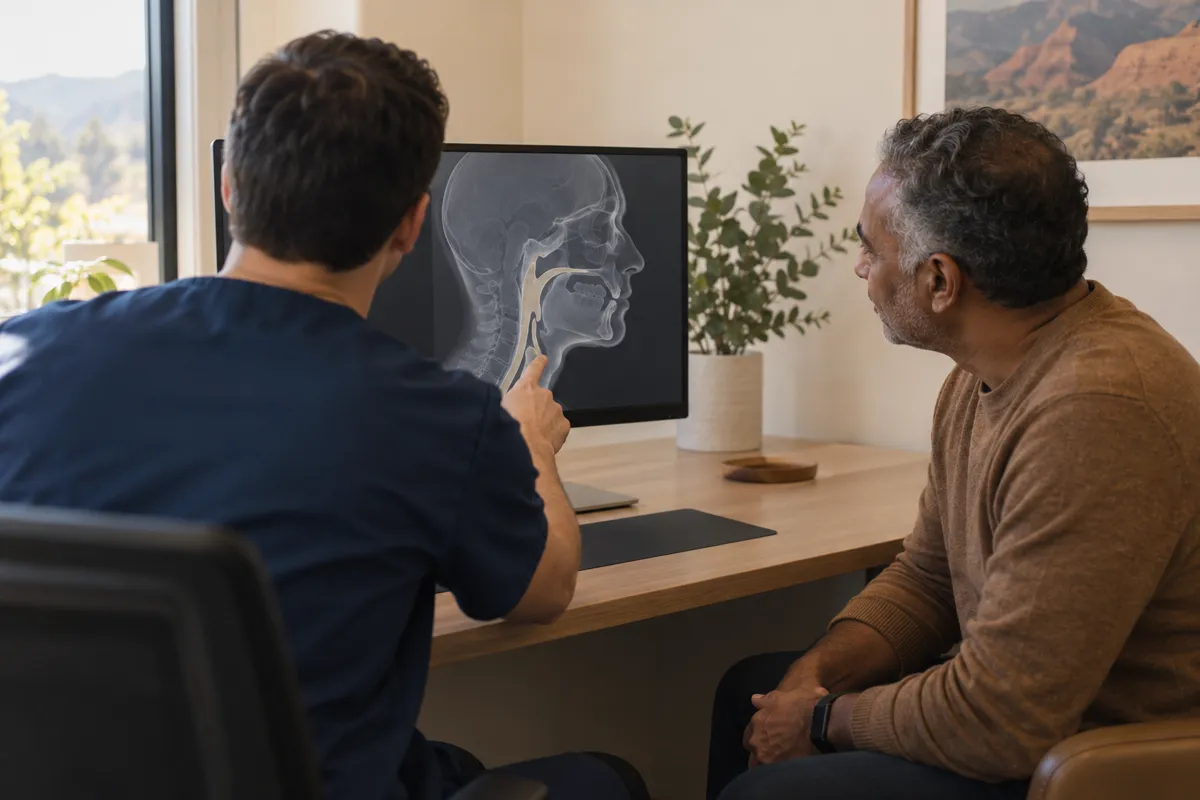
Consult and airway exam
We listen, check your airway, and see if a home test fits you.
 2
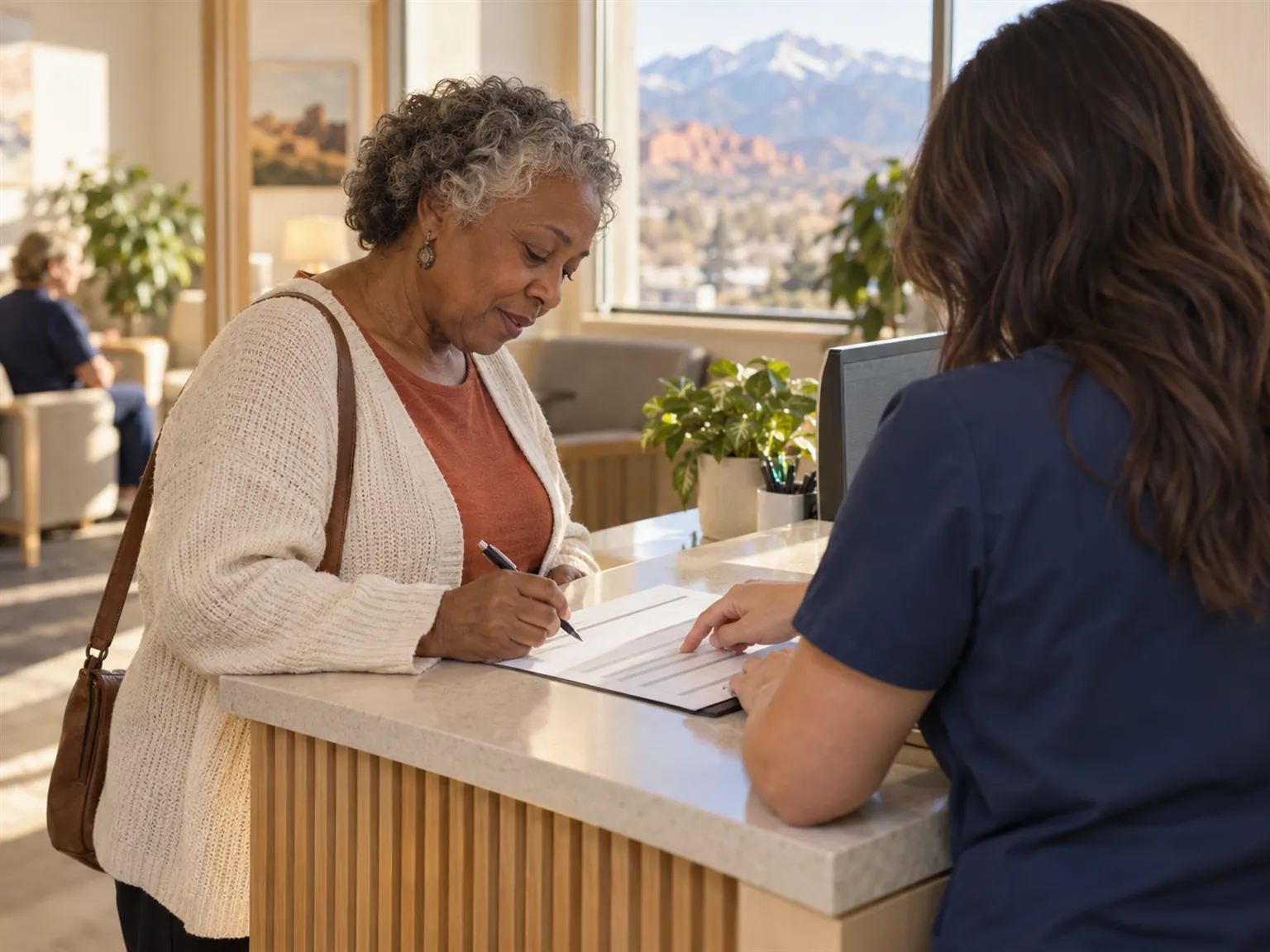
Get set up for your test
We help you get your test and explain how it works.
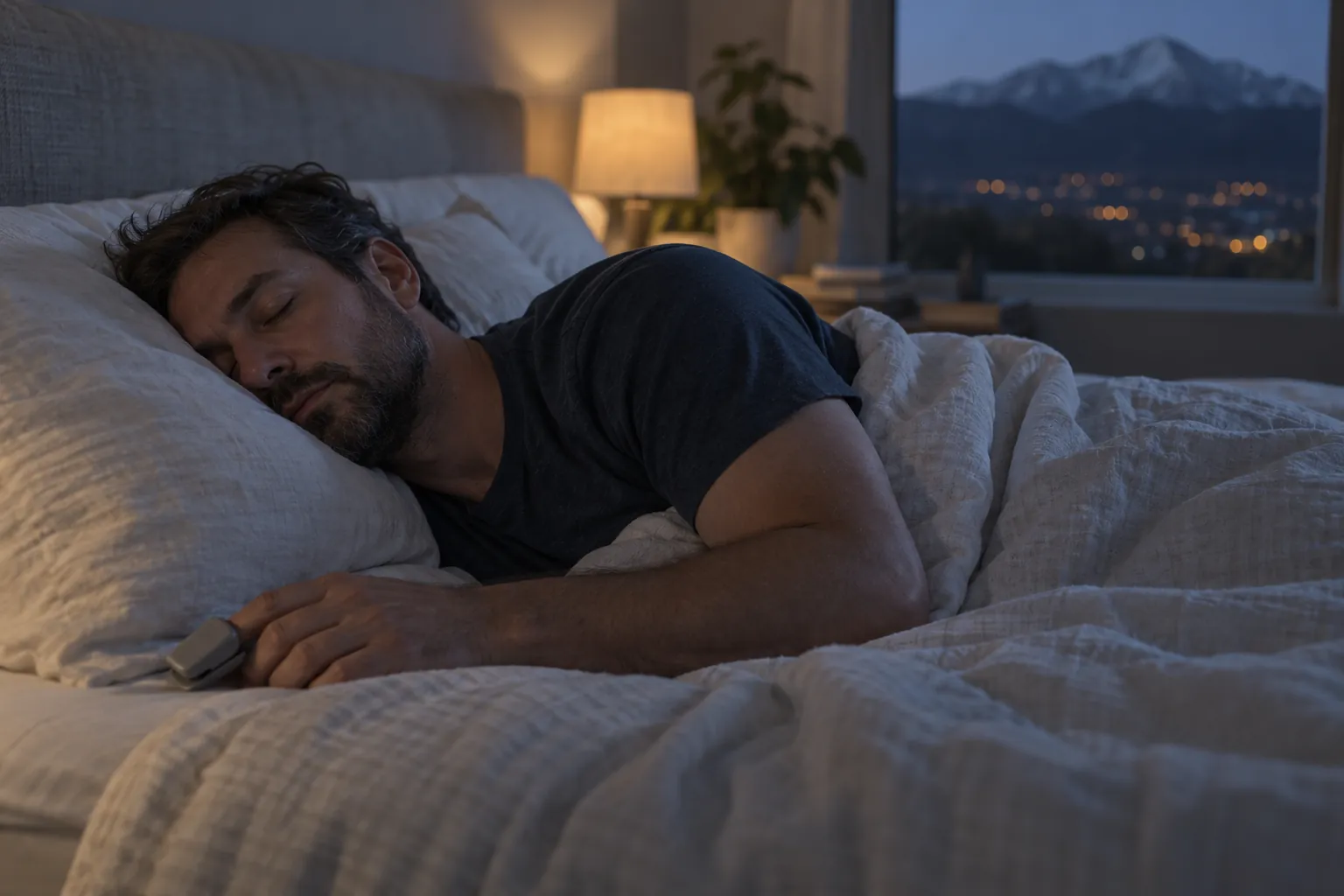 3
Sleep as you normally do
Wear the device for the night in your own bed.
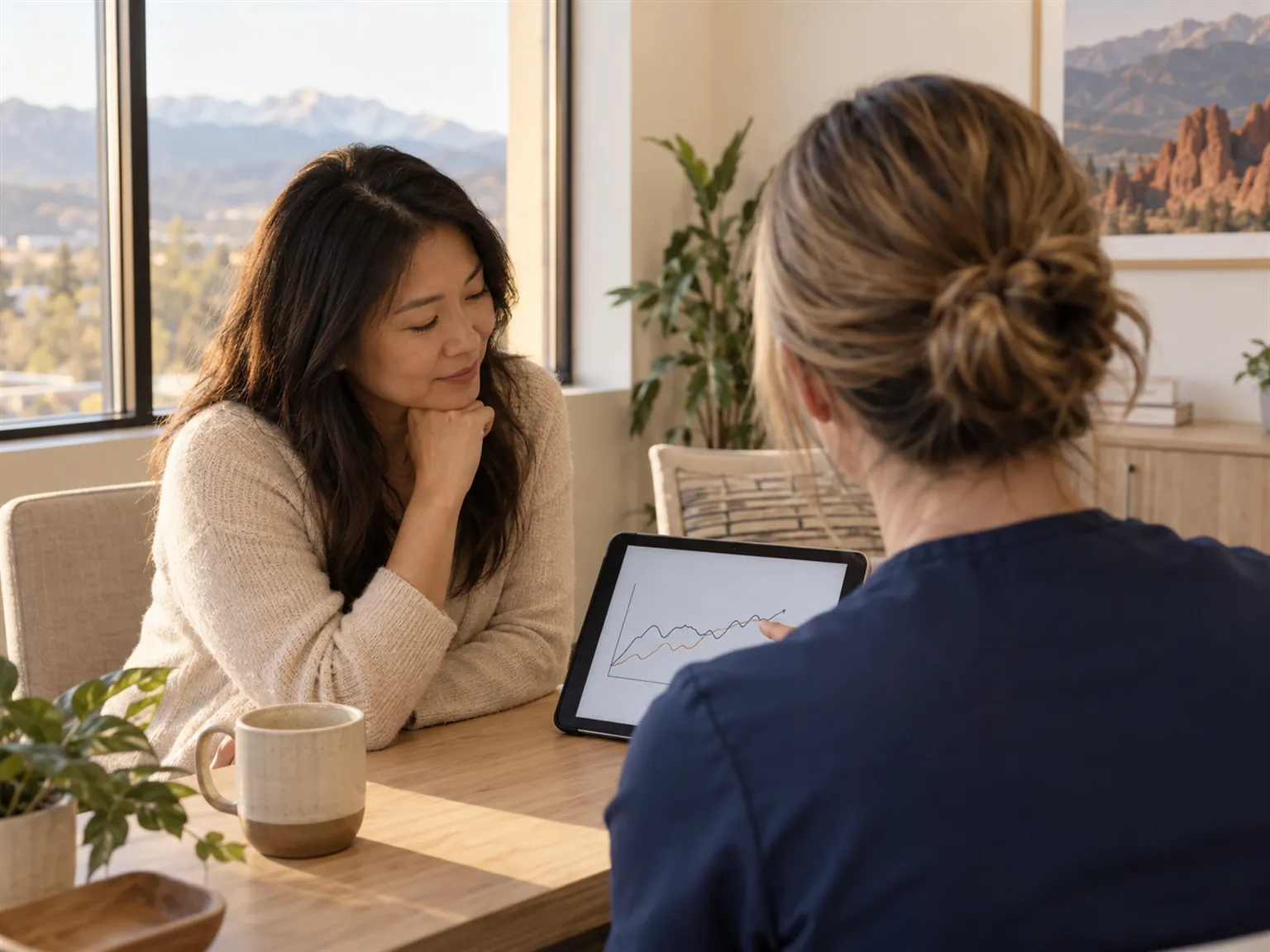 4
Results and next steps
We explain your results in plain words and talk through options.
He walked me through a plan of action/options and explained his reasoning behind it.
Every person is different. Read patient reviews →
Is a home test right for you?
We'll tell you honestly if a home test fits, or if a sleep lab is better.
Often a good fit if you
- Snore loudly, gasp, or stop breathing at night
- Wake up tired even after a full night
- Want answers before choosing a CPAP alternative
When a sleep lab may be better
- Other sleep problems, like insomnia or narcolepsy
- Serious heart or lung disease
- A home test that comes back unclear
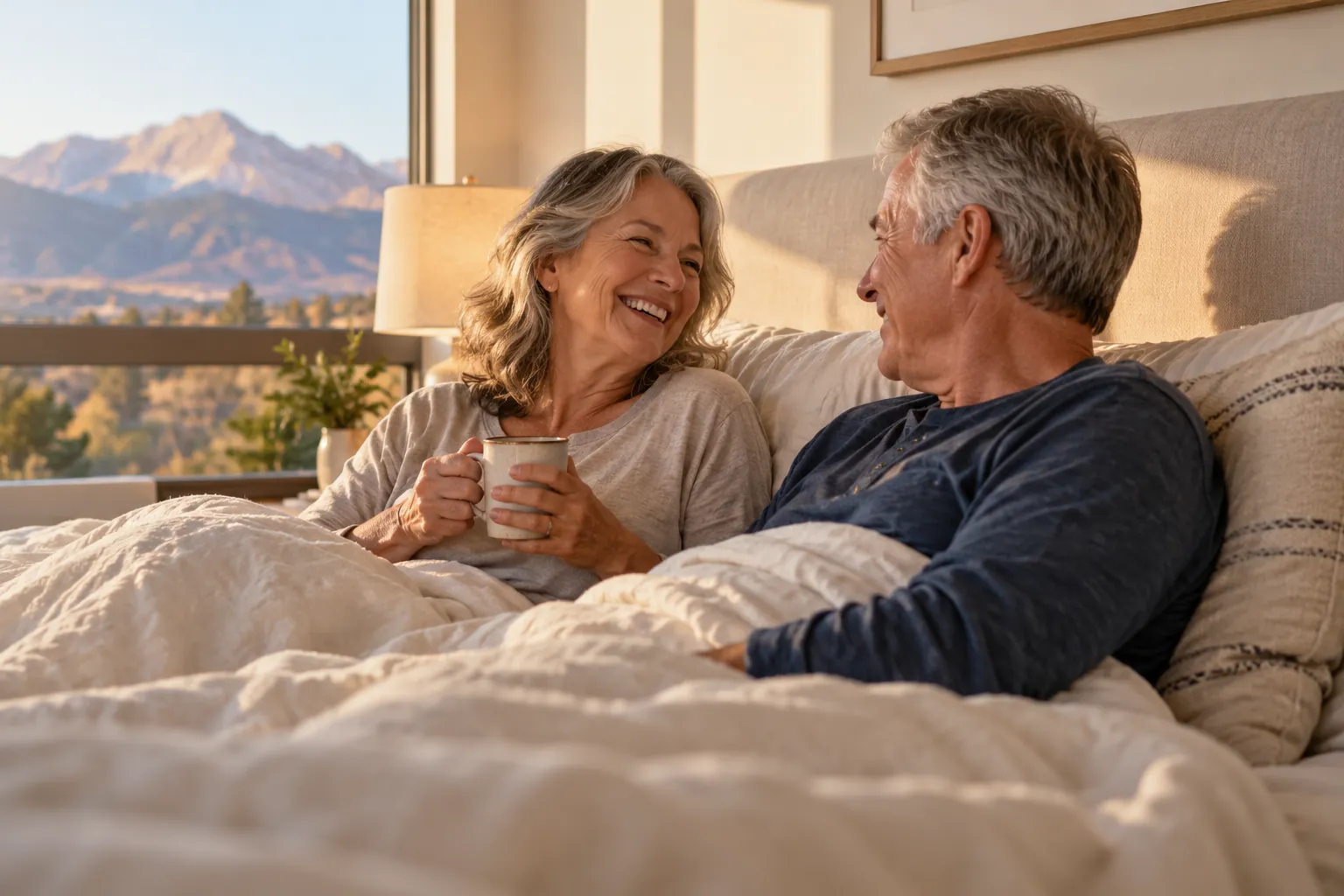
What happens after your results?
Your test is the first step. Our sleep dentists help you find a non-surgical option that fits.
- Your results explained in plain words
- Options like a custom oral appliance
- A plan built around your results
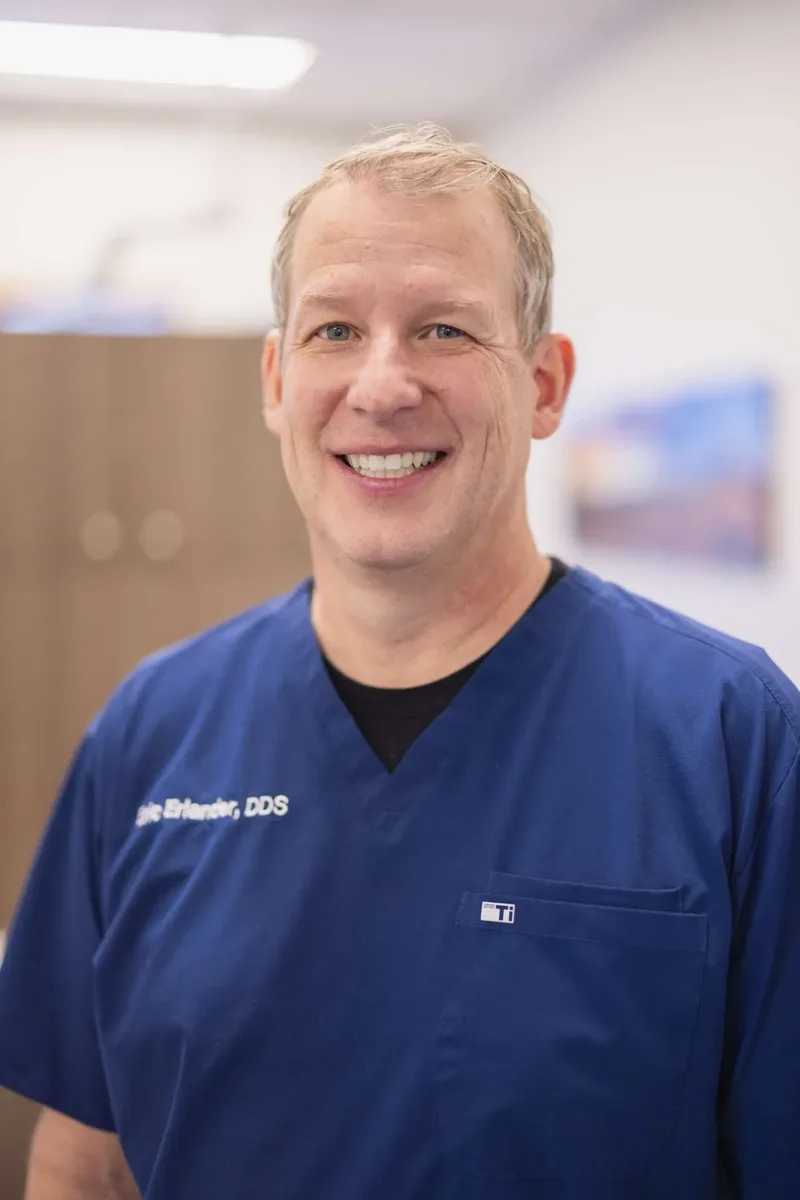
Meet your Colorado Springs sleep dentists.
Two credentialed sleep dentists with 25 years of combined experience. Both offer the same treatments; Dr. Williams also does tongue tie releases.







…they use only the best state-of-the-art Equipment. They have your best interest in mind at all times…
Every person is different. Read patient reviews →
How to read your home sleep test results
Bring a copy of your report to your results visit. Here are four lines to review with the clinician who interpreted your study.
Example home sleep apnea test report
Fictional adult test results
- Respiratory event index (REI)
- 12 events per hourThe average number of scored breathing events per hour of monitoring. Most home tests do not directly measure time asleep, so REI can underestimate how often events occur during sleep.
- Lowest recorded oxygen saturation
- 87%The lowest oxygen reading during the recording. Ask how long oxygen stayed low and whether the sensor signal was reliable.
- Usable monitoring time
- 6 hoursThe amount of monitoring time used to calculate the breathing-event rate.
- Recording quality
- AdequateThere was enough usable data for the clinician to interpret the study.
What happens next?
If the study supports a diagnosis, discuss the findings and treatment options with your clinician. For adults being evaluated for obstructive sleep apnea, the AASM recommends an in-lab study after a negative, inconclusive, or technically inadequate home test.
How does a home sleep test work?
An at-home sleep study uses a small device you wear for one night in your own bed. Simple sensors track your breathing, oxygen level, and heart rate while you sleep. Afterward, the results are reviewed. We explain what they mean for you and talk through your next steps.
Does insurance cover a home sleep test?
Coverage depends on your plan, and every plan is different. Bring your insurance card to your consult. We'll look at your plan with you, explain your options, and walk you through next steps before treatment starts. See Insurance & Billing to learn more.
How much does a home sleep test cost?
The cost depends on your insurance and your plan. A home sleep test often costs less than an overnight study in a sleep lab, because there's no overnight stay. We'll go over costs with you at your consult, before anything starts. Learn more about sleep study cost.
Is a home sleep study as accurate as a lab study?
For adults who likely have moderate to severe obstructive sleep apnea, sleep medicine guidelines support home testing. A lab study at a sleep center records more signals and is better for complex sleep problems. If a home test is unclear or normal but symptoms continue, a lab study may be the next step.
Can a home sleep test diagnose sleep apnea?
Yes. A home sleep apnea test can show whether you have obstructive sleep apnea and how severe it is. The results are reviewed by a licensed physician to make the diagnosis. We then explain your results in plain words and talk through sleep apnea treatment options that fit you.
What do I wear during a home sleep test?
Wear what you normally sleep in. Most home tests use a small fingertip sensor, a soft band around your chest, and a thin tube under your nose. It may feel a little strange at first, but most people sleep well enough for a good result.
Is a home sleep test uncomfortable?
Most people find it easy. The sensors are small and light, and you sleep in your own bed instead of a lab. You can roll over and get up during the night. If the test doesn't record well, we'll talk about next steps, which may include another test.
Do I need a sleep study before sleep apnea treatment?
Yes. You need a sleep test to know if you have sleep apnea and how severe it is. That helps us choose the right treatment, such as a custom oral appliance or other CPAP alternatives. If you already have a sleep study, bring it to your consult.
What if my sleep test is normal but I still snore?
A normal result is good news, but loud snoring can still affect your sleep and your partner's. We can look at why you snore and talk about snoring treatment. If you still feel very tired, we may suggest a lab study to look for other sleep problems.
Can I do a home sleep test if I already use CPAP?
Yes. If you're thinking about a CPAP alternative, a new test can help when your old study is out of date. Keep using your CPAP until your doctor says otherwise. Bring your current sleep study to your consult, and we'll help you decide whether a new test makes sense.
Who should not take a home sleep test?
A home test may not be right if you have serious heart or lung disease, other sleep problems like insomnia or narcolepsy, or certain other health conditions. In those cases, an overnight study at a sleep clinic is often better. We'll help you figure out the right test.
Where can I get a sleep study in Colorado Springs?
Our office is in Colorado Springs, and we welcome patients from Monument & Palmer Lake, Fountain, Falcon & Peyton, Black Forest, Woodland Park, Castle Rock, Pueblo, and Cañon City. We start with a consult and airway exam, then help you do a sleep study at home if it fits.
Evidence & further reading
Professional guidance and research related to this topic:
Get answers about your sleep.
Book a consult and we'll help you find the right sleep test.