Snoring Treatment in Colorado Springs
Quiet nights start with your airway.
Snoring is often a sign your airway narrows at night. We find out why and build a plan that fits you.
Is your snoring a warning sign?
Tap any that sound like you.
0 of 8
Tap the signs that fit you.
Book a ConsultSnoring with pauses or gasps can be sleep apnea. A home sleep test can tell.
This checklist isn't a diagnosis. A sleep test is the only way to know for sure.
Why do people snore?
Snoring happens when air squeezes past relaxed tissue in your throat and makes it vibrate.
- Loose, elongated soft palate and throat tissue
- A narrow jaw or airway
- A tongue that falls back during sleep

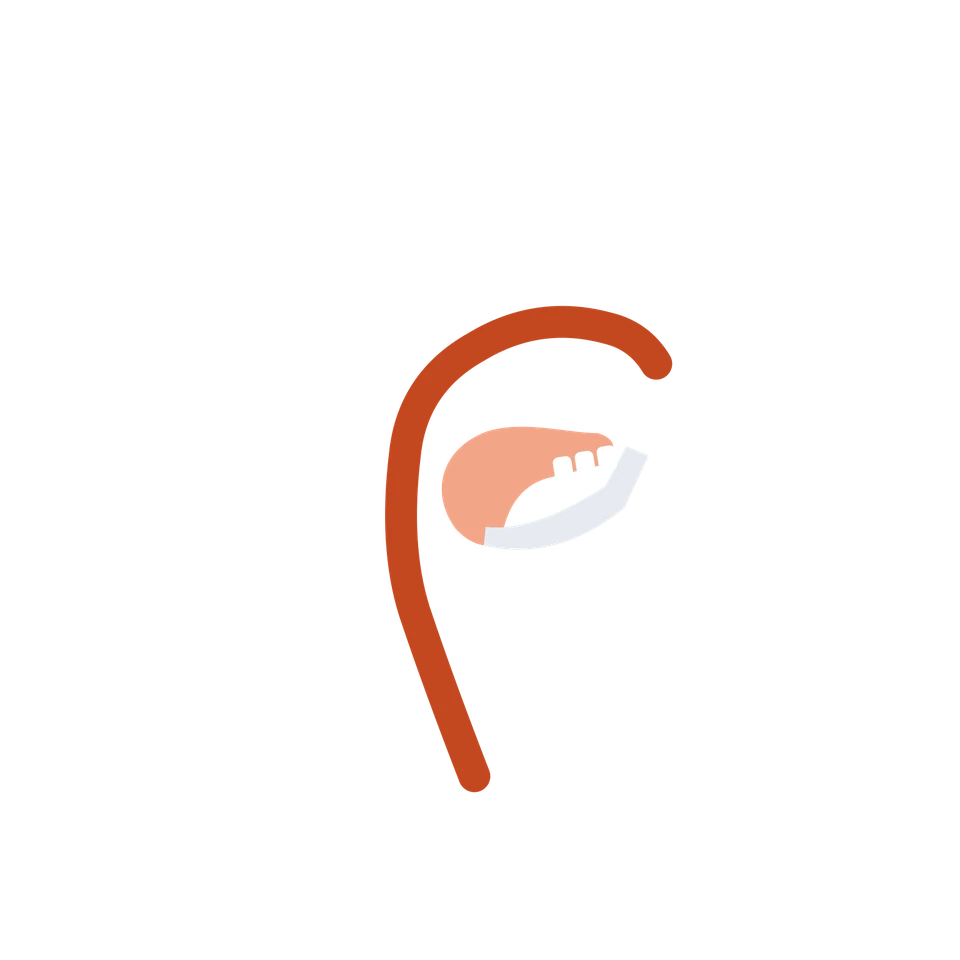
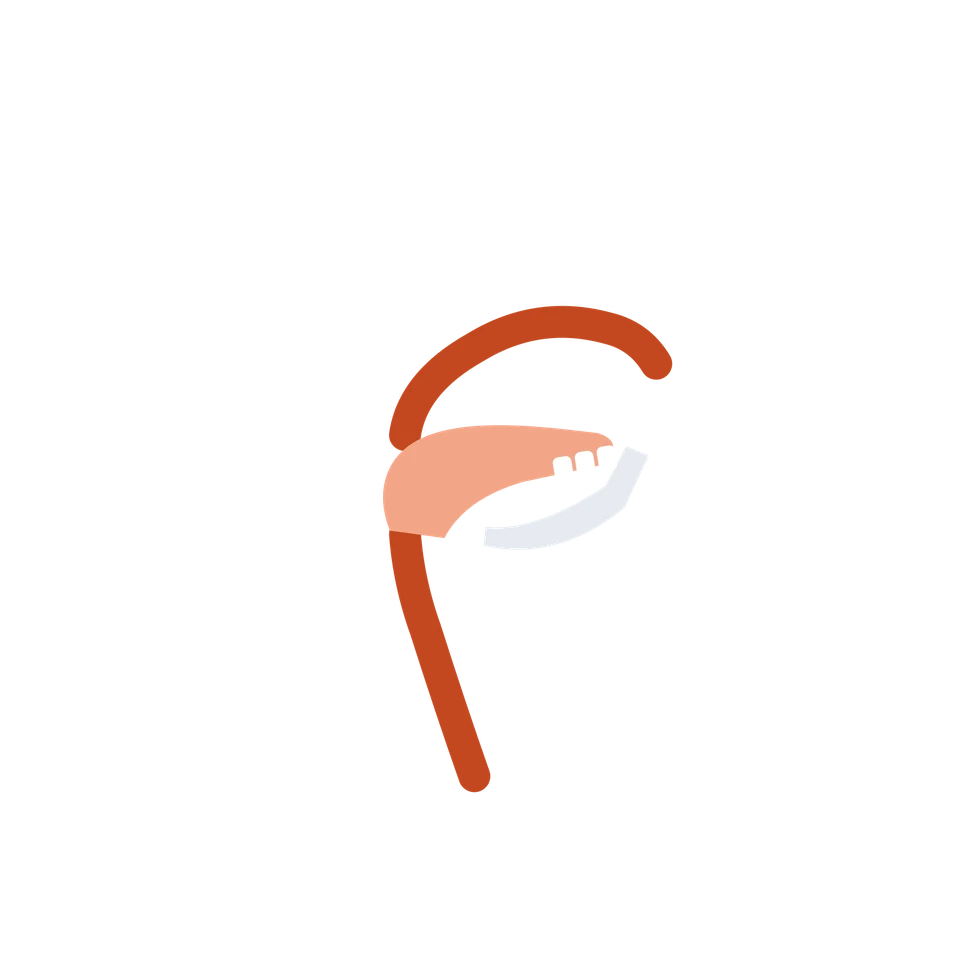
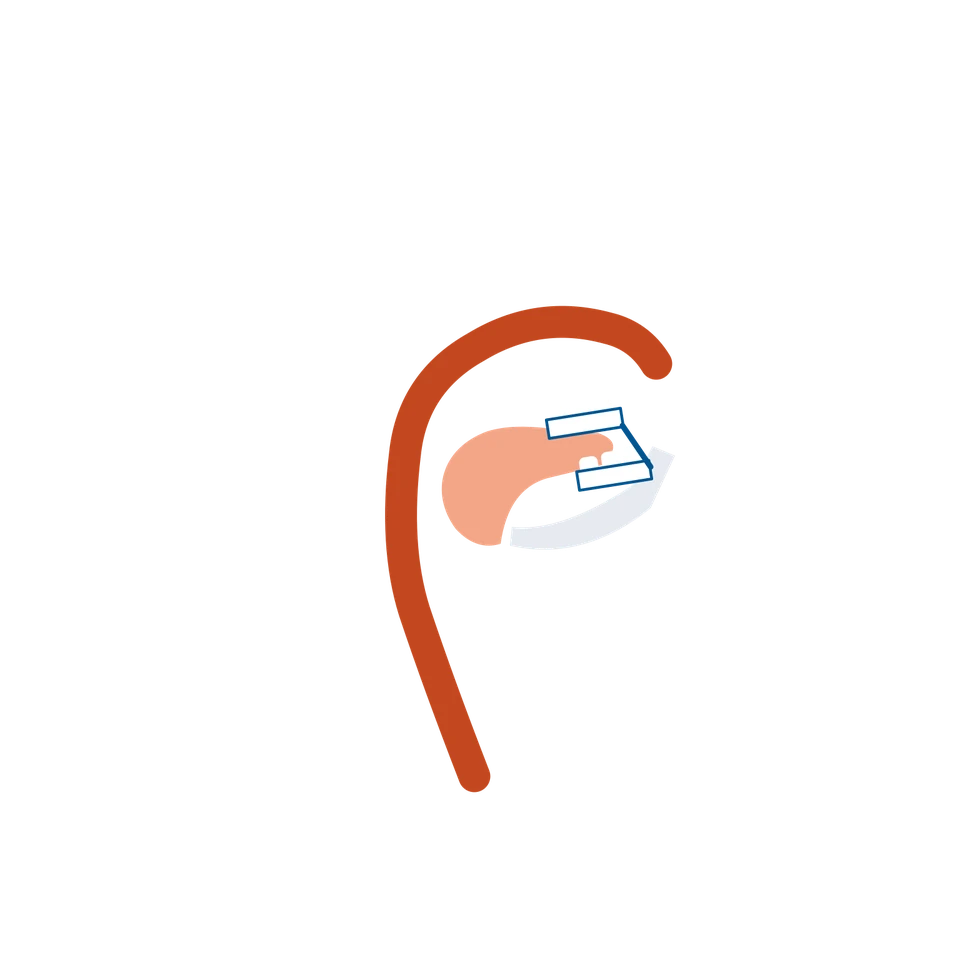


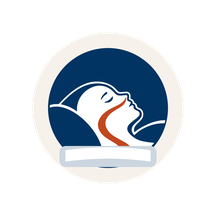
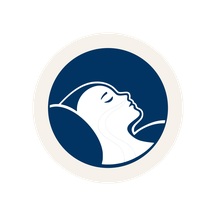
Awake: your airway stays open and air flows freely.Snoring: your airway narrows and soft tissue vibrates.With an oral appliance: your jaw is held forward, which helps keep the airway open.
Snoring treatments we offer.
Non-surgical options, matched to why you snore.









Real airway changes from real patients.
Adult airway cases from our office, shared with permission. A narrow jaw is one common cause of snoring.
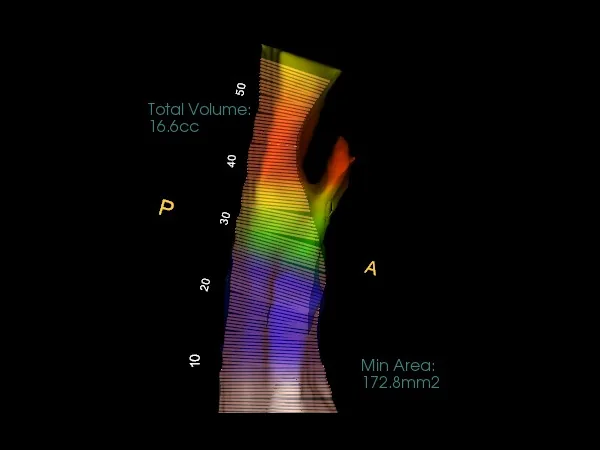 Before
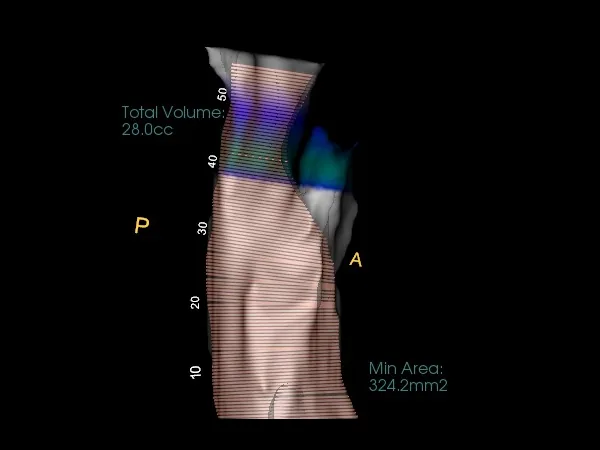 Mid-treatment
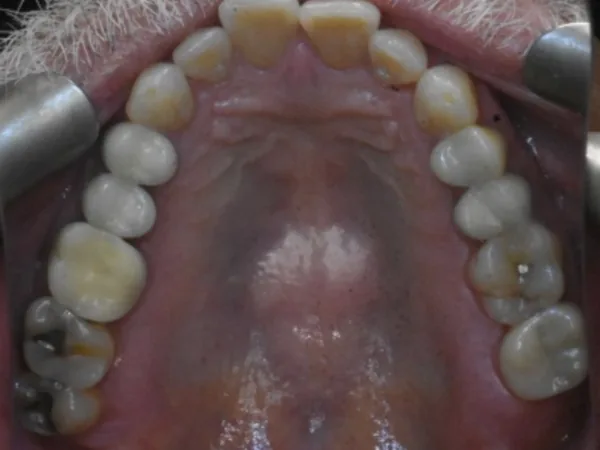 Before
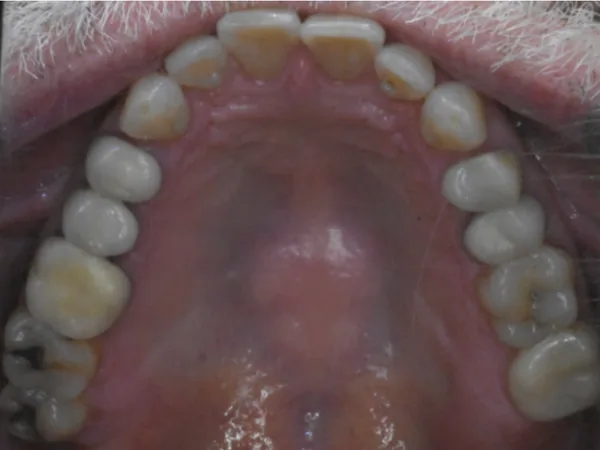 After
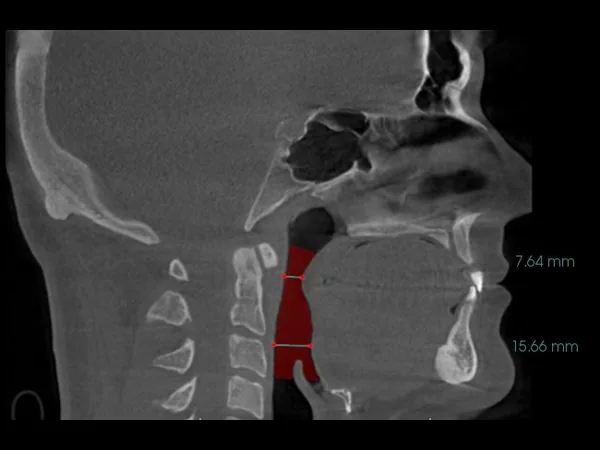 Before
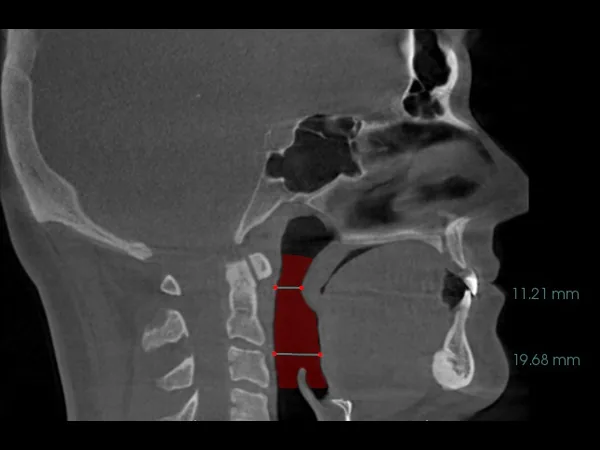 Mid-treatment
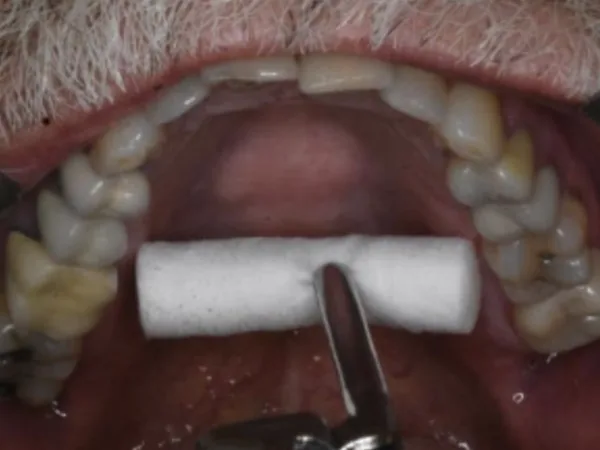 Before
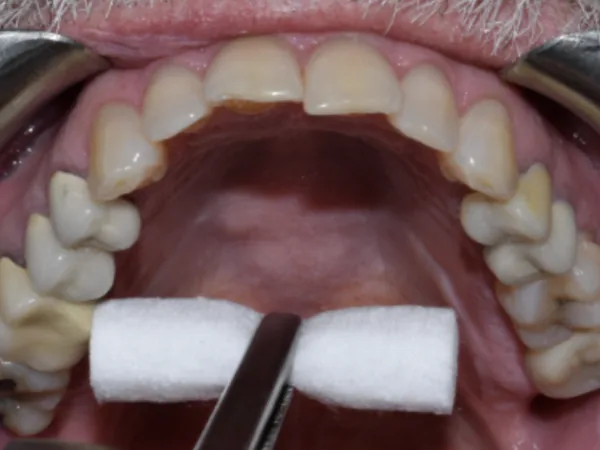 After
I had sleep apnea, severe snoring… snoring is down to minimal occurrences…
Every person is different. Read patient reviews →
Know if it’s sleep apnea first.
Loud snoring with pauses or gasps can mean sleep apnea. A simple sleep test tells the difference.
- Take the test at home, in your own bed
- Results guide the right treatment
- Treat snoring without hiding a bigger problem
Share a bedroom again.
Snoring affects two people. When your airway stays open, nights can get quieter for both of you.
- A plan made for both of you
- No machine noise or mask to wear
Every person is different, so results vary.

How snoring treatment works.
Three simple steps at our Colorado Springs office.
 1
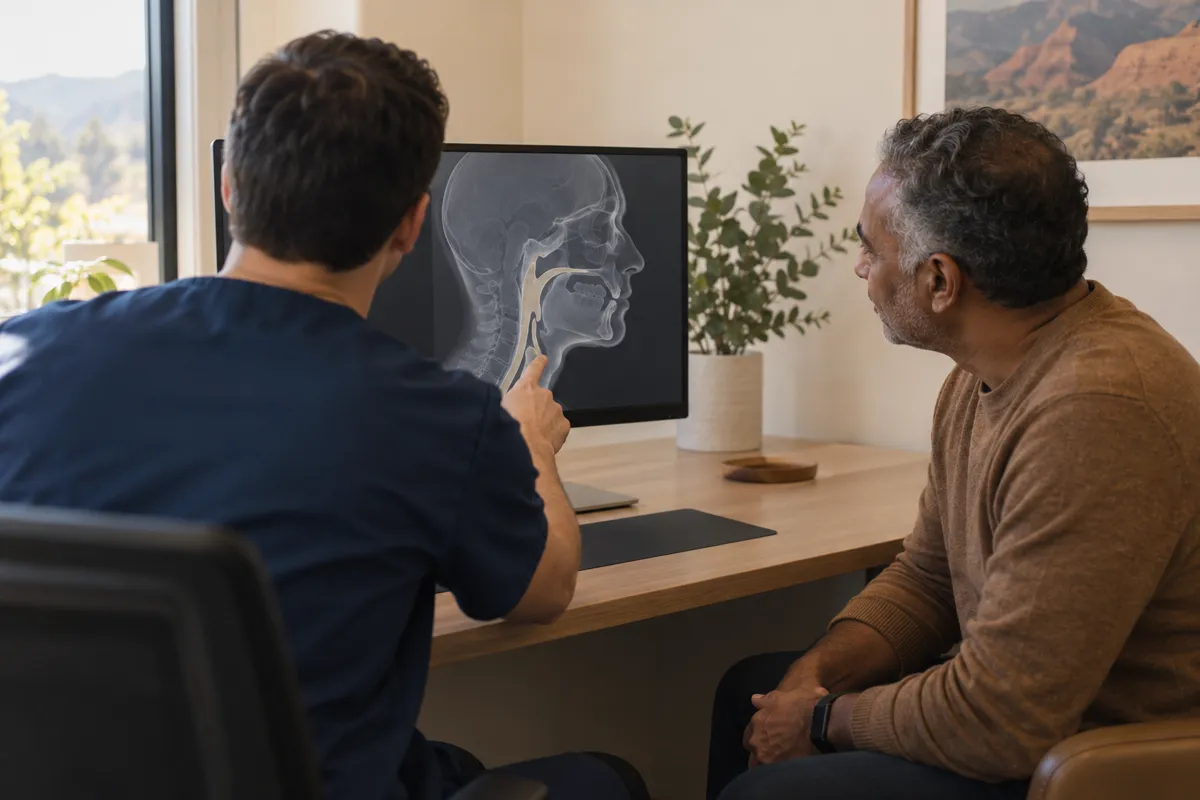
Consult and airway exam
We check your airway, jaw, and bite, and answer every question.
 2
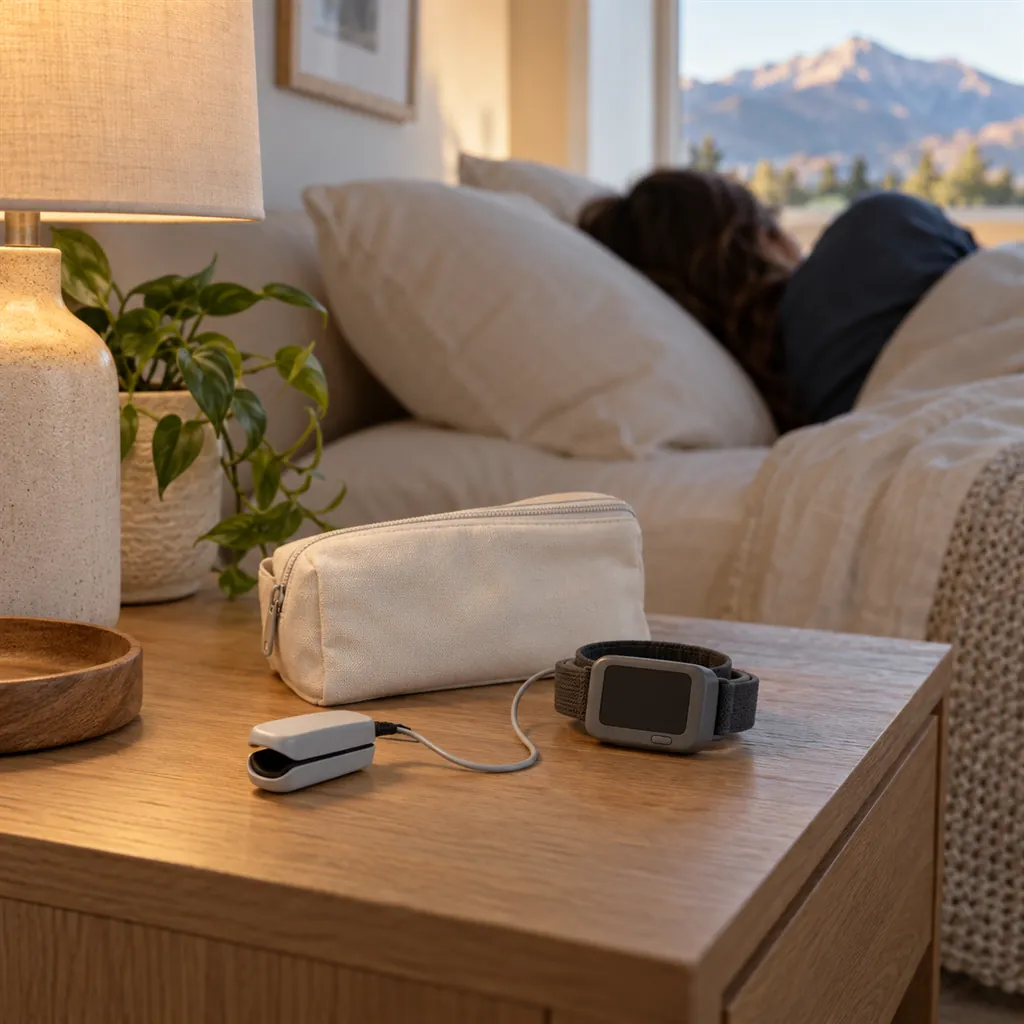
Sleep test if needed
A home sleep test shows whether your snoring is sleep apnea.
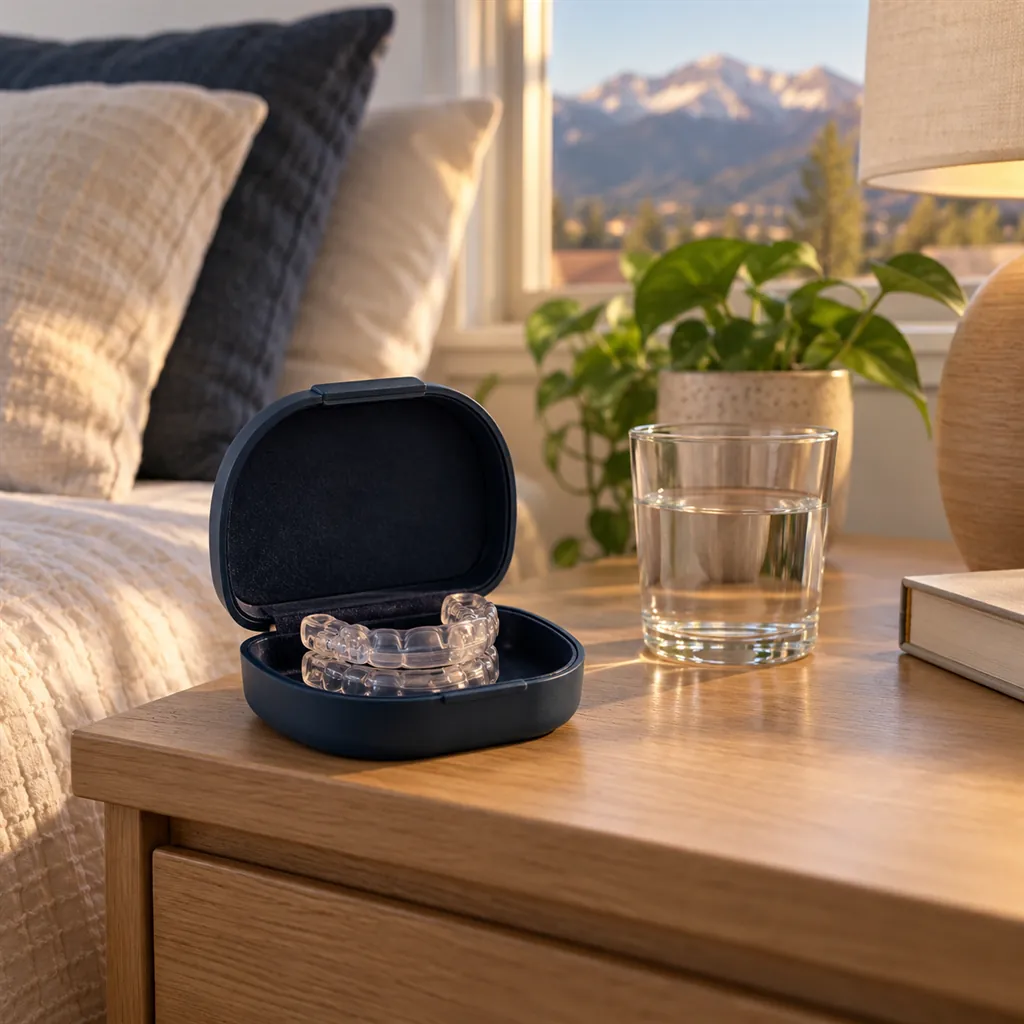 3
Your custom plan
We explain your options and costs, then fit your treatment.
He walked me through a plan of action/options and explained his reasoning behind it. I didn't feel rushed during my visit and was confident in his expertise.
Every person is different. Read patient reviews →
Meet your Colorado Springs sleep dentists.
Two credentialed sleep dentists with 25 years of combined experience. Both offer the same treatments; Dr. Williams also does tongue tie releases.








What should I track before a snoring visit?
Note how often snoring happens, whether someone has observed breathing pauses or gasping, and whether you feel sleepy during the day. Bring any previous sleep study. Ask whether testing is appropriate before choosing a treatment and how success will be evaluated.
What is the best treatment for snoring?
The best treatment depends on why you snore. For many adults, a custom oral appliance that holds the jaw slightly forward is a common option. Nasal breathing care, myofunctional therapy, and jaw expansion can also help. We start by checking your airway, and a sleep test if needed, so treatment fits the cause.
Is snoring a sign of sleep apnea?
It can be. Loud snoring with pauses, gasps, or choking is a common sign of obstructive sleep apnea. Many people who snore don't have sleep apnea, though. A simple home sleep test is the only way to know for sure, and it helps us choose the safest treatment for you.
Do snoring mouthguards work?
Custom oral appliances made by a trained dentist can reduce snoring for many people. Store-bought guards are one-size-fits-all and can't be fine-tuned, so they may not fit well or work as hoped. A custom appliance is made for your teeth and bite and adjusted step by step. Every person is different.
Can a dentist help with snoring?
Yes. Dentists trained in dental sleep medicine make custom oral appliances that keep your airway more open while you sleep. Both of our doctors hold dental sleep medicine credentials (AADSM and ABDSM). We also check for signs of sleep apnea, so your snoring is treated safely.
What is the newest treatment for snoring?
Most of today's snoring treatments are non-surgical and focus on the cause, not just the noise. Newer options include custom oral appliances, laser treatment that can firm the soft palate (we use NightLase and Solea Sleep), and myofunctional therapy to strengthen tongue and throat muscles. The right mix depends on your airway. We'll explain what's current and what fits you at your consult.
Is snoring surgery worth it?
Surgery can help some people, but it isn't the first step for most snorers. Many people start with non-surgical options like a custom oral appliance. If surgery might be right for you, we'll tell you and explain why. We always start with the least invasive path that fits.
Why do I snore so loud?
Loud snoring often means air is squeezing through a narrow space in your throat. Common reasons include a small or set-back jaw, a tongue that falls back, a blocked nose, alcohol near bedtime, and sleeping on your back. Very loud snoring with pauses can be sleep apnea, so it's worth getting checked.
How can I stop snoring without CPAP?
CPAP is usually prescribed for sleep apnea, not snoring alone. A custom oral appliance, nasal breathing care, and myofunctional therapy are common options. If you do have sleep apnea, we also offer CPAP alternatives. A sleep test helps us choose the right path.
Does insurance cover snoring treatment?
Coverage depends on your plan, and every plan is different. Bring your insurance card to your consult. We'll look at your plan with you, explain your options, and walk you through next steps before treatment starts. See Insurance & Billing to learn more.
Does sleeping on my side stop snoring?
Side sleeping can help some people, because lying on your back lets your tongue and jaw fall back. It usually doesn't stop loud snoring on its own, though. If you still snore, wake up tired, or your partner hears pauses in your breathing, it's time to get your airway checked.
Can kids snore too?
Yes, and regular snoring in kids is not normal. It may be linked to mouth breathing, poor sleep, and daytime struggles. A child who snores most nights should get checked. Learn about our kids' airway care and how we help children breathe and sleep better.
Where can I get snoring treatment in Colorado Springs?
Our office is in Colorado Springs, and we welcome patients from Monument & Palmer Lake, Fountain, Falcon & Peyton, Black Forest, Woodland Park, Castle Rock, Pueblo, and Cañon City. Both of our doctors hold dental sleep medicine credentials (AADSM and ABDSM). We start with a consult and airway exam, then build a plan for quieter nights.
Evidence & further reading
Professional guidance and research related to this topic:
Find out why you snore.
One visit to check your airway and talk through your options.