CPAP Alternatives in Colorado Springs
Can't stand CPAP? There's another way.
Sleep apnea treatment without CPAP, starting with a custom oral appliance. No mask, no hose.
You're not alone if CPAP failed.
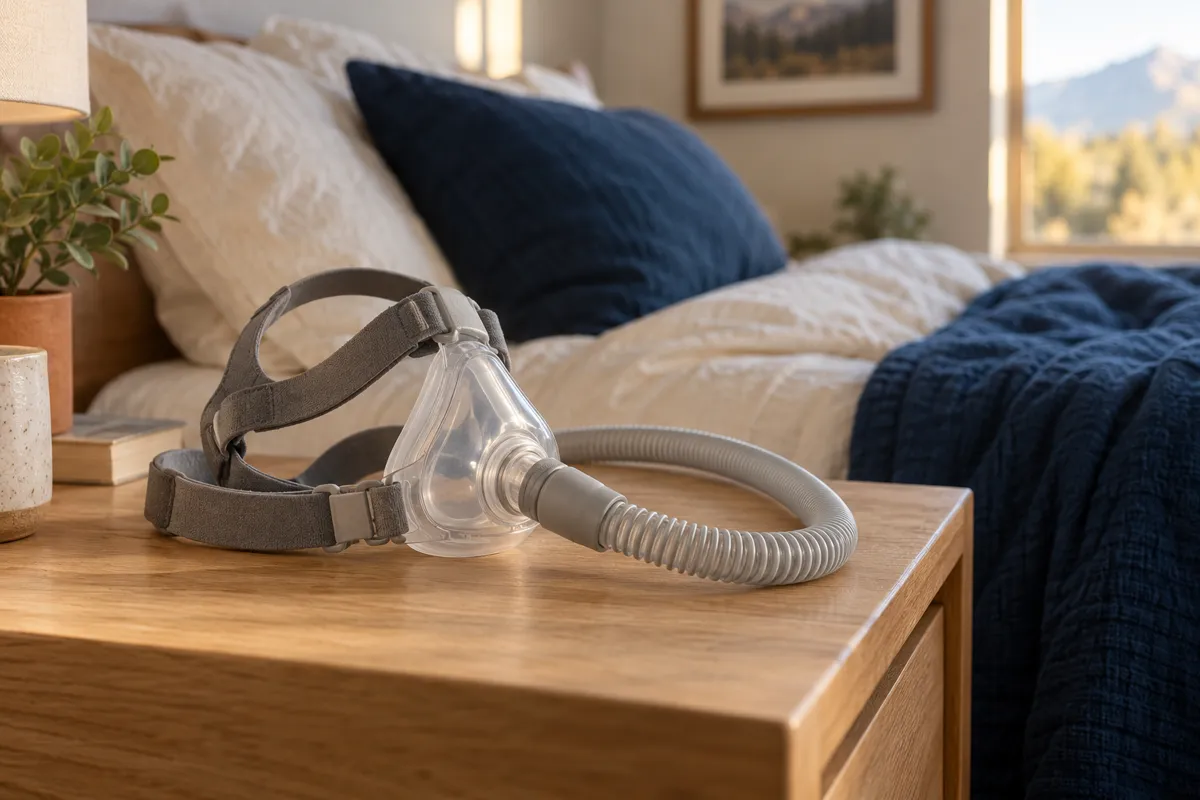
Masks leak, hoses tangle, and the noise keeps you up. Many people stop using CPAP for these reasons.
- Mask discomfort, leaks, and marks on your face
- Dry mouth, machine noise, or feeling trapped
- Hard to travel, camp, or share a bed
“I have recommended them to several of my friends who have problems with sleep apnea and hate the C-Pap machine.”
Gary F. · Patient of Dr. Erlander
Your options besides CPAP.
These alternatives to CPAP for sleep apnea fit different airways. We'll help you choose.





Real airway changes from real patients.
Adult airway cases from our office, shared with permission. A narrow jaw can crowd the airway.
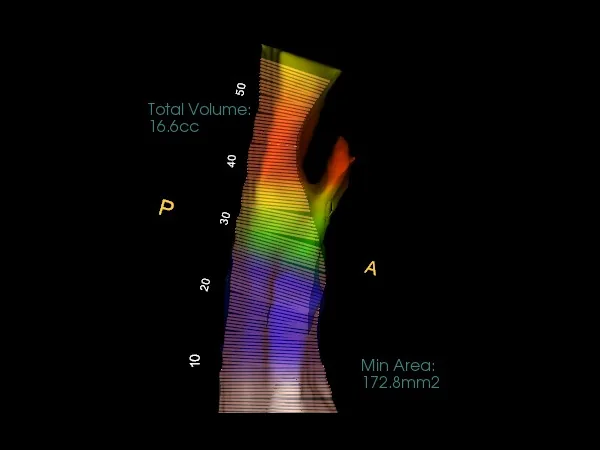 Before
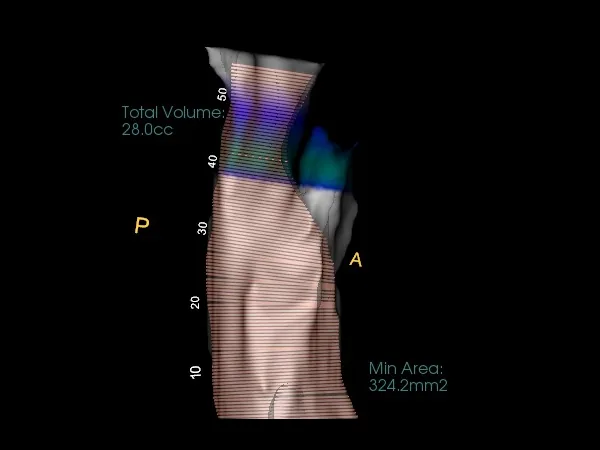 Mid-treatment
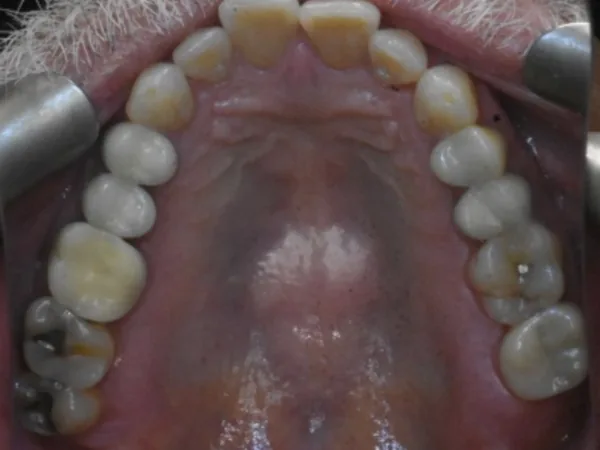 Before
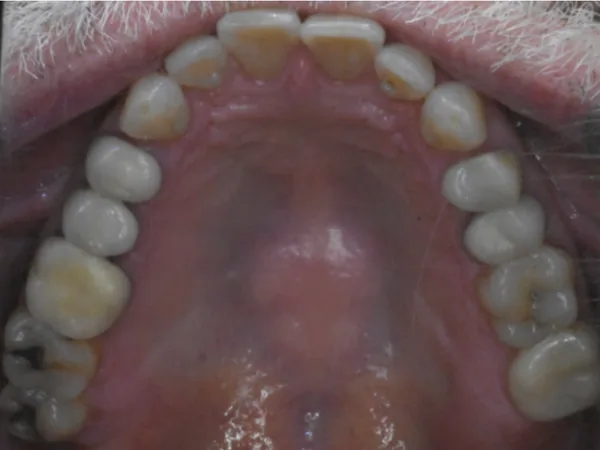 After
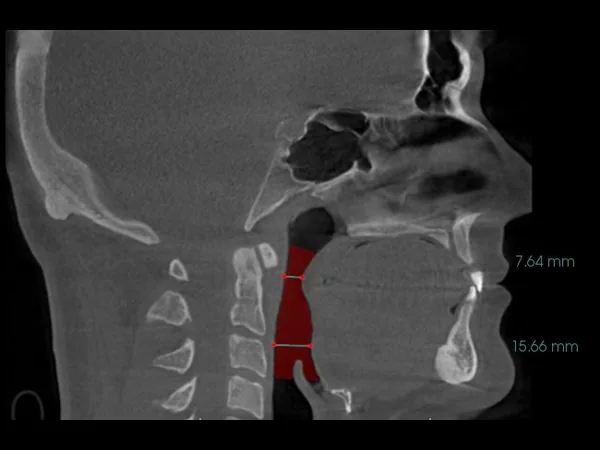 Before
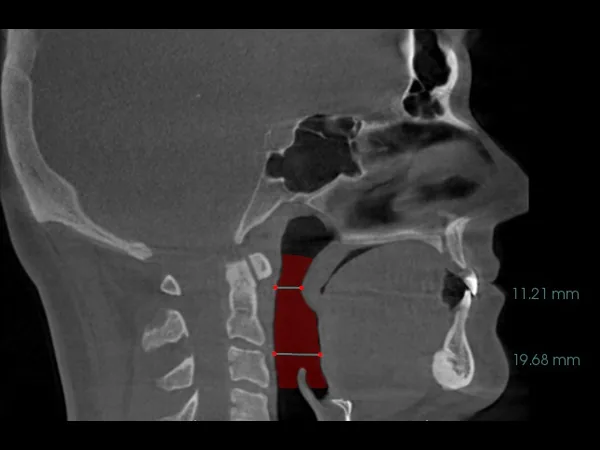 Mid-treatment
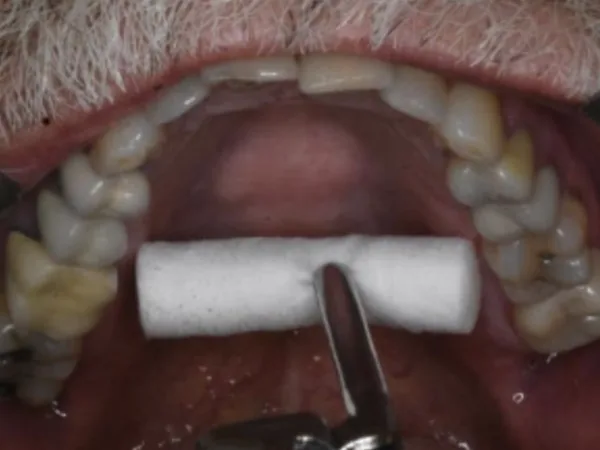 Before
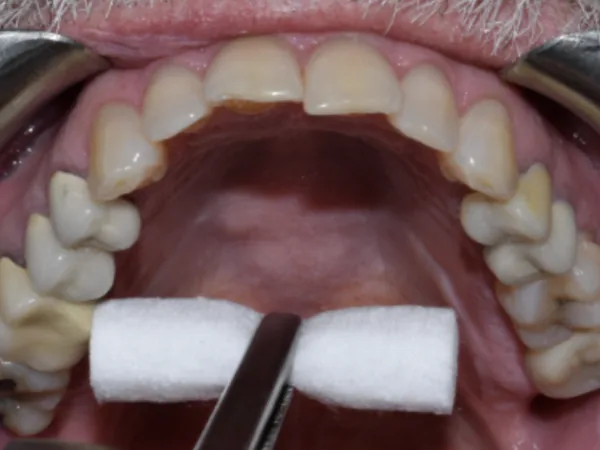 After
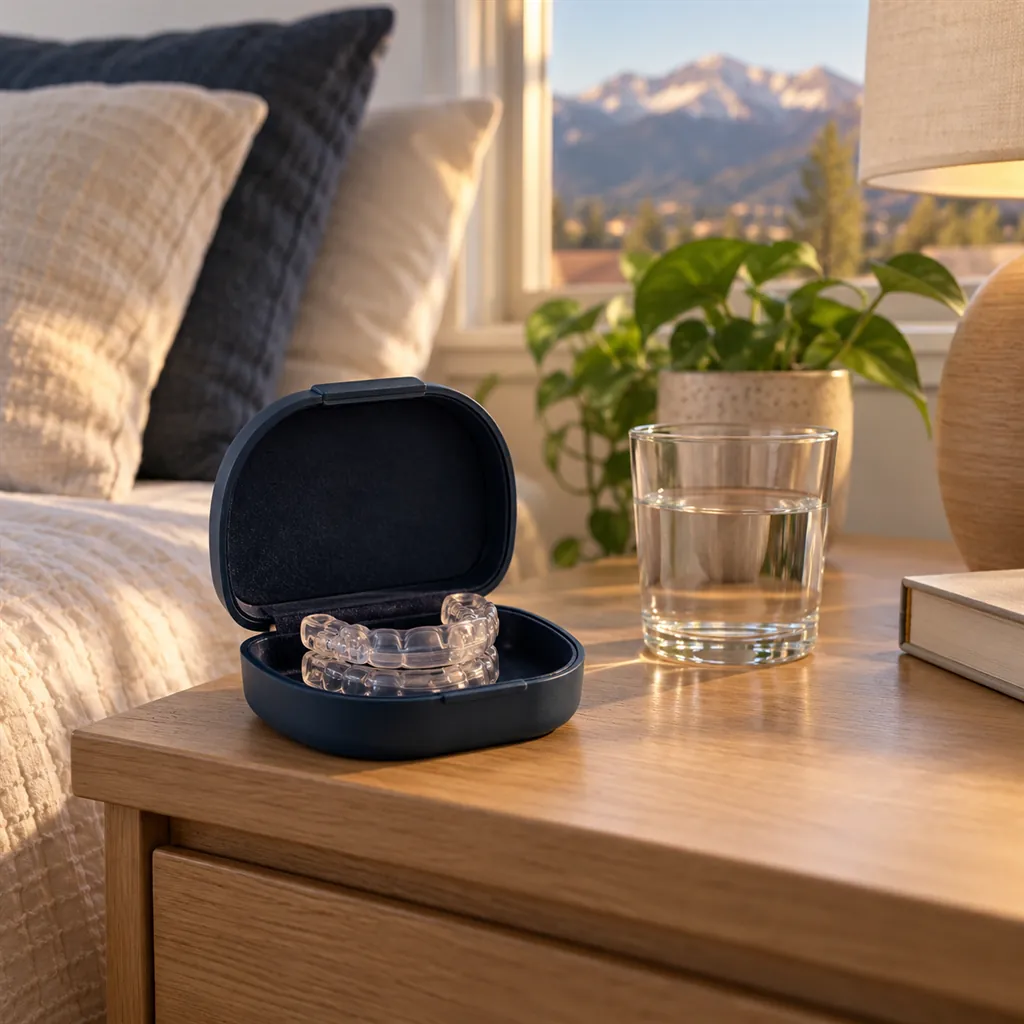
How an oral appliance compares.
A dental appliance fits like a sports mouthguard and holds your jaw forward, keeping your airway open.
Source: AASM and AADSM clinical practice guideline for oral appliance therapy (2015)
…my daytime exhaustion and attention issues have virtually disappeared…
Every person is different. Read patient reviews →
Is a CPAP alternative right for you?
We'll tell you honestly if an alternative fits, or if CPAP is still your best tool.
Often a good fit if you
- Have mild to moderate obstructive sleep apnea
- Can't use CPAP, or stopped using it
- Want something quiet and easy to travel with
When CPAP may still be best
- Severe sleep apnea, depending on your sleep test
- Central sleep apnea, which needs a sleep physician
- Health needs your sleep doctor wants managed first
Please don't stop using CPAP until you've talked with your doctor.
Source: AASM and AADSM clinical practice guideline for oral appliance therapy (2015)
How switching from CPAP works.
Four simple steps, and we guide you through each one.
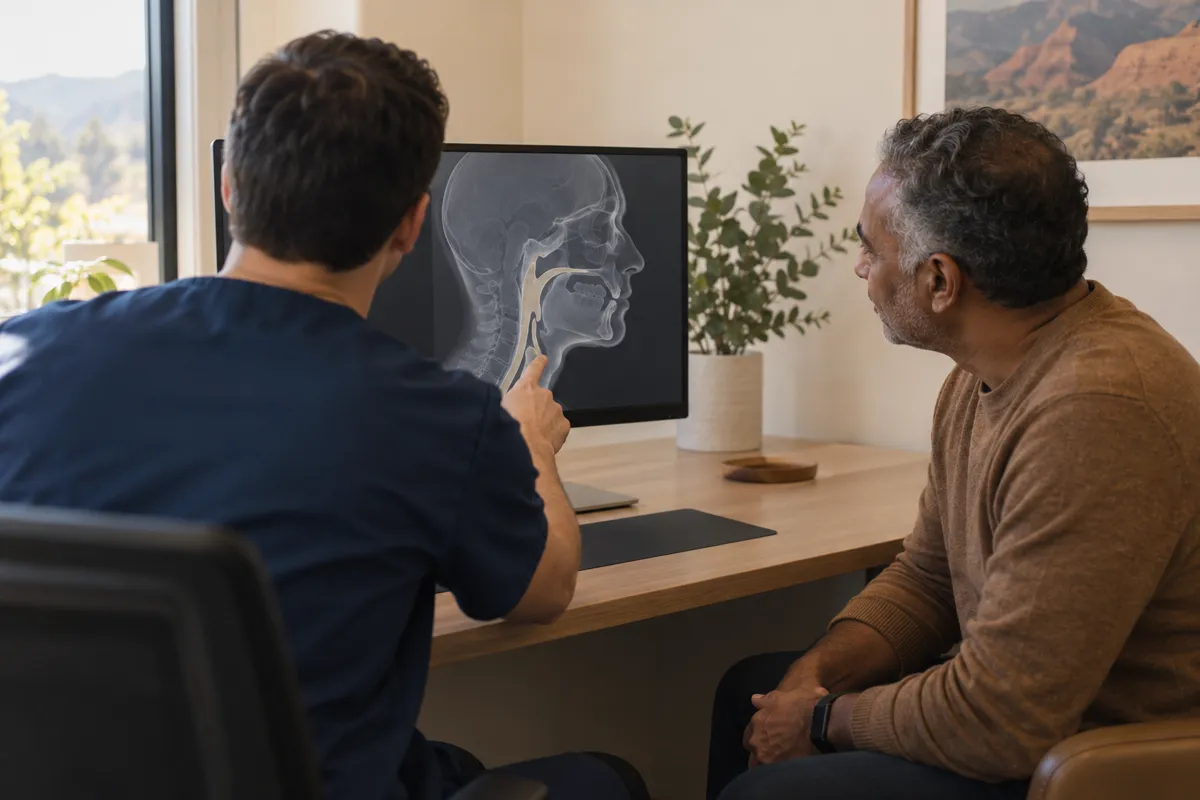 1
Consult and airway exam
Bring your sleep study. We check your airway, jaw, and bite.
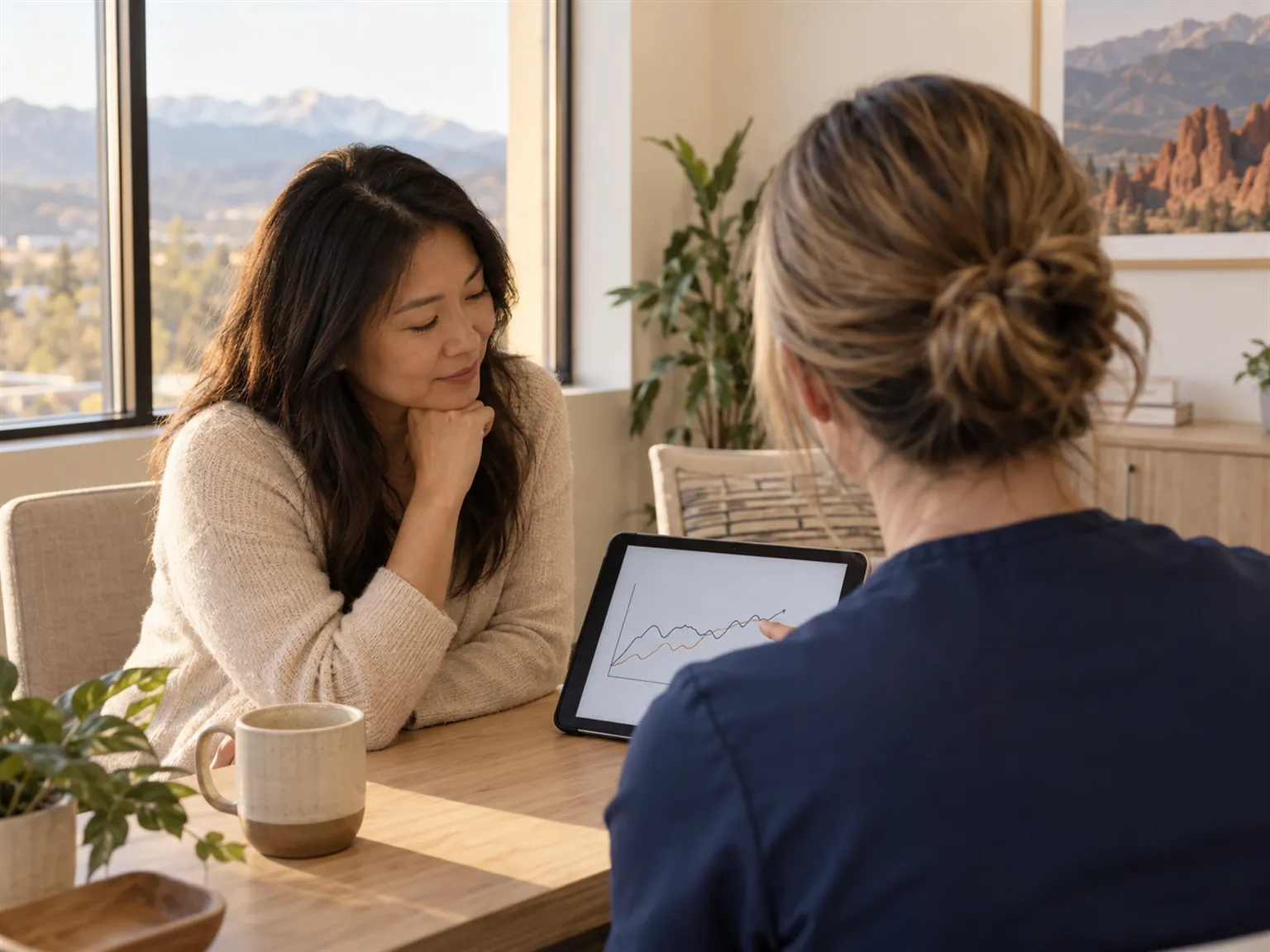 2
Your custom plan
We explain your options and costs before anything starts.
 3
Fitting
We fit your appliance and adjust it for comfort.
 4
Follow-up sleep test
We check your progress with a follow-up sleep test.
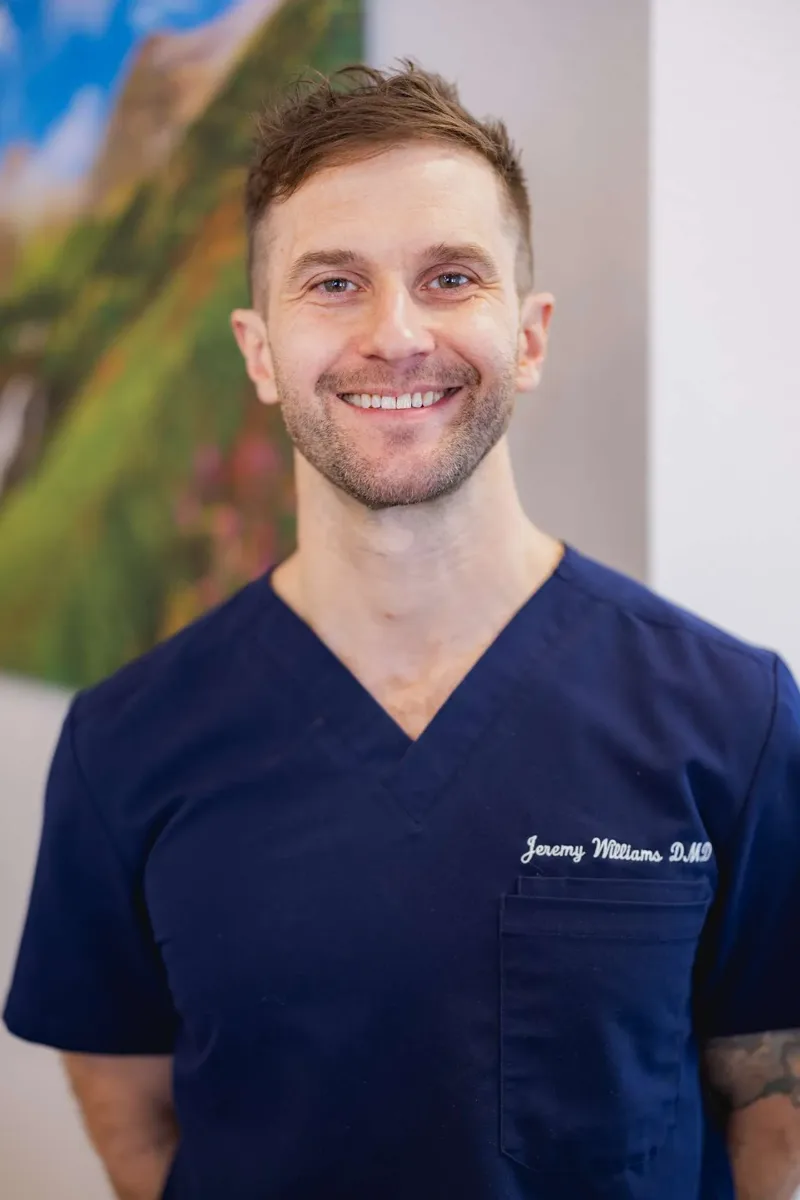
Meet your Colorado Springs sleep dentists.
Two credentialed sleep dentists with 25 years of combined experience. Both offer the same treatments; Dr. Williams also does tongue tie releases.
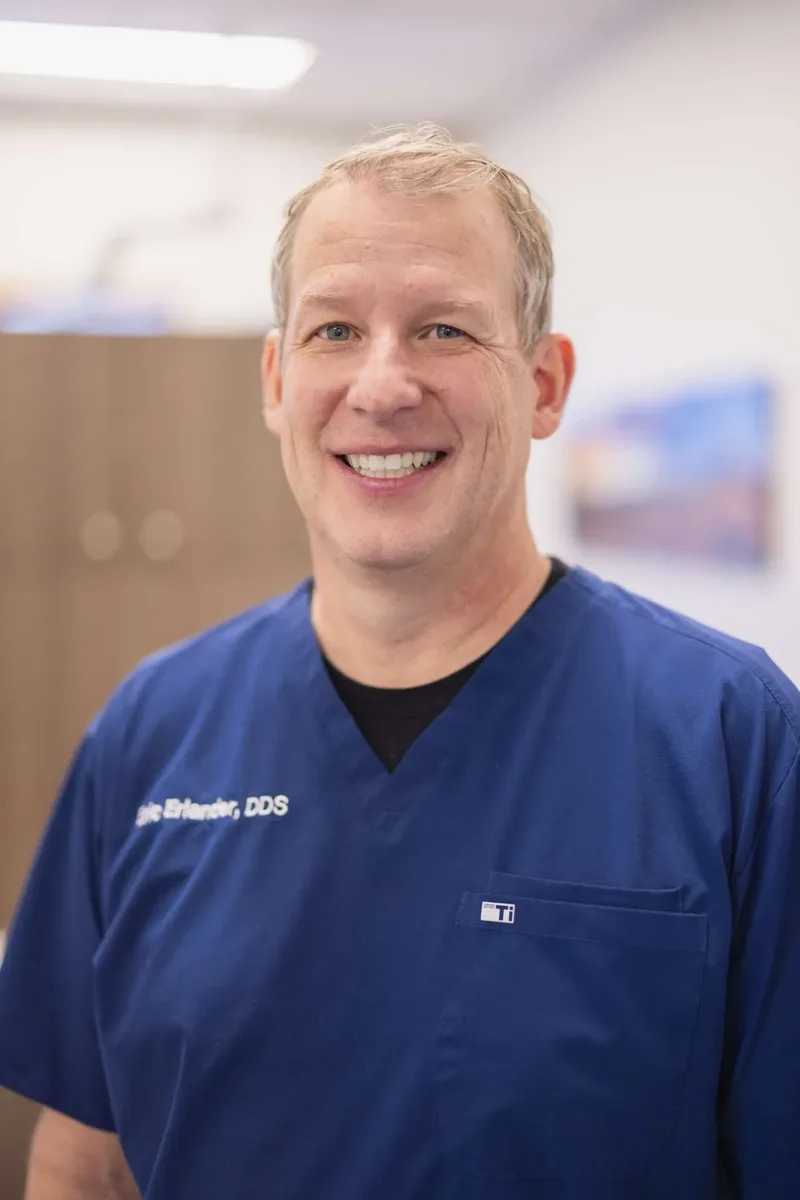






…he can tell what is actually needed instead of automatically treating each patient with the same approach.
Every person is different. Read patient reviews →
How will I know whether my treatment is working?
Ask how your treatment will be fitted or started, who will monitor side effects, and when its effect will be checked. Those answers can differ by treatment:
- PAP: Your sleep team can review use and device data and help address comfort or mask problems.
- Custom oral appliance: A qualified dentist fits and adjusts it and checks for jaw discomfort or bite changes. The sleep clinician can arrange follow-up testing to assess effectiveness.
- Other options: Ask which diagnosis and findings make the option appropriate, who manages it, and what outcome the team will measure.
At follow-up, share how you are sleeping, how consistently you can use the treatment, and any new symptoms. Ask when it is appropriate to reassess your current prescription.
AASM/AADSM guideline on oral appliances · AASM guidance on follow-up sleep testing
What is the best alternative to CPAP?
For mild to moderate obstructive sleep apnea, a custom oral appliance is the most common, well-studied CPAP alternative. Other alternatives to CPAP include airway and jaw expansion, myofunctional therapy, and nasal breathing care. The best choice depends on your sleep test, your airway, and what you can stick with. We walk you through each option at your consult.
Does insurance cover CPAP alternatives?
Coverage depends on your plan, and every plan is different. Bring your insurance card to your consult. We'll look at your plan with you, explain your options, and walk you through next steps before treatment starts. See Insurance & Billing to learn more.
How long does it take to switch from CPAP to an oral appliance?
It depends on your plan. Most people start with a consult and airway exam, then a fitting, then a few visits to adjust the appliance. After that, a follow-up sleep test checks your progress. We'll walk you through each step at your consult, before anything starts.
Can sleep apnea be treated without CPAP?
Often, yes. For many people with mild to moderate obstructive sleep apnea, sleep apnea treatment without CPAP starts with a custom oral appliance. Others benefit from expansion, myofunctional therapy, or a mix of treatments. Some people with severe sleep apnea still need CPAP or surgery. We'll be honest about what fits you after we review your sleep test.
Is an oral appliance as good as CPAP?
CPAP often lowers breathing pauses more on the night it's worn. But many people wear an oral appliance more nights, so real-life results can be close for mild to moderate sleep apnea. Every person is different, so we check how you're doing with a follow-up sleep test after your appliance is adjusted.
Is it safe to stop using my CPAP?
Please don't stop using CPAP on your own. Untreated sleep apnea may be linked to high blood pressure, heart disease, and drowsy driving. Keep using it until you have a new treatment in place and your doctor agrees. We'll work with your sleep test results so you can switch safely and with confidence.
Do I need a new sleep study to switch from CPAP?
Not always. Bring your current sleep study to your consult and we'll review it with you. If your study is old, or your health or weight has changed, a new test may help. We can help you take a simple home sleep test in your own bed.
Is Inspire a CPAP alternative?
Inspire is an implanted device for some people with moderate to severe sleep apnea who can't use CPAP. It requires surgery and has its own rules for who qualifies. We can explain how it compares with an oral appliance. Read our guide to Inspire vs an oral appliance.
Is there a CPAP alternative for severe sleep apnea?
Sometimes. An oral appliance can help some people with severe sleep apnea, but CPAP or surgery is often the better tool. It depends on your sleep test and your health. We'll tell you honestly what we think, and we'll work with your sleep doctor to find a plan that keeps you safe.
How can I stop snoring without CPAP?
Snoring can be a sign of sleep apnea, so we start by checking your airway and sleep test. A custom oral appliance, nasal breathing care, or tongue and throat exercises may help. If you do have sleep apnea, an oral appliance may quiet snoring too. Every person is different. Learn more about snoring treatment.
What does a CPAP alternative feel like to wear?
A custom oral appliance feels like a thin sports mouthguard. Most people get used to it over time. Some people have a sore jaw, tender teeth, or extra saliva at first, which usually eases. We adjust your appliance step by step so it stays comfortable.
Where can I find CPAP alternatives in Colorado Springs?
Looking for a CPAP alternative in Colorado Springs? Our office is here in town, and we welcome patients from Monument & Palmer Lake, Fountain, Falcon & Peyton, Black Forest, Woodland Park, Castle Rock, Pueblo, and Cañon City. Both of our doctors hold dental sleep medicine credentials (AADSM and ABDSM). We start with a consult and airway exam.
Evidence & further reading
Professional guidance and research related to this topic:
Find a treatment you'll actually use.
Book a consult and we'll walk you through your options.