TMJ Treatment in Colorado Springs
Jaw pain? Let's find the cause.
We use 3D imaging and digital bite tests to find what's behind your jaw pain, then treat it.
Do you have TMJ symptoms?
Tap any that sound like you.
0 of 8
Pick any signs that fit. If even one keeps coming back, get your jaw checked.
Book a ConsultJaw problems and poor sleep are often linked. We check both.
This checklist isn't a diagnosis. An exam is the only way to know for sure.
When your jaw joint gets strained.
Your jaw joints (TMJs) connect your jaw to your skull. When they strain, jaw, face, and head pain (orofacial pain) can follow.
- A bite that puts stress on the joint
- Clenching or grinding, often at night
- Posture and airway problems, which can be linked
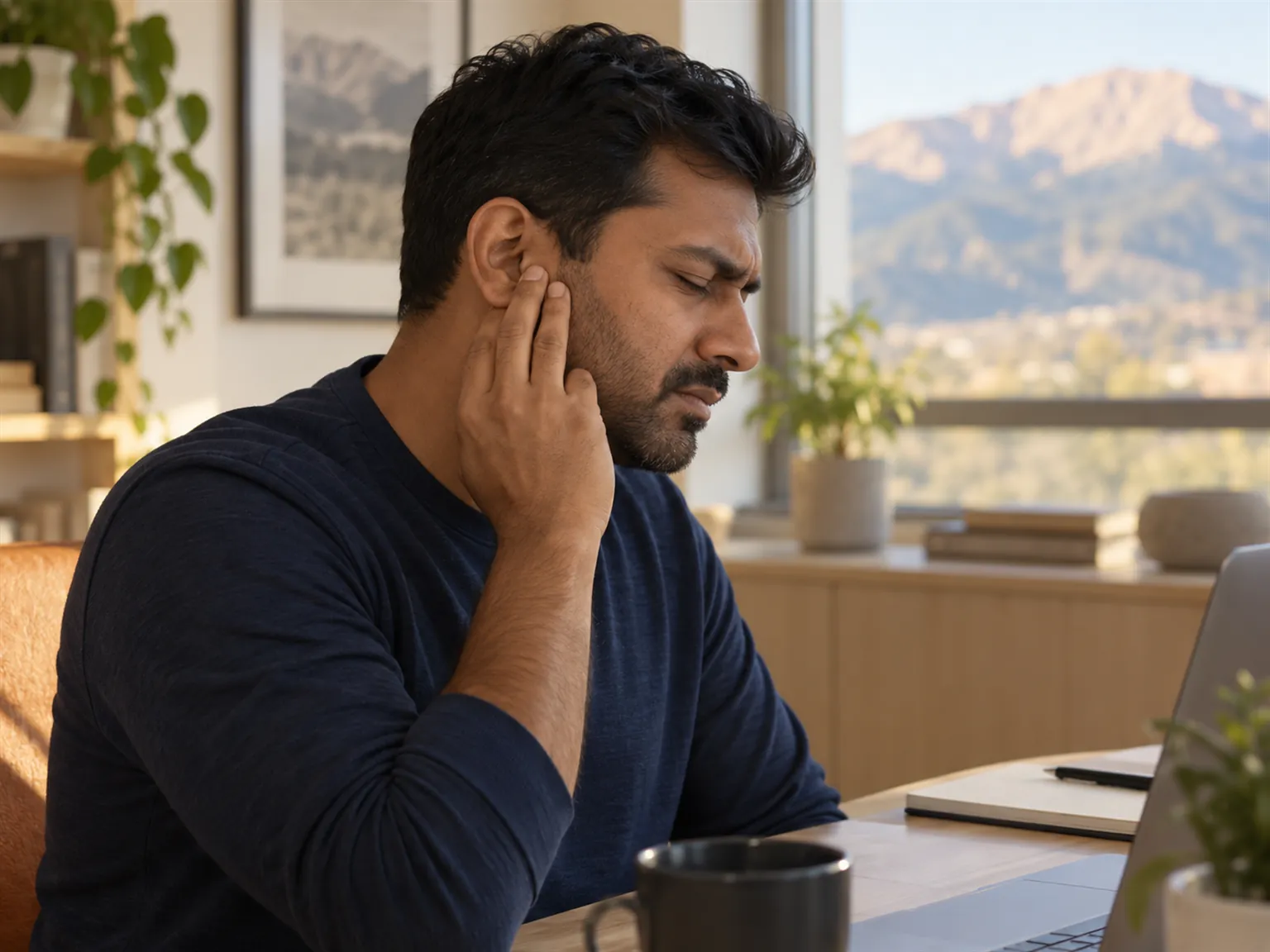
How we find the cause.
We don't guess. We measure, so your plan is built on what we can see.
It's crazy how a messed up jaw is connected to sleep apnea and the body being out of sync.
Every person is different. Read patient reviews →
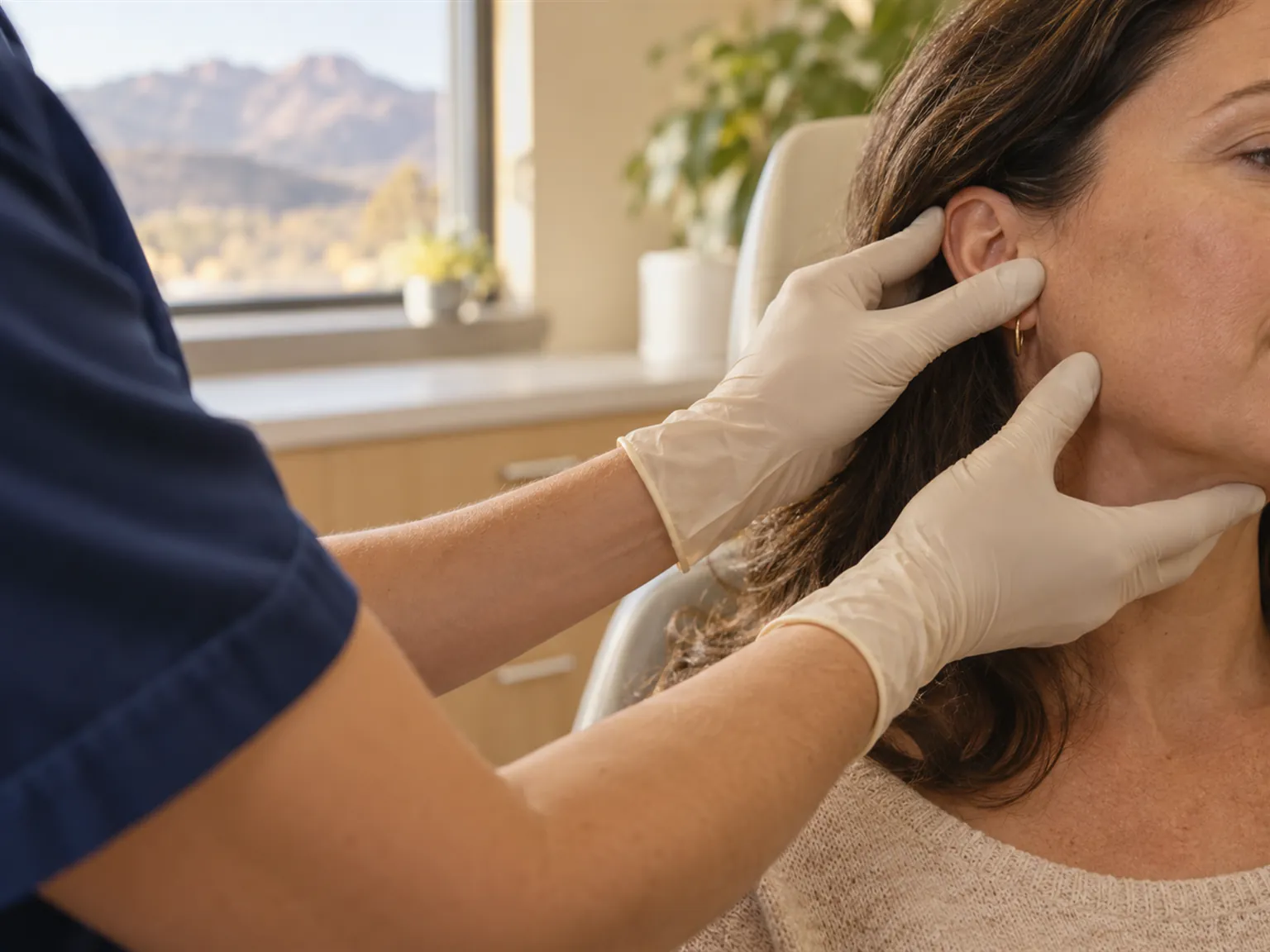
Treatment that targets the cause.
Your plan depends on your tests. It may include a custom oral appliance, bite and airway care, and tongue and jaw exercises.
Care that may help you:
- Ease headaches and jaw pain
- Ease neck and shoulder tension
- Eat comfortably again
Every person is different.
Is TMJ care right for you?
We'll tell you honestly if we can help, or if another doctor should see you first.
Often a good fit if you
- Have jaw pain, clicking, or locking
- Get headaches with jaw or neck tension
- Clench or grind your teeth
When to see another doctor first
- Sudden jaw pain with chest pain, shortness of breath, or arm pain (call 911)
- Sudden swelling, fever, or an ear infection
- Pain with numbness or trouble swallowing
How TMJ care works.
Four simple steps at our Colorado Springs office.
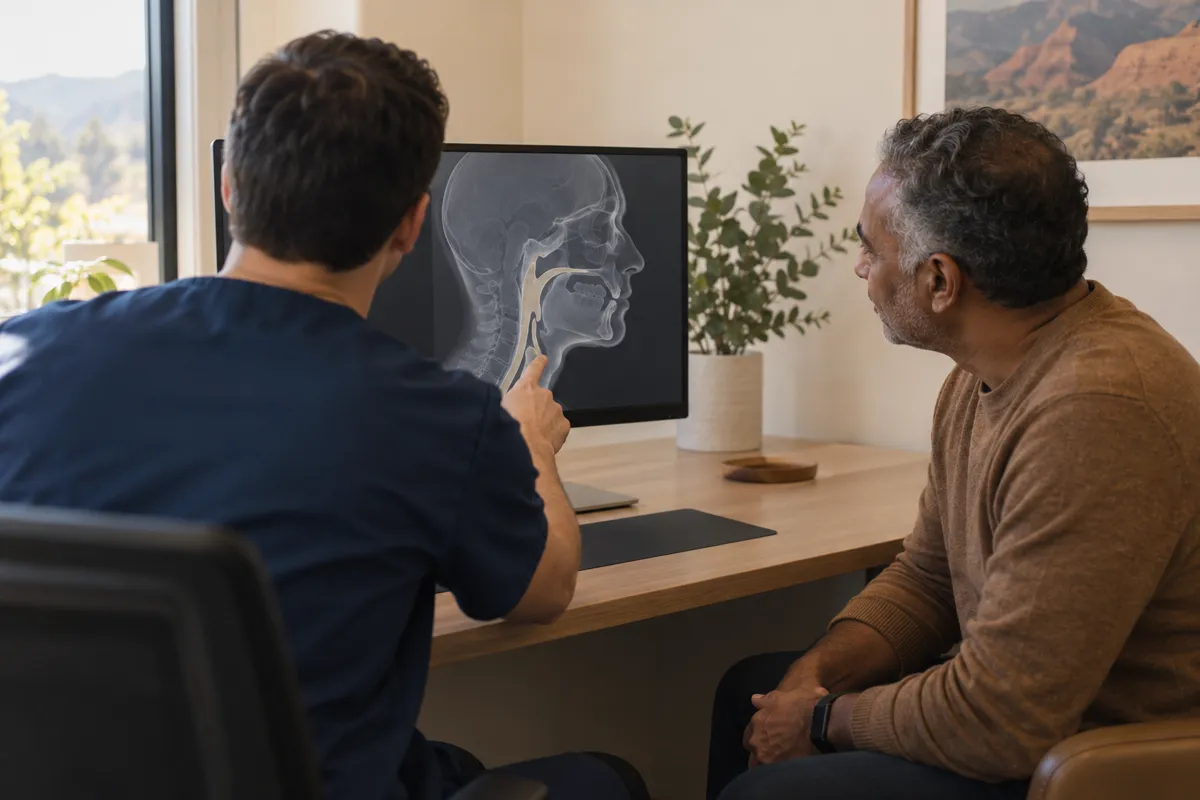 1
Consult and exam
We listen to your story and check your jaw, bite, and airway.
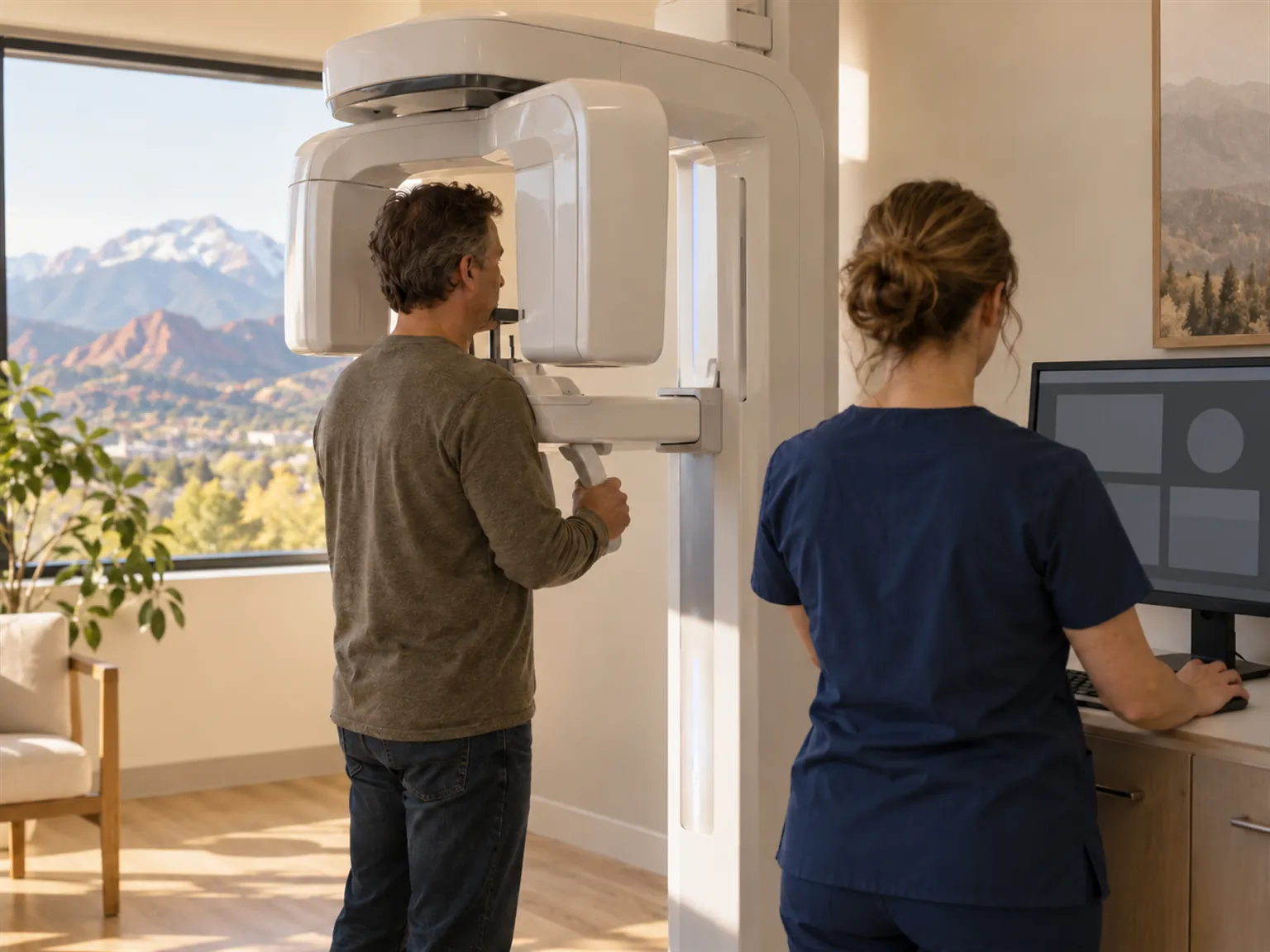 2
Imaging and tests
3D imaging and digital tests show what is happening.
 3
Your custom plan
We explain your results, options, and costs before anything starts.
 4
Treatment and follow-up
We adjust your care over time and check your progress.
…they use only the best state-of-the-art Equipment. They have your best interest in mind at all times…
Every person is different. Read patient reviews →
Meet your Colorado Springs TMJ dentists.
Dr. Erlander focuses on TMJ and craniofacial pain. Together, our doctors bring 25 years of combined experience.








What to bring to a first jaw pain visit
Tell us where the pain starts, when it began, what makes it worse, and whether your jaw locks or has limited opening. Bring information about prior injuries, appliances, and treatments you have tried. Mention headaches or ear symptoms so the clinician can consider other explanations.
Ask what the exam suggests, which conservative options fit your findings, and what would prompt a referral. Agree on a practical measure for follow-up, such as how comfortably you can chew or open your mouth.
Who treats TMJ?
TMJ problems can be treated by dentists with training in jaw joints and orofacial pain, as well as oral surgeons, physical therapists, and physicians. Many people start with a TMJ dentist, because the bite, teeth, and jaw are closely linked. Dr. Erlander is a member of the American Academy of Craniofacial Pain.
Does insurance cover TMJ treatment?
Coverage depends on your plan, and every plan is different. Bring your insurance card to your consult. We'll look at your plan with you, explain your options, and walk you through next steps before treatment starts. See Insurance & Billing to learn more.
How long does TMJ treatment take?
It depends on what your tests show and how your jaw responds. Every person is different. We'll explain what to expect at your consult, before anything starts, and we check your progress at each visit so your plan can change as your jaw does.
Do I need a TMJ specialist?
If your jaw pain, clicking, or headaches keep coming back, it helps to see a TMJ doctor or dentist with advanced training in jaw joints and craniofacial pain. We use 3D imaging, joint vibration analysis, jaw tracking, and digital bite tests to find the cause, so your plan isn't based on guesses.
How do you diagnose TMJ disorders?
We start with your history and an exam of your jaw, bite, and muscles. Then we may use CBCT 3D imaging, BioJVA joint vibration analysis with EMG, computerized jaw tracking, and T-Scan digital bite analysis. Together, these tests show what is causing your symptoms and guide your plan.
Can TMJ cause headaches?
Yes, TMJ problems may be linked to headaches, especially morning headaches and tension around the temples. Tight jaw and neck muscles, clenching, and grinding can all play a part. Learn more in our guide to TMJ headaches, or book a consult to find out what's behind yours.
Can TMJ cause ear pain or ringing?
It can. Your jaw joint sits right in front of your ear, so TMJ problems may be linked to ear pain, a full feeling, or ringing. Ear symptoms can also have other causes, so if you have sudden pain, fever, or hearing loss, please see a physician first.
Does a night guard help TMJ?
A custom night guard can help some people by protecting teeth and easing strain from clenching or grinding. It isn't the right tool for everyone, and a poorly fitted guard can make things worse. Learn about our custom night guards, and we'll tell you if one fits your plan.
Can TMJ go away on its own?
Mild jaw soreness sometimes eases with rest, soft foods, and less clenching. If pain, clicking, locking, or headaches keep coming back, get checked. Learn more about jaw pain causes. Finding the cause early helps us plan your care. Every person is different, so we look at your jaw, bite, and airway together.
Is TMJ linked to sleep apnea?
They can be linked. Some people clench or push their jaw forward at night to keep their airway open, which can strain the jaw joint. That's why we check your airway and sleep, too. Learn more about sleep apnea treatment and how it connects to jaw pain.
What does TMJ treatment involve?
Treatment depends on your tests. It may include a custom oral appliance to support your jaw, bite care, breathing and airway care, and simple home care. We explain each step, along with costs, before anything starts, so you always know what's next.
Where can I get TMJ treatment in Colorado Springs?
Our office is in Colorado Springs, and we welcome patients from Monument & Palmer Lake, Fountain, Falcon & Peyton, Black Forest, Woodland Park, Castle Rock, Pueblo, and Cañon City. Dr. Erlander focuses on TMJ and craniofacial pain. We start with a consult and exam, then use advanced tests to build a plan that fits you.
Can you help with jaw pain after an injury?
Yes. If your jaw hurts after a fall, a sports hit, or a car accident, we can check your jaw joints, bite, and muscles. If you hit your head, passed out, or can't close your teeth together, go to urgent care or the ER first. Then come see us.
Evidence & further reading
Professional guidance and research related to this topic:
Get to the root of jaw pain.
Book a consult and we'll look for the cause and explain your options.