Tongue & Lip Tie Release in Colorado Springs
Gentle tongue tie care for every age.
A tight tongue can affect feeding, speech, sleep, and breathing. We check gently and explain every option.
Signs of a tongue or lip tie.
Tap any that sound like you or your child.
0 of 8
Tap the signs you notice. Even one sign is worth a look.
Book a ConsultTies can show up at any age. We check babies, kids, and adults.
This checklist isn't a diagnosis. An exam is the only way to know for sure.
What is a tongue tie?
A tongue tie is a short or tight band of tissue under the tongue that limits how it moves.
- Feeding and swallowing
- Speech and mouth habits
- May be linked to breathing, sleep, and jaw growth

Frenectomy for babies, kids, and adults.
Ties look different at every age. We'll explain what we see in plain words.
Tongue tie releases, before and after.
Adult releases from our office, shared with permission. Kids' cases are on the way.
 Before
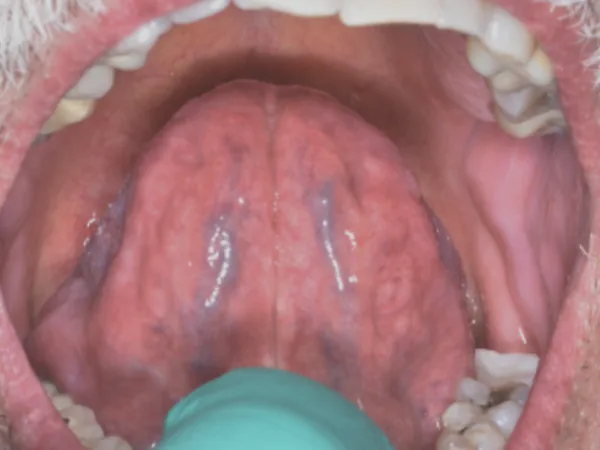 After 6 months
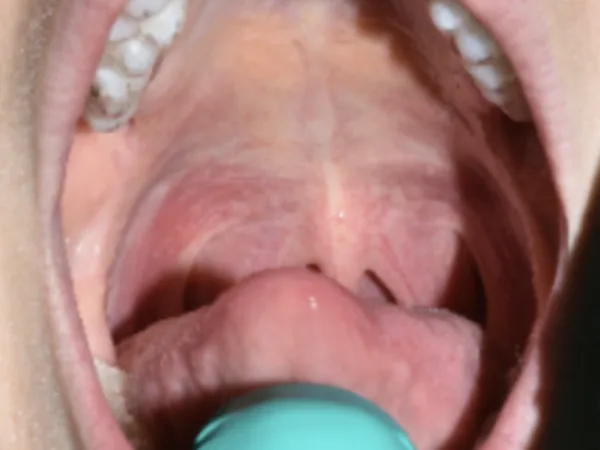 Before
 AfterBeforeAfter 6 monthsBeforeAfter
…he can tell what is actually needed instead of automatically treating each patient with the same approach.
Every person is different. Read patient reviews →

Infant frenectomy for babies and moms.
Dr. Williams trained in the Infant Frenectomy Protocol. We explain every step to parents.
- A careful feeding and mouth exam
- A quick, gentle release when it is needed
- Aftercare steps explained in plain words
Every baby is different, so results vary.
Exercises help the tongue move well.
Simple exercises before and after a release help the tongue learn new ways to move.
- Prepare the tongue before a release
- Support healing after a release
- Build habits like nasal breathing

How tongue tie release works.
Four simple steps at our Colorado Springs office.
 1
Consult and exam
We check how the tongue and lip move, plus breathing and feeding.
- 2
Plan and prep
We explain options and costs, and share simple exercises to start.
 3
Gentle release
When a release is needed, we keep it quick and gentle.
 4
Healing and follow-up
We guide aftercare and check progress at follow-ups.
Incredibly kind, thorough, patient, and knowledgeable drs. Highly recommend
Every person is different. Read patient reviews →
Meet your Colorado Springs airway dentists.
Dr. Williams trained with the Tongue-Tied Academy. Together, our doctors bring 25 years of combined experience.








What a feeding assessment can tell you
For a breastfeeding infant, the assessment looks at a feed as well as tongue movement. Bring your concerns about latch, pain, how long feeds take, and any recent weight checks. A pediatrician and lactation professional can assess milk transfer and growth and help identify other reasons feeding may be difficult.
Ask which feeding difficulty a release is meant to address, what feeding support has been tried, and how feeding and weight gain will be checked afterward.
AAP clinical report on infant tongue-tie and breastfeeding · AAP parent guide
What is a frenectomy?
A frenectomy is a simple procedure that releases a tight band of tissue under the tongue or upper lip. This lets the tongue or lip move more freely. It can be done for babies, kids, and adults. We explain what we see and whether a release fits before anything starts.
Does insurance cover tongue tie release?
Coverage depends on your plan, and every plan is different. Bring your insurance card to your consult. We'll look at your plan with you, explain your options, and walk you through next steps before treatment starts. See Insurance & Billing to learn more.
How much does a frenectomy cost?
The cost depends on the type of release, age, and your insurance. We'll go over costs with you at your consult, before anything starts. We'll also explain any aftercare and exercises up front, so nothing is a surprise. Learn more about frenectomy cost.
Does tongue tie release hurt?
We keep you as comfortable as possible and explain comfort options before the release. Some soreness afterward is normal and usually eases as it heals. For babies, the release is quick, and we walk parents through each step. We explain aftercare steps so you know what to expect.
Can a tongue tie affect breastfeeding?
It can. A tight tongue may make it hard for a baby to latch, which can lead to slow or noisy feeds and pain for mom. Not every feeding problem is a tie, so we check carefully. We also suggest working with a lactation consultant for the best support.
Can a tongue tie affect speech?
Sometimes. A tight tongue can make certain sounds harder to say. Not every speech delay is caused by a tie, so working with a speech therapist often helps too. We check how the tongue moves and explain whether a release may help your child.
Can a tongue tie cause sleep problems?
A tongue tie may be linked to mouth breathing, snoring, and a narrow jaw, which can affect sleep. When the tongue can't rest at the roof of the mouth, the airway may be smaller. That's why we look at breathing and sleep as part of every tongue tie exam.
At what age can a tongue tie be released?
A tongue tie can be released at almost any age, from newborns to adults. The right timing depends on symptoms like feeding, speech, breathing, or jaw strain. We look at the whole picture and tell you honestly whether a release makes sense now or later.
What is a lip tie?
A lip tie is a tight band of tissue that connects the upper lip to the gums. It can affect how a baby latches and how the lip moves. Some lip ties need no treatment. We check the lip and tongue together. Read more in our lip tie guide.
Do I need exercises after a tongue tie release?
Exercises are often recommended before and after a release. They help the tongue learn new ways to move and support healing. We'll tell you which exercises fit your plan. Learn more about myofunctional therapy and how it supports a release.
How long does healing take after a frenectomy?
Healing time varies by age and the type of release. Most people notice soreness for a short time, and the area heals over the following weeks. We give you clear aftercare steps and check progress at follow-up visits, so you always know what's normal.
Where can I get tongue tie release in Colorado Springs?
Our office is in Colorado Springs, and we welcome families from Monument & Palmer Lake, Fountain, Falcon & Peyton, Black Forest, Woodland Park, Castle Rock, Pueblo, and Cañon City. Dr. Williams trained with the Tongue-Tied Academy and in infant frenectomy. We start with a gentle exam, then build a plan that fits.
Can adults have a tongue tie released?
Yes. A tongue tie in adults may be linked to jaw, neck, or swallowing strain, or trouble with nasal breathing. We check how the tongue moves and explain whether a release may help. Every person is different. Learn more about adult tongue tie release.
What do you use for a tongue tie release?
Dr. Williams uses the Solea CO2 laser for tongue and lip tie releases. The laser lets him release the tight band with precision, and he explains each step before he starts. He is the only doctor at our office who does releases. Learn more about the Solea laser and what it's used for.
Evidence & further reading
Professional guidance and research related to this topic:
Start with one gentle exam.
Book a consult. We'll check gently and explain your options.