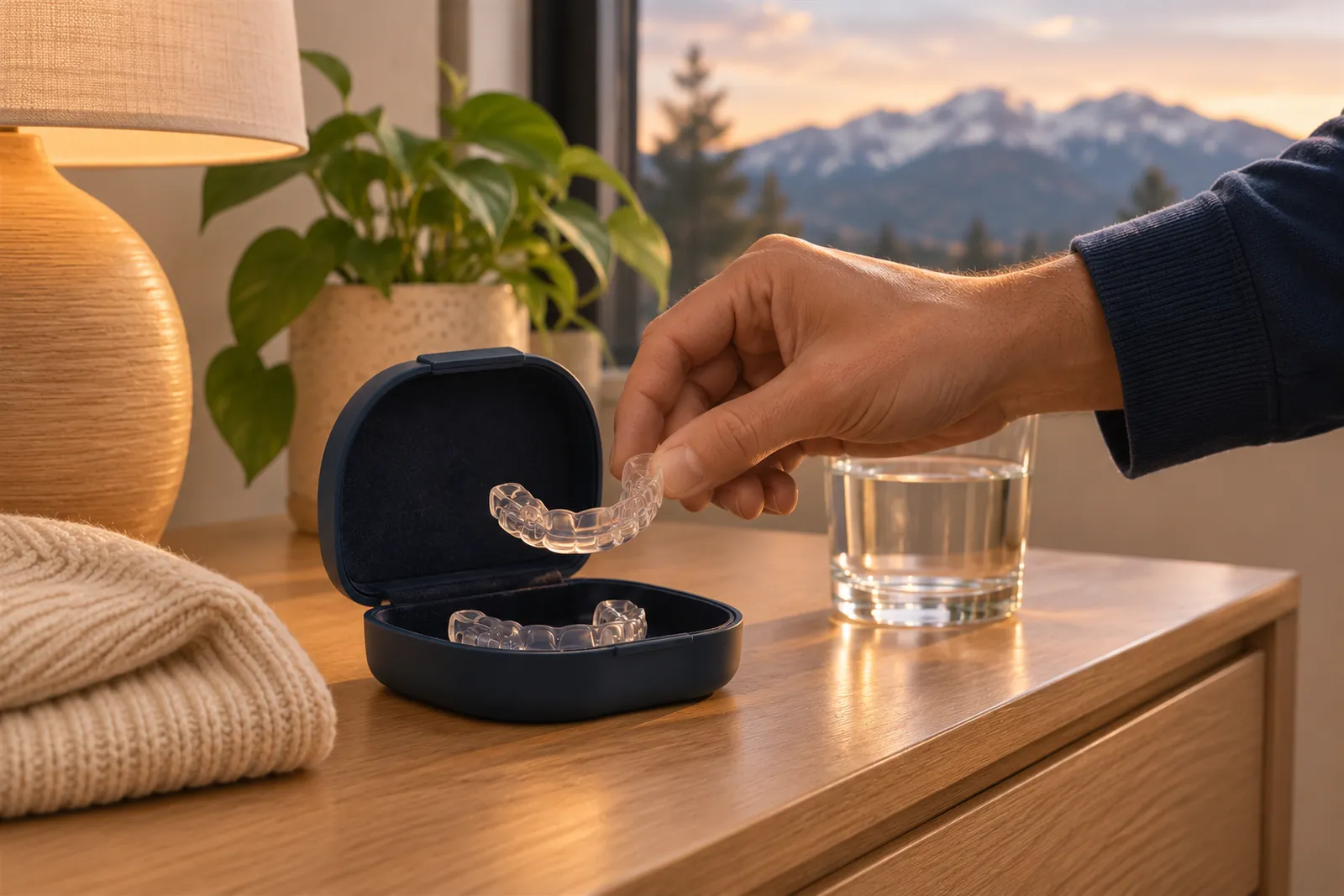
The short answer
- For most people who grind at night, the best night guard is a custom one made and adjusted by a dentist.
- Store-bought guards cost less and can work short term, but they fit less well and wear out faster.
- Grinding can be linked to sleep apnea. If you also snore or wake up tired, ask about sleep apnea treatment and a sleep test.
If you wake up with a sore jaw, a dull headache, or a partner who hears you grinding, you may be looking for the best night guard for teeth grinding. The choices can be confusing. There are stock guards, boil-and-bite guards, mail-order kits, and custom guards from a dentist.
This guide explains what bruxism is, how custom and store-bought guards compare, how a night guard should fit, how to clean it, and how it differs from a retainer. It also covers when teeth grinding may point to a sleep problem worth checking.
What is bruxism?

Bruxism means grinding, gnashing, or clenching your teeth. It can happen while you are awake or while you sleep. Mayo Clinic says sleep bruxism is a sleep-related movement disorder, and many people do not know they do it until a partner or dentist tells them.
The exact cause is not fully understood. It may be a mix of stress, genes, and how you sleep. Risk factors include anxiety, caffeine, alcohol, tobacco, and some medicines. Mayo Clinic also notes that people who grind during sleep are more likely to snore and to have sleep apnea.
For many people, bruxism is mild. But nightly grinding can wear down teeth, crack dental work, and strain the jaw. That is where a night guard helps. It does not stop the habit, but it puts a cushion between your teeth so they take less wear.
- Grinding or clenching, awake or asleep
- Linked to stress, caffeine and alcohol
- Also linked to snoring and sleep apnea
Signs you grind your teeth at night
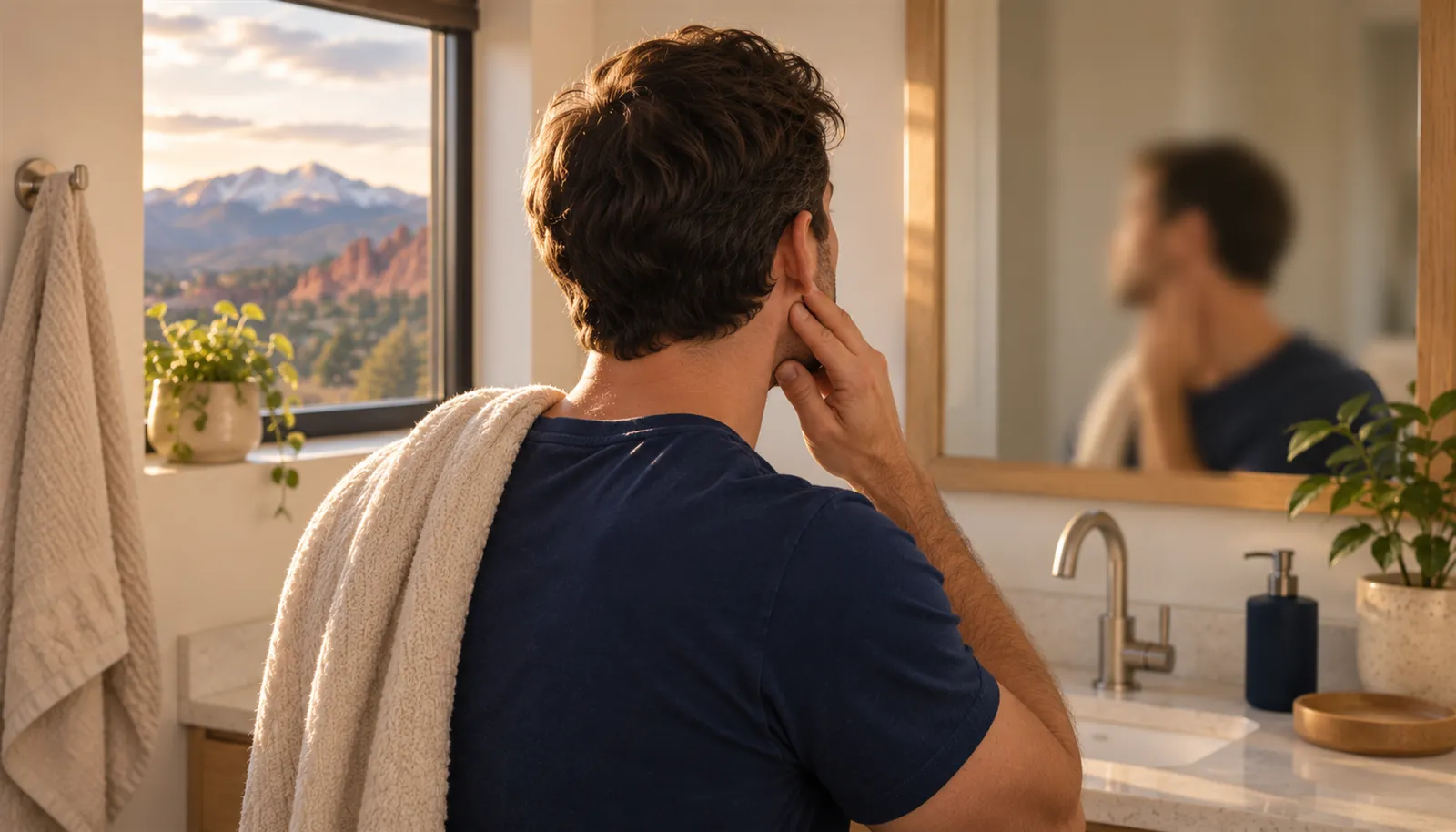
Teeth grinding often shows up as clues in the morning. Mayo Clinic lists worn, flattened, or chipped teeth, tooth sensitivity, a tired or tight jaw, and a dull headache that starts in the temples. Some people feel pain that seems like an earache, even when the ear is fine.
Your partner may hear grinding or clicking at night. Your dentist may see wear on your teeth or cracks in fillings at a checkup. Regular dental visits are one of the best ways to catch it early.
Daytime clenching counts, too. Many people clench while driving, working, or lifting at the gym. If your jaw feels tight by late afternoon, you may be clenching during the day as well as at night.
If grinding comes with jaw pain or headaches, our guide to TMJ headaches and neck pain explains how these problems connect.
- Sore jaw or dull headache on waking
- Worn, chipped or sensitive teeth
- A partner who hears grinding
Custom vs store-bought night guards
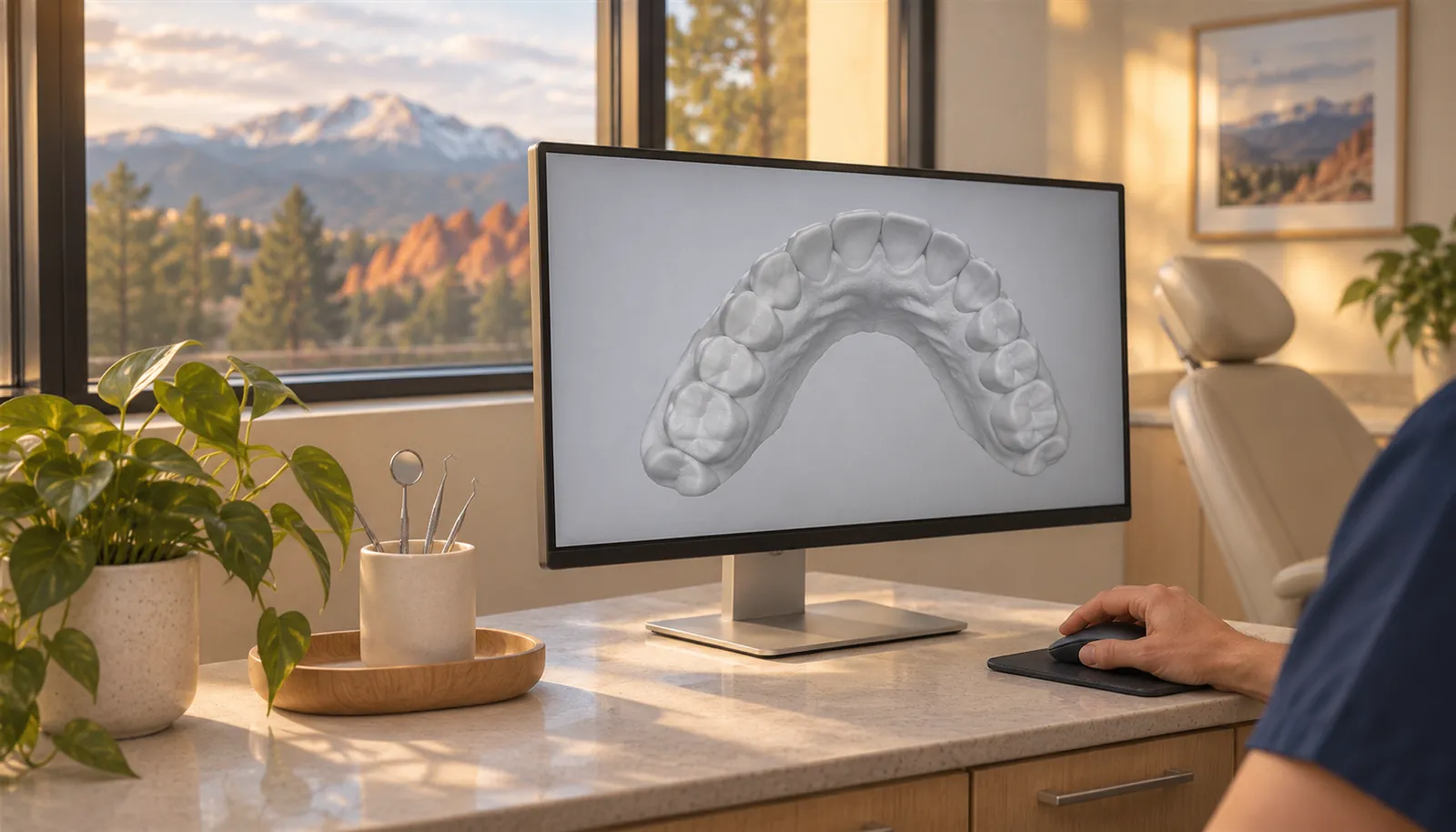
There are three main types of night guards. Stock guards come ready to wear. Boil-and-bite guards soften in hot water so you can press them to your teeth at home. Custom guards are made from a scan or mold of your teeth, then built in a dental lab.
Cleveland Clinic says store-bought guards cost less but are less effective for grinding and less durable. A poor fit can make the teeth, gums, or jaw sore. A Cleveland Clinic dentist also warns that a self-fitted guard may leave your bite unbalanced, which can make jaw pain worse.
Custom guards match the shape of your teeth. They are more comfortable, work better for grinding, and can last several years with good care. A dentist can also adjust them so your bite meets evenly.
- Stock and boil-and-bite: lower cost, looser fit
- Custom: made to fit, lasts longer
- A dentist can adjust a custom guard
So which night guard is best?
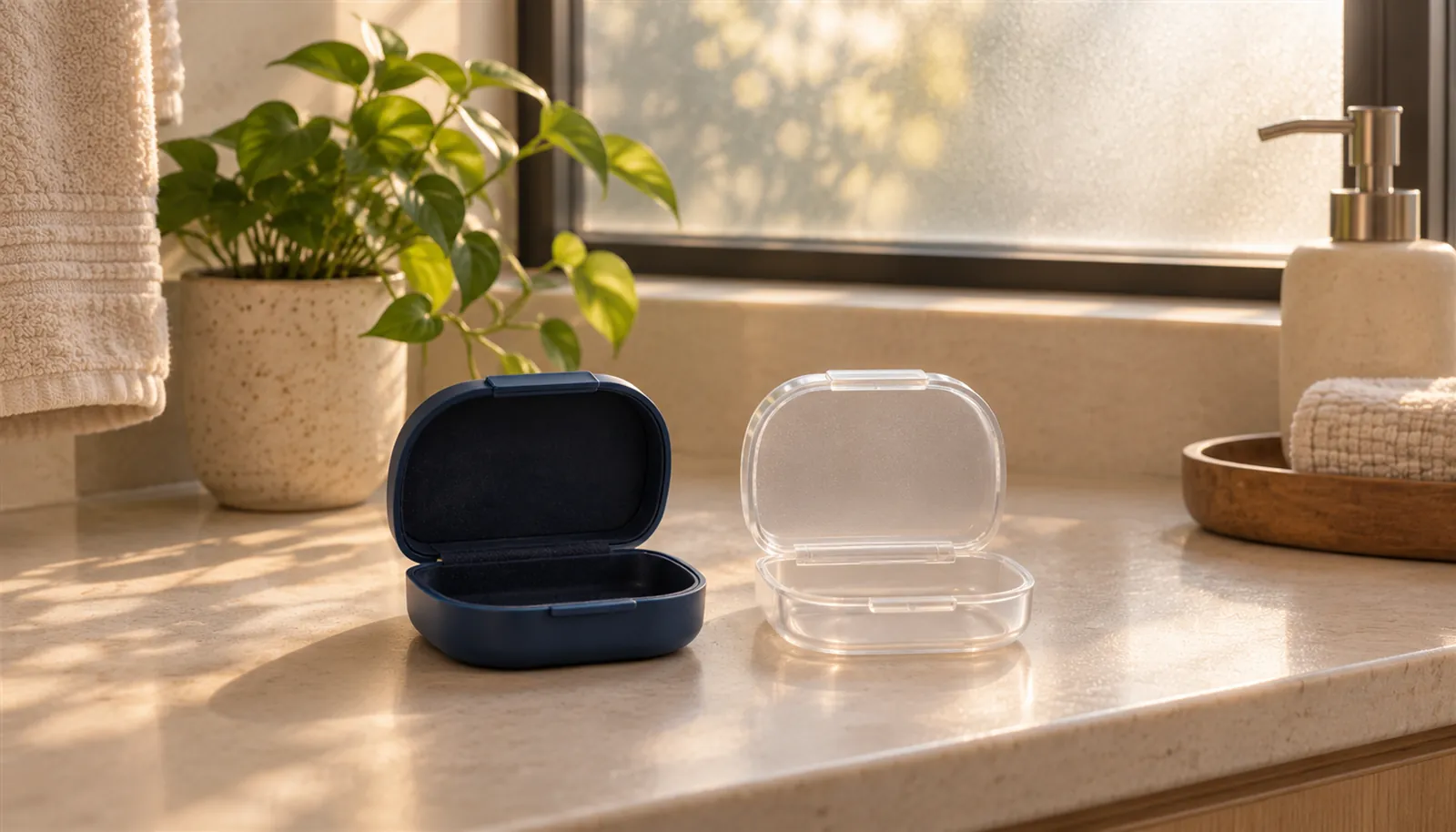
For most people who grind at night, the best night guard for teeth grinding is a custom guard made and adjusted by a dentist. It fits well, protects better, and lasts longer. It also gives your dentist a chance to look for the reason you grind.
A store-bought guard can be a short-term stopgap, for example while you wait for a dental visit. If you use one, watch for new soreness, a bite that feels off, or a guard that slips. Stop using it if your jaw pain gets worse.
Guards can be hard, soft, or layered, and they can fit the upper or lower teeth. The right choice depends on how hard you grind, your bite, and any jaw pain. Learn about our custom night guards.
If you have jaw pain, clicking, or locking, talk with a dentist before you buy any guard. The wrong design can add strain to a sore joint.
How should a night guard fit?
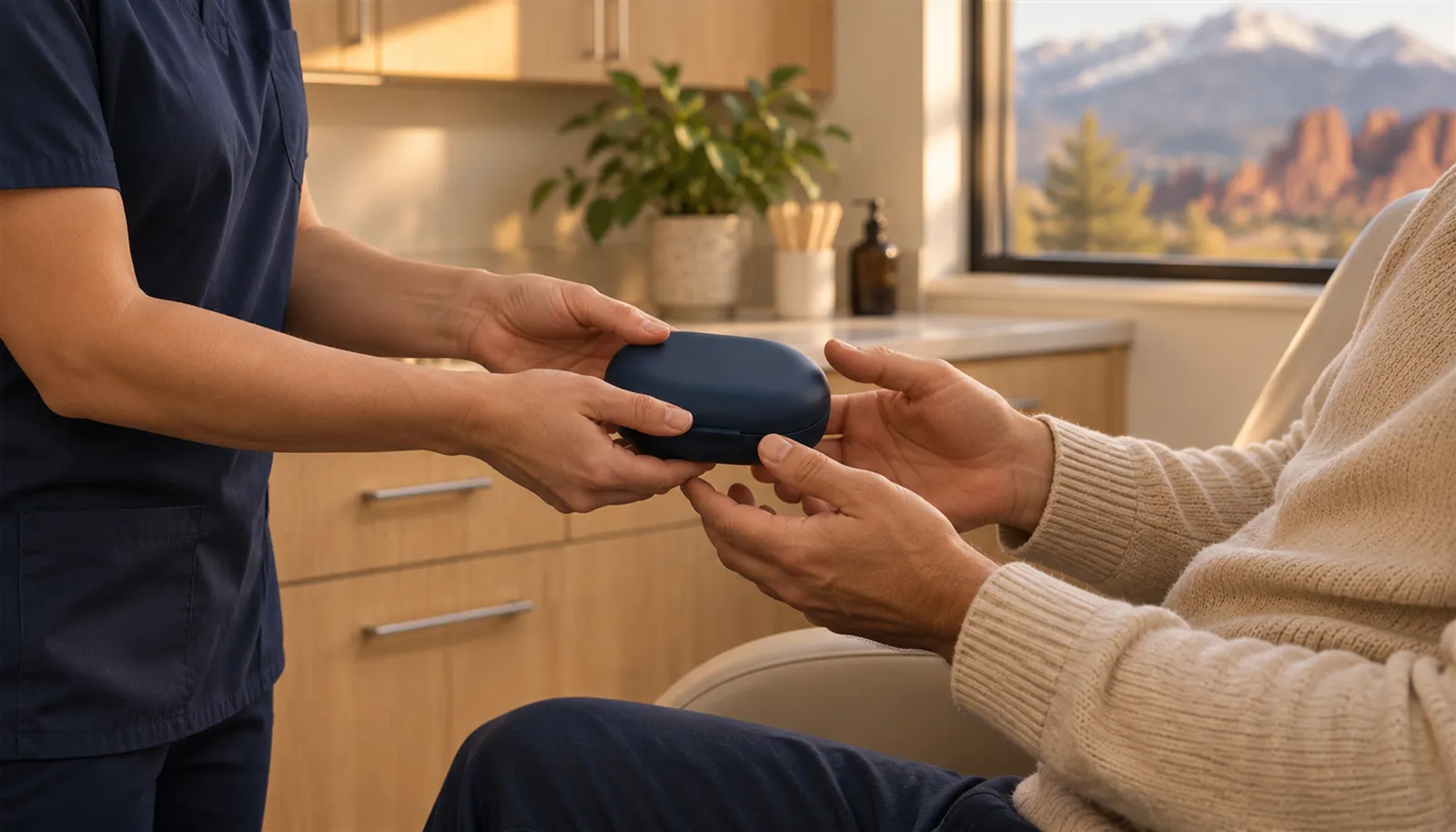
A night guard should fit snugly and evenly. It should snap or slide into place with light pressure and stay put without you biting down. It should not rock, pinch, or rub your gums.
When you close, your teeth should touch the guard evenly on both sides. A guard that feels high on one side can strain your jaw. Mild tightness for the first few nights is common. Pain that lasts, sore teeth in the morning, or a bite that feels different after you take it out are signs it needs a check.
Bring your guard to every dental visit. Your dentist can adjust a custom guard and look for cracks or wear. Small changes, like smoothing a rough edge or evening out the bite, can make a big difference in comfort.
- Snug, even, and stays in place
- Teeth touch it evenly on both sides
- Lasting soreness means get it checked
Night guard vs retainer
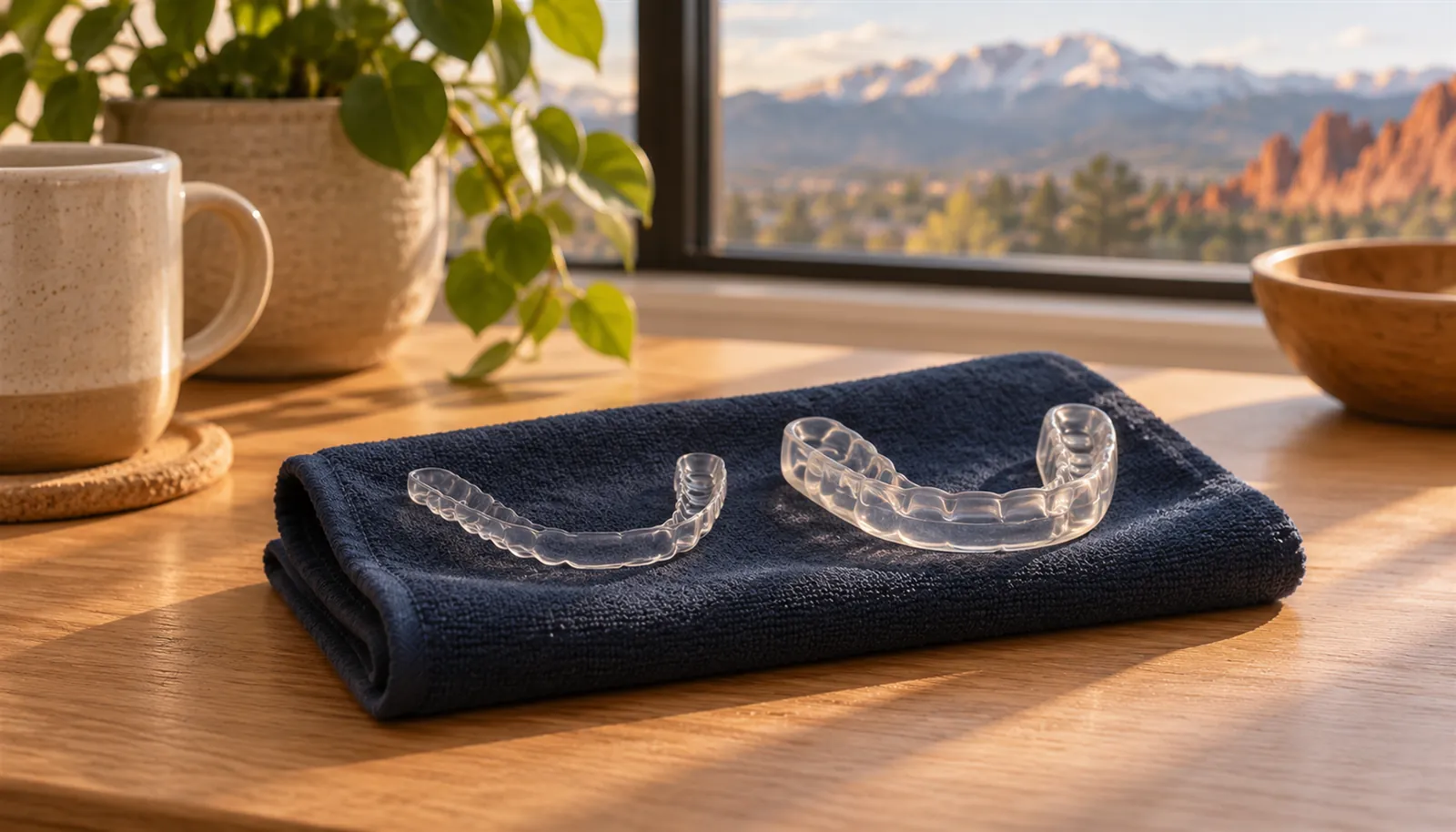
A night guard and a retainer can look alike, but they do different jobs. A retainer holds your teeth in place after orthodontic treatment so they do not shift back. A night guard is made to cushion and protect your teeth from grinding and clenching.
Retainers are often thin and made to fit tightly. A night guard is usually thicker and made to take the wear from grinding. If you wear a retainer and also grind, ask your dentist whether one device can do both jobs for you, or whether you need two.
Do not swap one for the other on your own. Grinding can wear through or crack a thin retainer, and a guard that is not built to hold your teeth may let them move. If your retainer or guard no longer fits after a few nights off, call your dentist instead of forcing it in.
How to clean a night guard
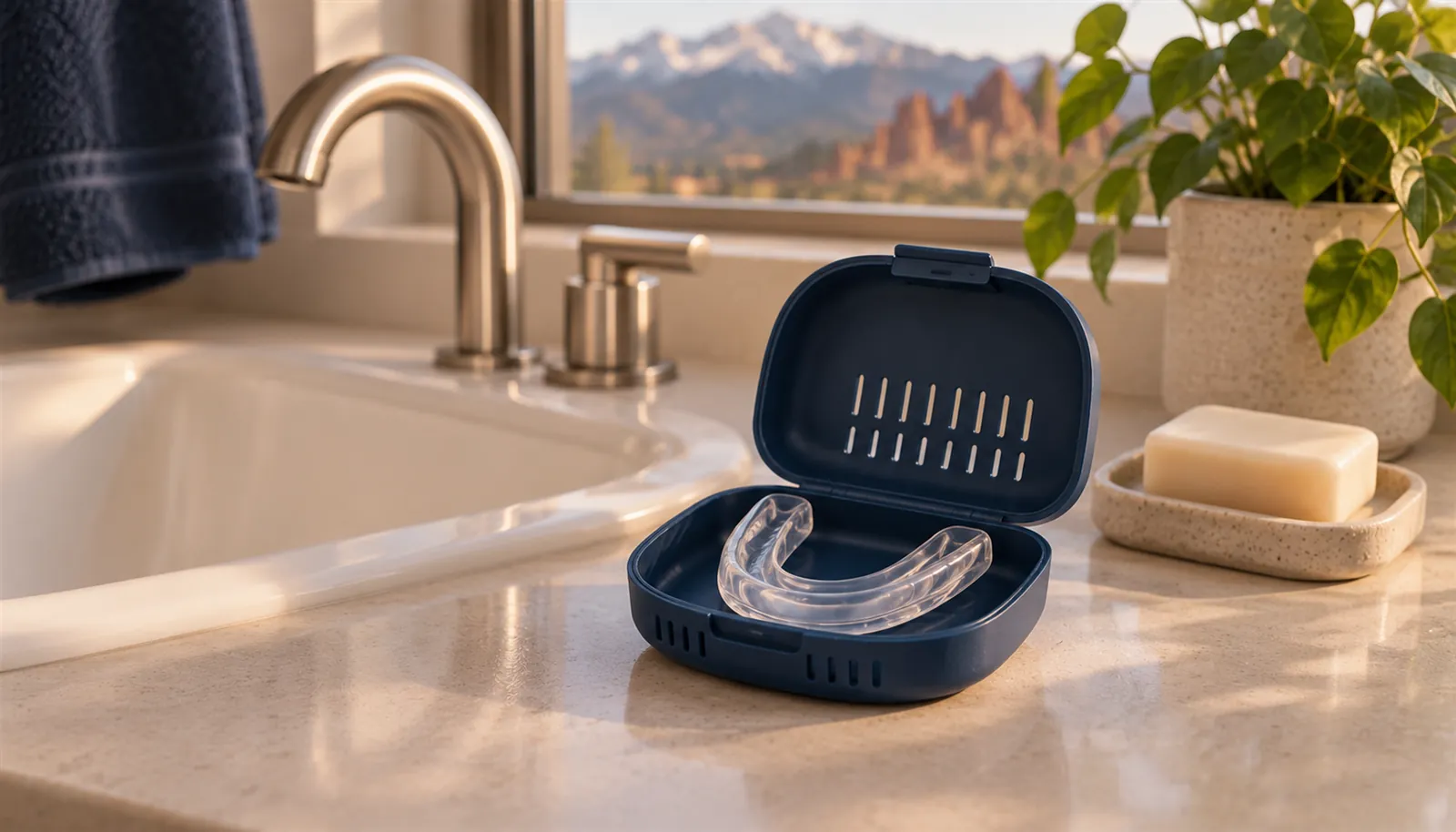
Cleaning your night guard every day keeps it fresh and helps it last. Cleveland Clinic and the American Dental Association (ADA) suggest a simple routine. Brush your teeth before you put the guard in. In the morning, rinse it in cool water and scrub it gently with a soft brush and mild soap. Then let it air dry.
Keep heat away from it. Hot water, dishwashers, and direct sun can warp the guard. Store it in a sturdy, vented case so it can dry, and keep it away from pets, who love to chew them.
Custom guards can last several years with good care. Store-bought guards may need replacing a few times a year. Replace any guard that is cracked, thin, or no longer fits well.
- Rinse cool, brush gently, air dry
- No hot water, dishwasher or sun
- Store in a vented case away from pets
Grinding, snoring and your next step

Grinding is not always just a teeth problem. Mayo Clinic notes that people who grind during sleep are more likely to snore and have sleep apnea, and that treating sleep apnea may improve sleep bruxism. If you grind and also snore loudly, wake up gasping, or feel tired during the day, ask your doctor about a sleep test. A home sleep test is often a simple place to start.
Our dentists look at your teeth, jaw, and airway together. Both hold credentials in dental sleep medicine. Learn more about sleep apnea treatment, or read about TMJ treatment options if jaw pain is part of the picture.
Live outside Colorado Springs? We help out-of-town patients plan their visits, including scans and fittings.
Even a small change can help. Cutting back on caffeine after dinner, skipping alcohol in the evening, and winding down before bed may ease grinding for some people, according to Mayo Clinic.

Diplomate, American Board of Dental Sleep Medicine since 2018. Member, American Academy of Craniofacial Pain.
Sources
- Mayo Clinic. Teeth grinding (bruxism): symptoms and causes.
- Mayo Clinic. Teeth grinding (bruxism): diagnosis and treatment.
- Cleveland Clinic. Mouth guards: types and purpose.
- Cleveland Clinic Health Essentials. Should you use a mouthguard for TMJ relief?
- American Dental Association, MouthHealthy. Mouthguards.
This article is general information, not medical advice. Every person is different. Talk with your doctor or book a consult about your own care.