The short answer
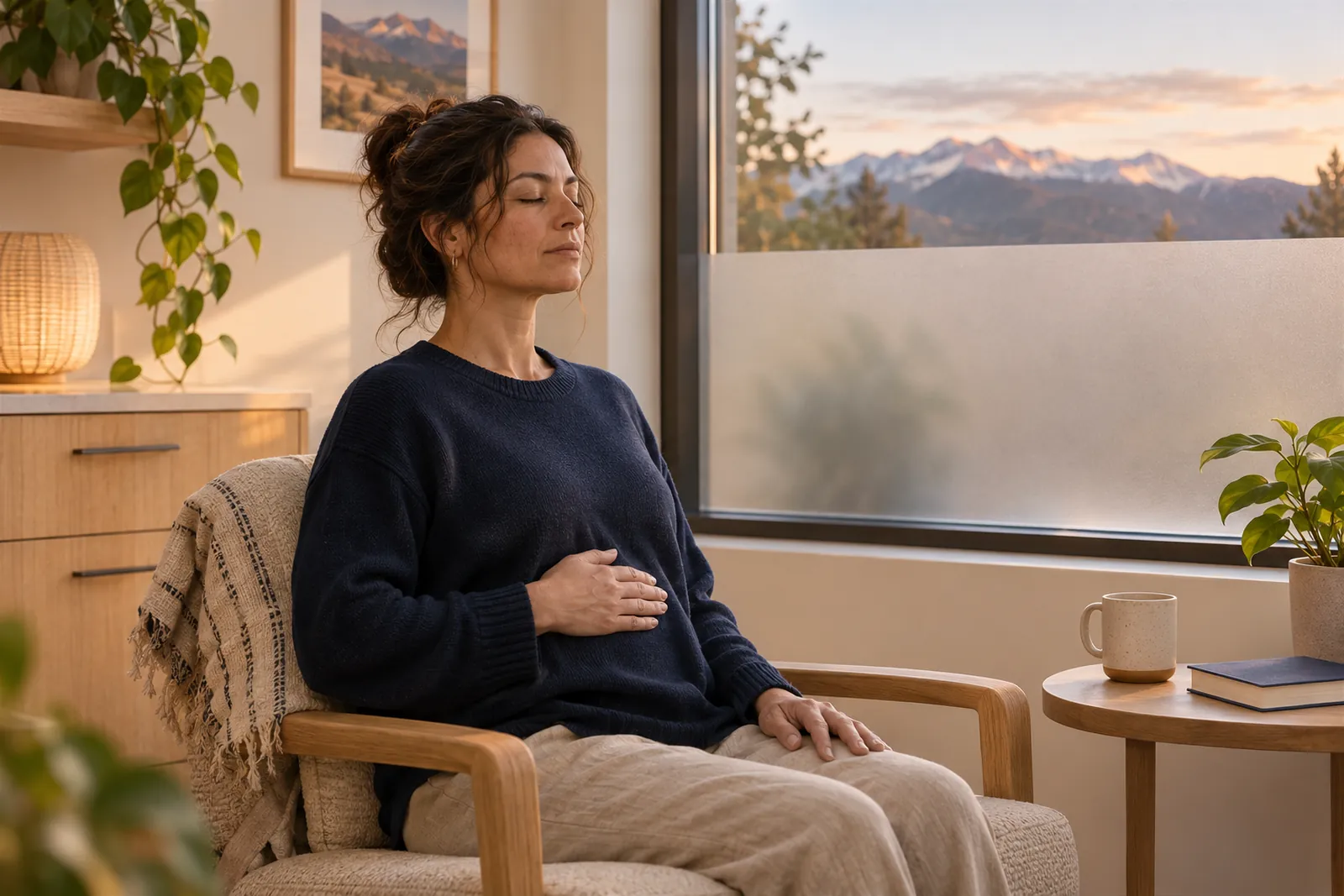
- Buteyko breathing is a set of exercises for slow, light breathing through the nose, with short, gentle breath holds.
- Research suggests it may ease asthma symptoms, but the evidence is low certainty. There are no good studies for sleep apnea.
- It can support nasal breathing habits. It doesn't replace sleep apnea treatment like an oral appliance or CPAP.
Buteyko breathing gets a lot of attention online, often with big promises about snoring, sleep apnea, and energy. Some people find it calming and helpful. But it's fair to ask what the research actually shows before you try it.
This guide explains what the Buteyko method is, how it works, and what studies say about asthma and sleep apnea. We'll be plain about what's known and what isn't. Our own Dr. Williams trained with Buteyko Clinic International, and we use breathing retraining as one part of care, not the whole plan.
What is Buteyko breathing?

Buteyko breathing is a set of daily exercises that teach you to breathe more slowly and lightly, through your nose. It's also called the Buteyko method. A doctor named Konstantin Buteyko developed it in the 1950s.
Dr. Buteyko believed that many health problems came from over-breathing. Over-breathing, also called hyperventilation, means taking in more air than your body needs. He thought this lowered carbon dioxide in the blood and could tighten the airways. A 2024 review for the Australian government notes that this idea has not been proven.
Even so, many people use the method today for asthma, anxious breathing, snoring, and mouth breathing. It's taught by trained instructors, often over a few sessions, with practice at home in between. Some programs adapt it for kids, athletes, and people who snore. The core idea stays the same: breathe less, breathe softer, and keep your mouth closed.
How does the Buteyko method work?

The Buteyko method works by training you to breathe less air, more gently, and always through the nose. Most programs use three main parts.
First is nose breathing, day and night, including during exercise when you can. Second is reduced breathing, which means relaxing the belly and chest and taking smaller, softer breaths. Third is gentle breath holds. One common breath hold is the "control pause," where you breathe out normally, hold your nose, and time how long you can comfortably wait before you need to breathe in.
Instructors use the control pause to track progress. The idea is that as your breathing gets calmer, the pause gets longer. The exercises should feel easy, not like a test of willpower. If a breath hold makes you gasp or feel panicky, it's too much. Many people pair the exercises with simple habits, like noticing their breathing during the day and keeping the lips closed while reading or walking.
- Breathe through the nose, day and night
- Take smaller, softer, slower breaths
- Use short, comfortable breath holds
What does research say about asthma?

The best evidence for Buteyko breathing is for asthma symptoms, and even that evidence is limited. In 2024, Cochrane Australia reviewed the research for the Australian government. It found that Buteyko may reduce asthma symptoms, based on six small trials. The certainty of that evidence was rated low.
The same review found the effects on lung function and quality of life were very uncertain. Most trials were small, short, and had design problems. The reviewers also suspected some results were left unpublished.
A 2020 Cochrane review looked at breathing exercises for adults with asthma more broadly. Only two of its 22 studies tested Buteyko. Breathing exercises as a group may improve quality of life and over-breathing symptoms. Breathing exercises are meant to go with asthma care, not replace it. Don't change your asthma medicines without talking with your doctor. In short, Buteyko may be worth trying for asthma as an add-on, with modest hopes. The research simply isn't strong enough yet to say how much it helps, or for whom.
Does Buteyko help sleep apnea?
We don't know, because it hasn't been well studied. The 2024 review searched for trials of Buteyko for any health condition and found none for sleep apnea that met its standards. So there is no good evidence yet that Buteyko breathing treats sleep apnea.
That matters, because obstructive sleep apnea (OSA) is a physical problem. The airway narrows or closes during sleep, often because the jaw, tongue, and soft tissues fall back. Breathing exercises done while you're awake may not change what happens to your airway when your muscles relax at night.
A related approach has a little more research. Myofunctional therapy uses exercises for the tongue, mouth, and throat. A 2015 review of small studies found it lowered sleep apnea severity by about half in adults. Those studies were small, and results vary. Neither approach should replace a proven treatment for moderate or severe sleep apnea. Untreated sleep apnea is linked to high blood pressure, heart problems, and daytime sleepiness, so getting the right treatment matters.
Where breathing retraining can fit in

Breathing retraining can be a helpful add-on. For people who mouth breathe, nose breathing practice may help build a new habit. For people who feel short of breath when anxious, slower breathing may feel calming. Some people with mild snoring find it helps them keep their mouth closed at night.
In our office, we use breathing retraining alongside other care. A patient might wear a custom oral appliance for sleep apnea and also practice nasal breathing exercises during the day. A child might do tongue and breathing exercises while wearing an expander. Dr. Williams trained with Buteyko Clinic International and brings that training into these plans.
We'll be honest about what to expect. Breathing exercises take daily practice, and the benefits are different for everyone. If they don't help you, we'll talk about other options. We also check for things that make nose breathing hard, like a narrow upper jaw, a tongue tie, or a stuffy nose, since exercises work best when the nose is clear.
Is Buteyko breathing safe to try?

For most healthy people, Buteyko breathing is gentle and low risk, but a few cautions make sense. Still, a few cautions make sense. The key word is gentle. Breath holds should never strain you, make you dizzy, or leave you gasping. If they do, stop and breathe normally.
It's smart to check with your doctor first if you have a heart or lung condition, are pregnant, or have asthma that isn't well controlled. Keep taking your medicines as prescribed. Learning from a trained instructor helps you do the exercises the right way.
Some people also tape their mouth shut at night to force nose breathing. Be careful. Cleveland Clinic experts warn that mouth taping may do more harm than good, especially if you snore or may have sleep apnea. Get checked for sleep apnea before you try it. Gentle daytime practice, a clear nose, and good sleep habits are a safer place to start.
When to get checked for sleep apnea
If you snore most nights, wake up tired, or someone has seen you stop breathing or gasp in your sleep, get a sleep test before you rely on breathing exercises. A home sleep test is an easy first step for many adults.
If you do have sleep apnea, there are proven options. Many adults use CPAP. Others choose a custom oral appliance, which holds the jaw slightly forward. Learn more about sleep apnea treatment, read why some people can't tolerate CPAP, and see what mouth breathing does to the face.
Our office is in Colorado Springs, and we help out-of-town patients plan their visits. Bring any sleep tests and notes about your breathing to your consult. We'll look at your airway, jaw, tongue, and nose, then explain your options in plain words. If breathing retraining fits your plan, we'll show you where to start.
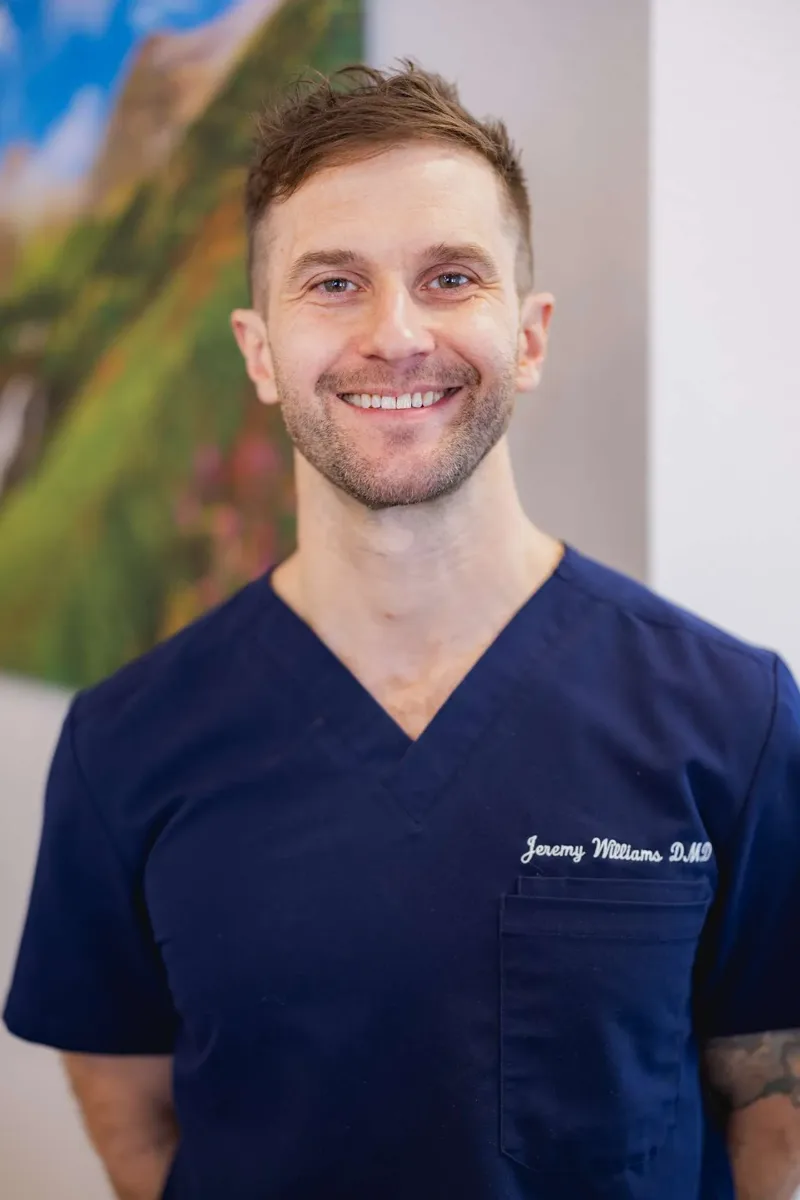
Qualified Dentist, American Academy of Dental Sleep Medicine. Top Vivos VIP Provider and The Breathe Institute Ambassador.
Sources
- Cochrane Australia for the NHMRC. Buteyko for any health condition: systematic review report (Natural Therapies Review), 2024.
- Santino TA, et al. Breathing exercises for adults with asthma. Cochrane Database of Systematic Reviews, 2020.
- Camacho M, et al. Myofunctional therapy to treat obstructive sleep apnea: a systematic review and meta-analysis. Sleep, 2015.
- Cleveland Clinic Health Essentials. Mouth breathing vs. nose breathing.
This article is general information, not medical advice. Every person is different. Talk with your doctor or book a consult about your own care.