The short answer
- CPAP intolerance is common. Mask fit, pressure, dryness, and feeling closed in are the usual reasons.
- Small fixes help many people, so talk to your sleep doctor before you stop.
- If CPAP still doesn't work, a custom oral appliance is a well-studied option for many adults.
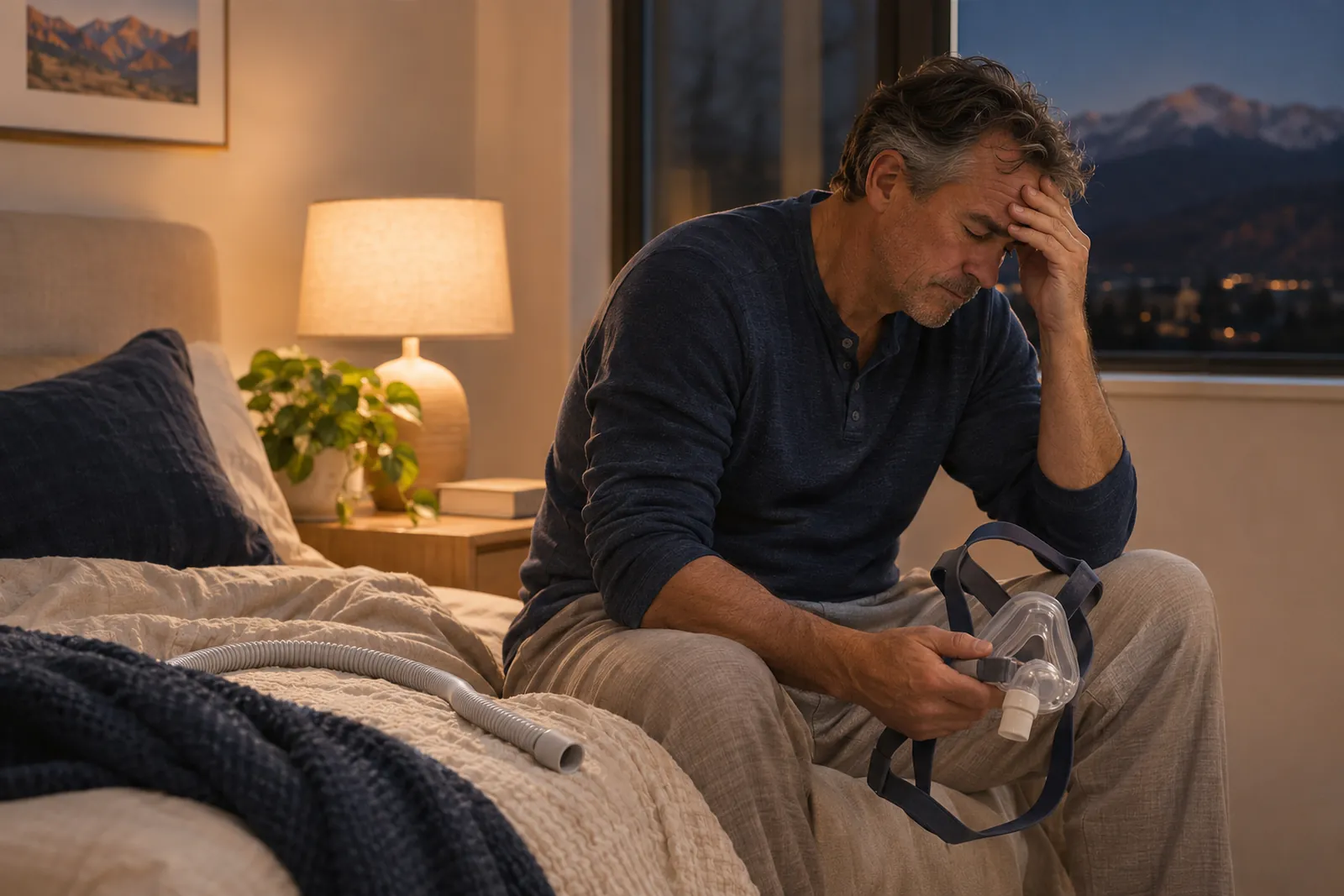
If you've tried CPAP and can't stand it, you're far from alone. Studies often find that many people stop using CPAP regularly within the first year. That doesn't mean you failed. It usually means the setup doesn't fit you yet, or CPAP isn't the right tool for you.
CPAP intolerance means you can't use your machine often enough, or long enough each night, for it to treat your sleep apnea well. Some people take the mask off at 2 a.m. without knowing it. Others never fall asleep with it on at all.
This guide covers why CPAP is hard for some people, what you can try first, and the other treatment options for obstructive sleep apnea. Obstructive sleep apnea (OSA) means your airway keeps narrowing or closing while you sleep, so your breathing stops and starts.
Why is CPAP so hard to use?
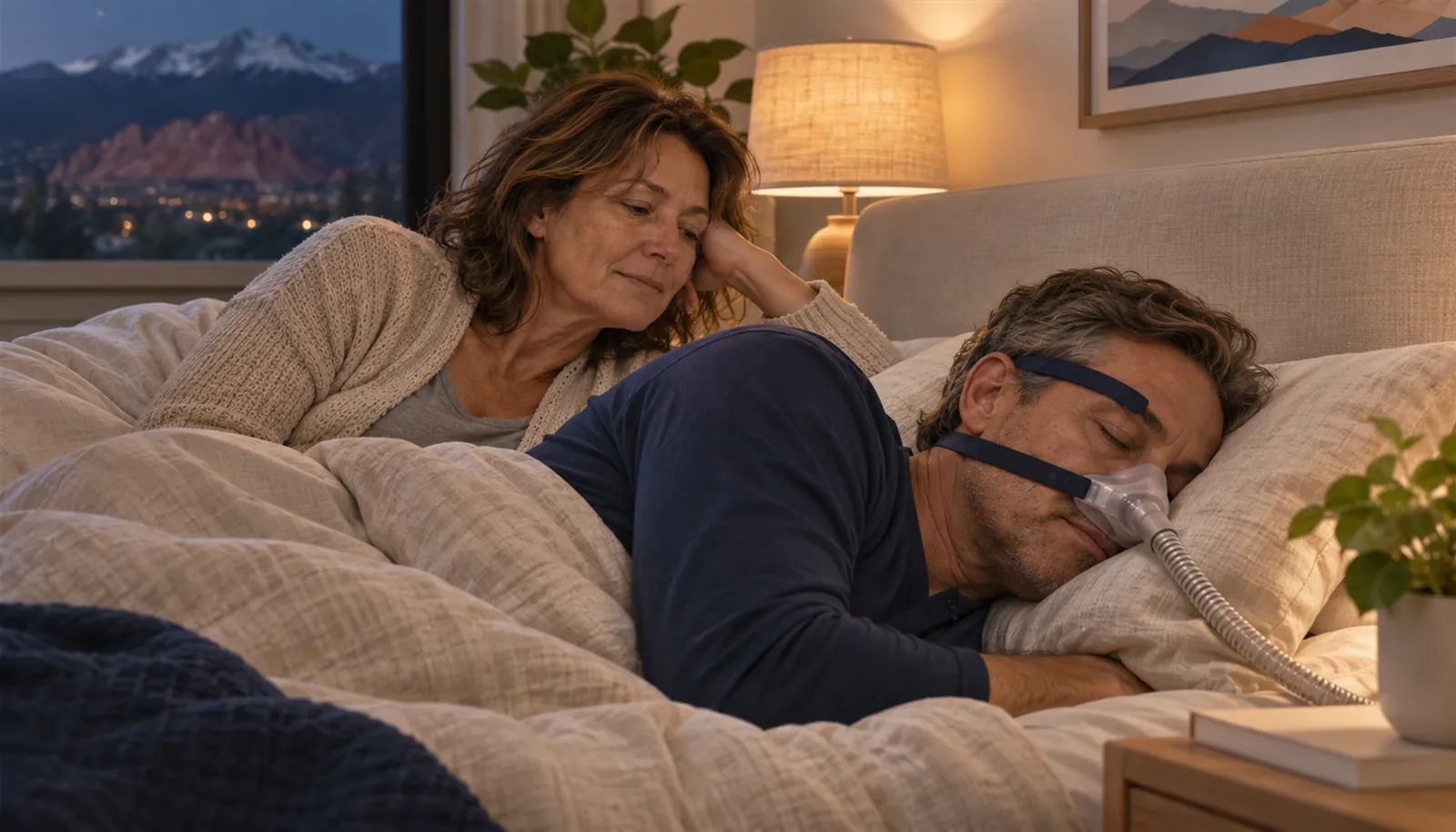
CPAP is hard for many people because it asks a lot of you every single night. CPAP (continuous positive airway pressure) blows a steady stream of air through a mask to keep your airway open while you sleep. When it works, it works well.
People who can't tolerate CPAP usually name the same few problems. The mask leaks or leaves marks. The air pressure feels like too much. Your nose or mouth gets dry. Or you simply can't fall asleep with something strapped to your face.
Life gets in the way, too. A cold makes your nose stuffy. A camping trip means no power outlet. A partner gets tired of the hiss. Each small problem makes it easier to skip a night, and skipped nights add up fast.
Some people also feel bloated in the morning because air slips into the stomach. Others feel more tired at first, not less, while their body adjusts. None of this means you did something wrong. It means your setup needs a closer look.
- Mask leaks, marks, or pressure sores
- Dry mouth, stuffy nose, or bloating from air
- Feeling closed in, or noise that wakes a partner
Fixes to try before you quit
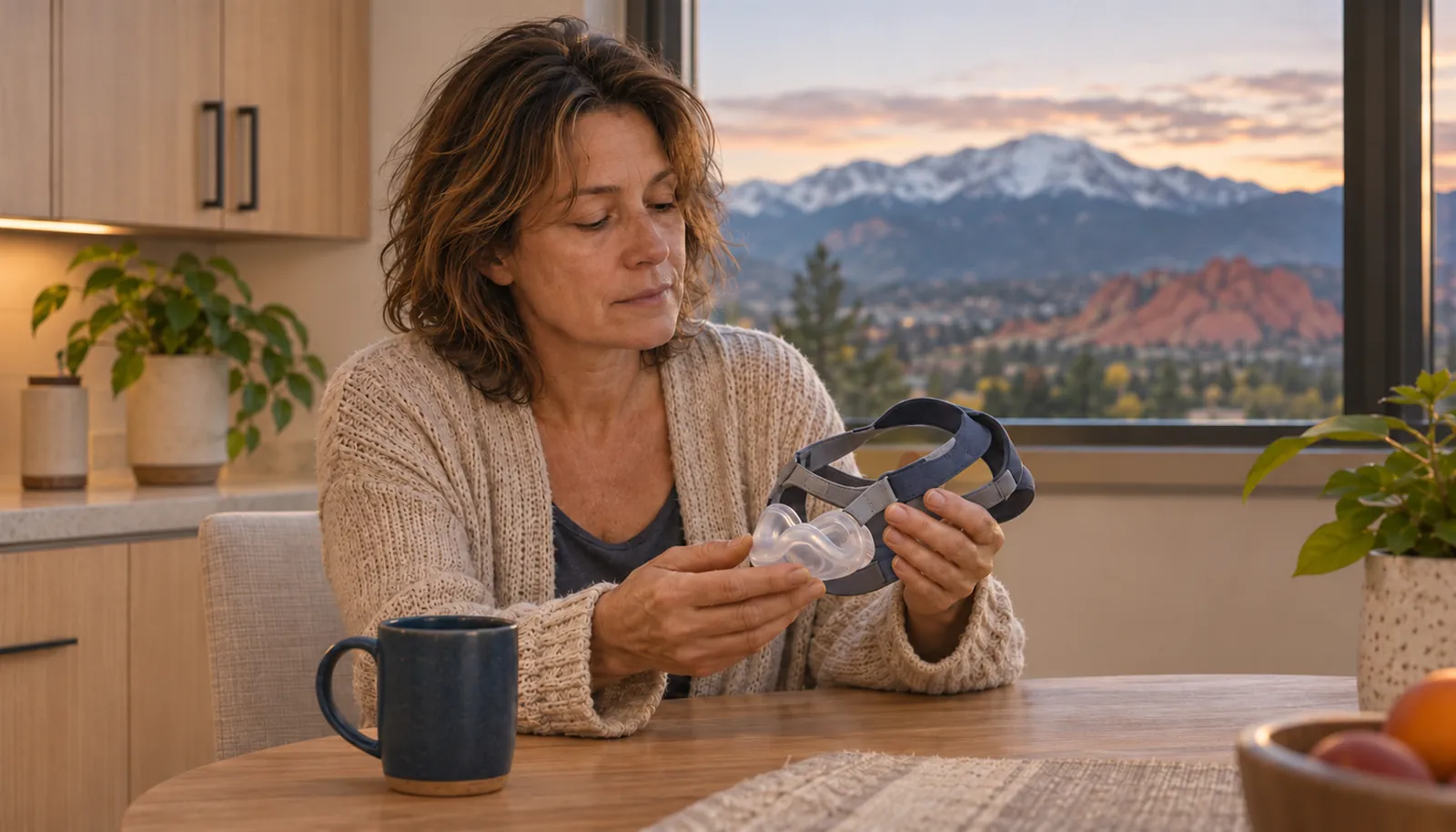
Before you give up, call the doctor or team who set up your CPAP. Many problems have simple fixes. A different mask style, such as nasal pillows instead of a full face mask, can stop leaks and help you feel less closed in. A mask that fits well shouldn't hurt or hiss.
A heated humidifier can ease dryness, and a saline nose spray at bedtime may help a stuffy nose. If your mouth falls open, a chin strap or a full face mask can keep the air from escaping. Many machines also have a ramp setting. It starts at a low pressure and slowly rises after you fall asleep.
Your machine also keeps a record of how many hours you use it and how much the mask leaks. Ask your team to look at that data with you. It often points to the real problem. Sometimes the fix is as simple as a new cushion, because mask parts wear out and start to leak over time.
Can't sleep with a CPAP mask?
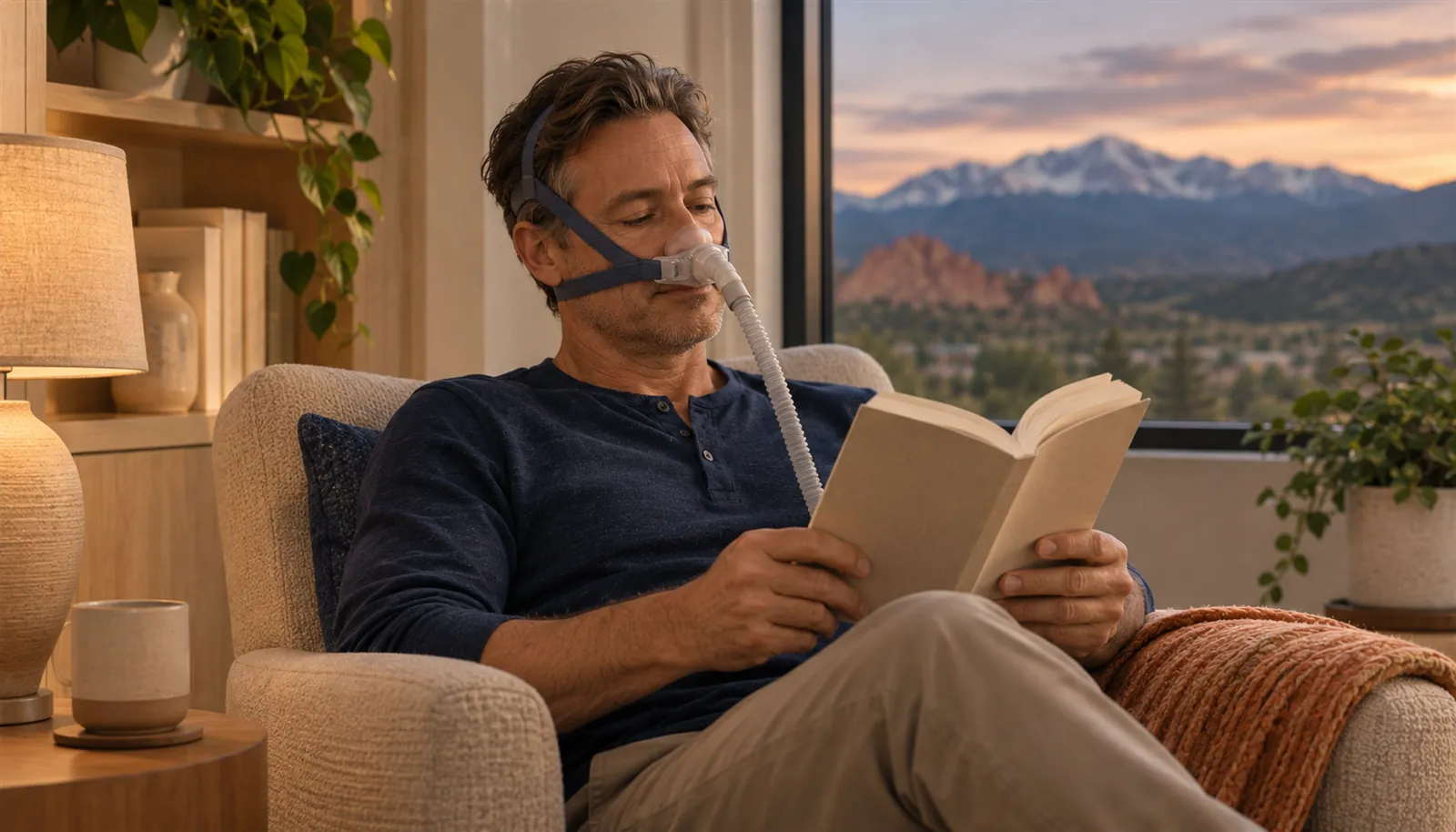
If you can't sleep with a CPAP mask on, start by practicing while you're awake. That's one of the most common tips from sleep teams. Hold the mask to your face for a few minutes while you watch TV. Then add the straps. Then turn on the air.
This slow approach helps your brain learn that the mask is safe. Feeling closed in, also called claustrophobia, is a common reason people quit. Slow breathing and a smaller mask style may help. So can putting the mask on a little before bedtime, instead of right as you turn off the light.
Good sleep habits help, too. Skip caffeine late in the day and alcohol near bedtime. Keep the same bedtime each night. If you still lie awake for hours, tell your sleep doctor. Insomnia can make CPAP much harder, and it can be treated on its own.
Is part-night CPAP use enough?
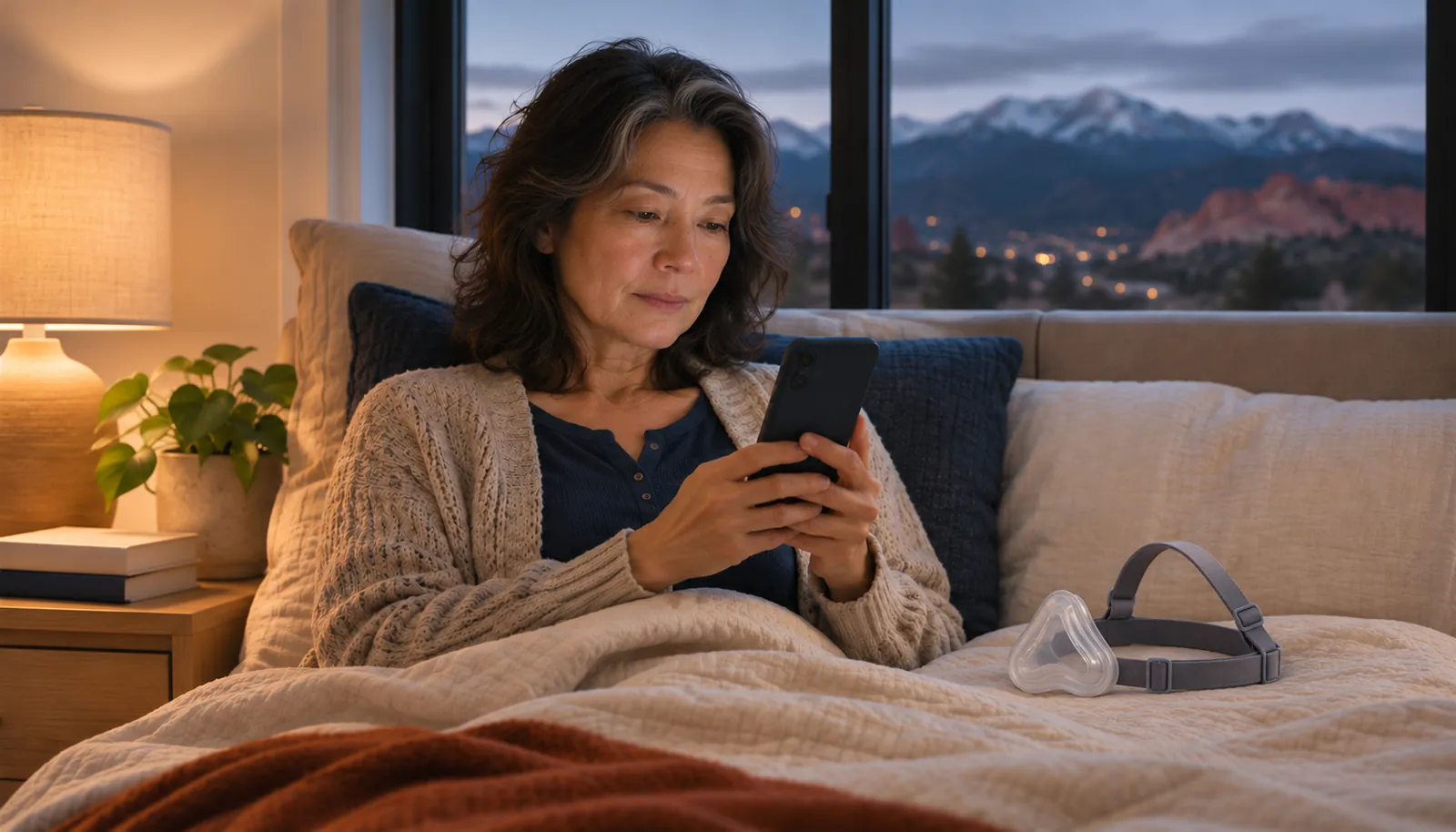
Part-night use is better than none, but it may not be enough to treat your sleep apnea well. Sleep apnea doesn't stop when the mask comes off. Many people take it off in the early morning, which is when long, deep dream sleep often happens.
It's normal to wake up once in a while and find the mask on the floor. If it happens most nights, it's a sign something isn't working. The mask may leak, the pressure may be wrong, or you may be waking up from dryness.
Be honest with your sleep doctor about how much you really use it. There's no shame in it. That number helps them decide whether to adjust your setup or look at other treatments with you. If you wake up and find the mask off, try putting it back on instead of giving up for the night.
What if CPAP still doesn’t work?
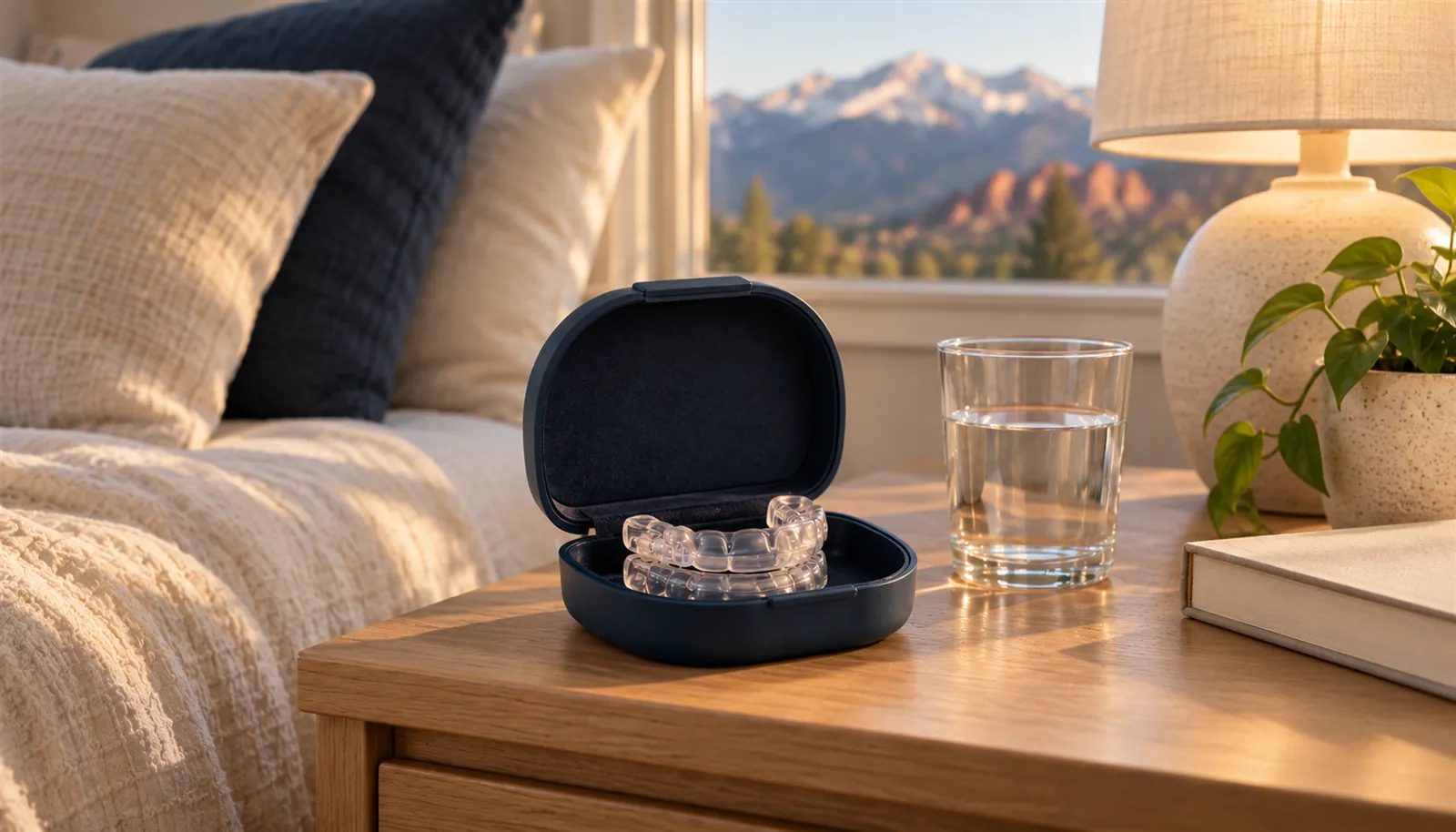
If CPAP still isn't working after real effort, you have other options. For many adults with obstructive sleep apnea, the most common one is a custom oral appliance. It's a thin mouthpiece, made from scans of your teeth, that holds your lower jaw slightly forward so your airway stays more open.
Medical guidelines from the American Academy of Sleep Medicine and the American Academy of Dental Sleep Medicine support oral appliance therapy for adults who can't tolerate CPAP or would rather use something else. The same guideline suggests a custom, adjustable device made by a qualified dentist.
Other paths include positional therapy, weight changes, and surgery or nerve implants such as Inspire for some people. Your sleep doctor can help you weigh them. The right choice depends on how severe your sleep apnea is, the shape of your airway, your overall health, and what you will actually use night after night.
- Custom oral appliance therapy
- Sleeping position changes and weight care
- Surgery or implants for some people
How an oral appliance compares

CPAP is often more effective at lowering breathing pauses, especially for severe sleep apnea. But a treatment only helps if you use it. Many people wear an oral appliance more nights than they used CPAP, because it's small, quiet, and easy to travel with. There's no hose, no mask, and no power cord.
An oral appliance isn't right for everyone. It needs healthy teeth and gums, and it's adjusted step by step. Some people notice jaw soreness or a slight bite change, so we check on you over time. A follow-up sleep test shows how well it's working.
You put it in at bedtime and take it out in the morning. Most people need some practice nights to get used to it, and that's normal. We make small changes to the fit and the jaw position until it feels right and does its job.
Learn more about how an oral appliance works and whether a custom mouthpiece might fit you.
Your next step
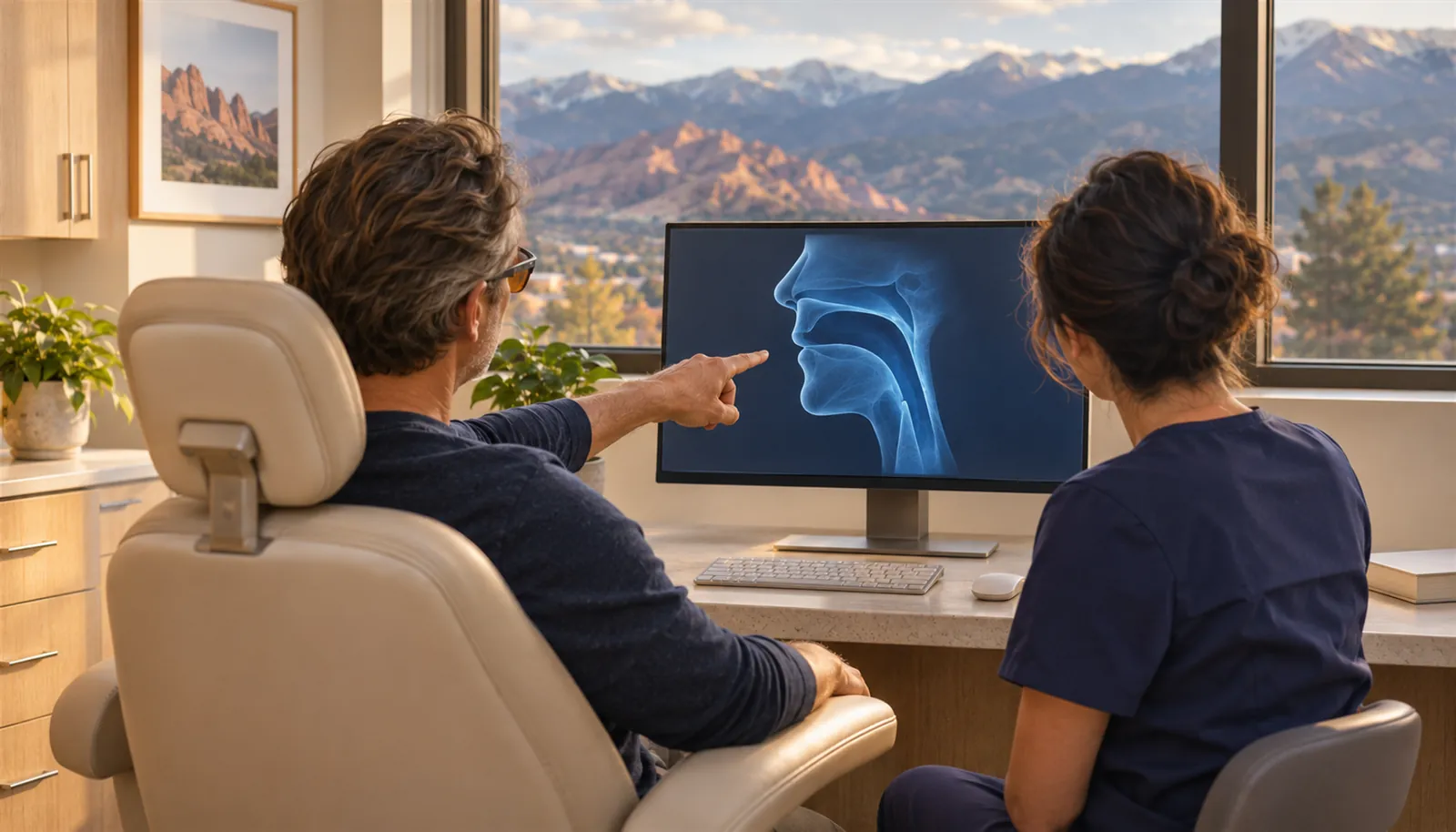
If you live in or near Colorado Springs, our sleep dentists can check whether an oral appliance fits you. We'll look at your sleep study, airway, jaw, and bite, then explain your options in plain words. Bring your CPAP history and any sleep test results to your consult. We'll ask what bothered you most about CPAP, because that helps us choose the right appliance design for you. We explain costs at your consult, too.
We also work with your sleep doctor, so your care stays connected. If an oral appliance isn't a good fit for you, we'll say so and help you think through what to ask your sleep doctor next. Every person is different, so results vary, and we'll be honest about what we think will help.
Coming from farther away? We help out-of-town patients plan their visits, too. You can also read more about CPAP alternatives before you call.
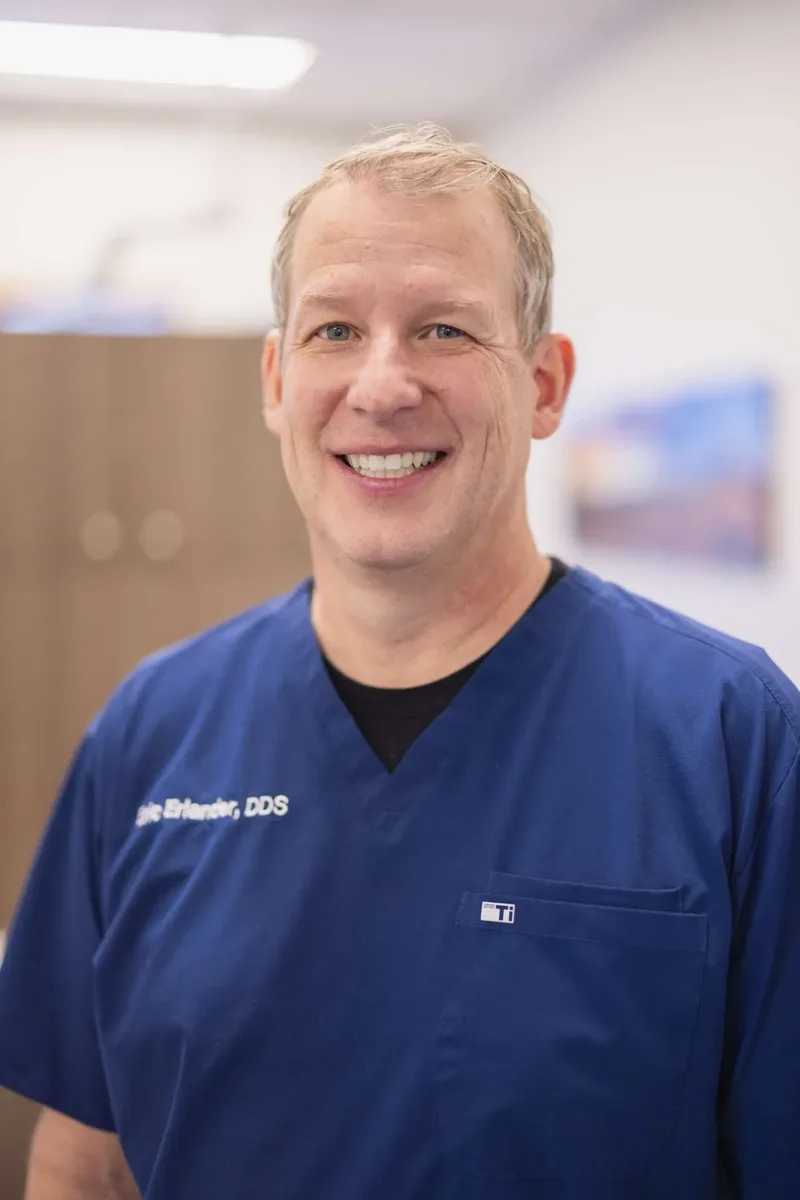
Diplomate, American Board of Dental Sleep Medicine since 2018. Member, American Academy of Craniofacial Pain.
Sources
- Ramar K, et al. Clinical practice guideline for the treatment of OSA and snoring with oral appliance therapy. J Clin Sleep Med, 2015.
- Weaver TE, Grunstein RR. Adherence to continuous positive airway pressure therapy. Proc Am Thorac Soc, 2008.
- Mayo Clinic. CPAP machines: Tips for avoiding 10 common problems.
This article is general information, not medical advice. Every person is different. Talk with your doctor or book a consult about your own care.