The short answer
- A palate expander slowly widens a narrow upper jaw. It works best in kids, while the two halves of the palate have not yet fused.
- Most people feel pressure and some soreness for a few days, not sharp pain. Soft foods help.
- Adults can widen too, but often need a different, anchored approach. See adult palatal expansion.
A palate expander is a small device that sits in the roof of the mouth and gently widens the upper jaw. Many parents hear about one at a checkup. Many adults find one online while reading about breathing, crowding, or sleep. Either way, it helps to know what you are signing up for before treatment starts.
This guide explains how a palate expander works, how it differs for kids and adults, what it feels like, how to eat with one, and what before and after changes are realistic. We also cover the "palate expander ruined my face" worry, calmly and with real research.
What is a palate expander?
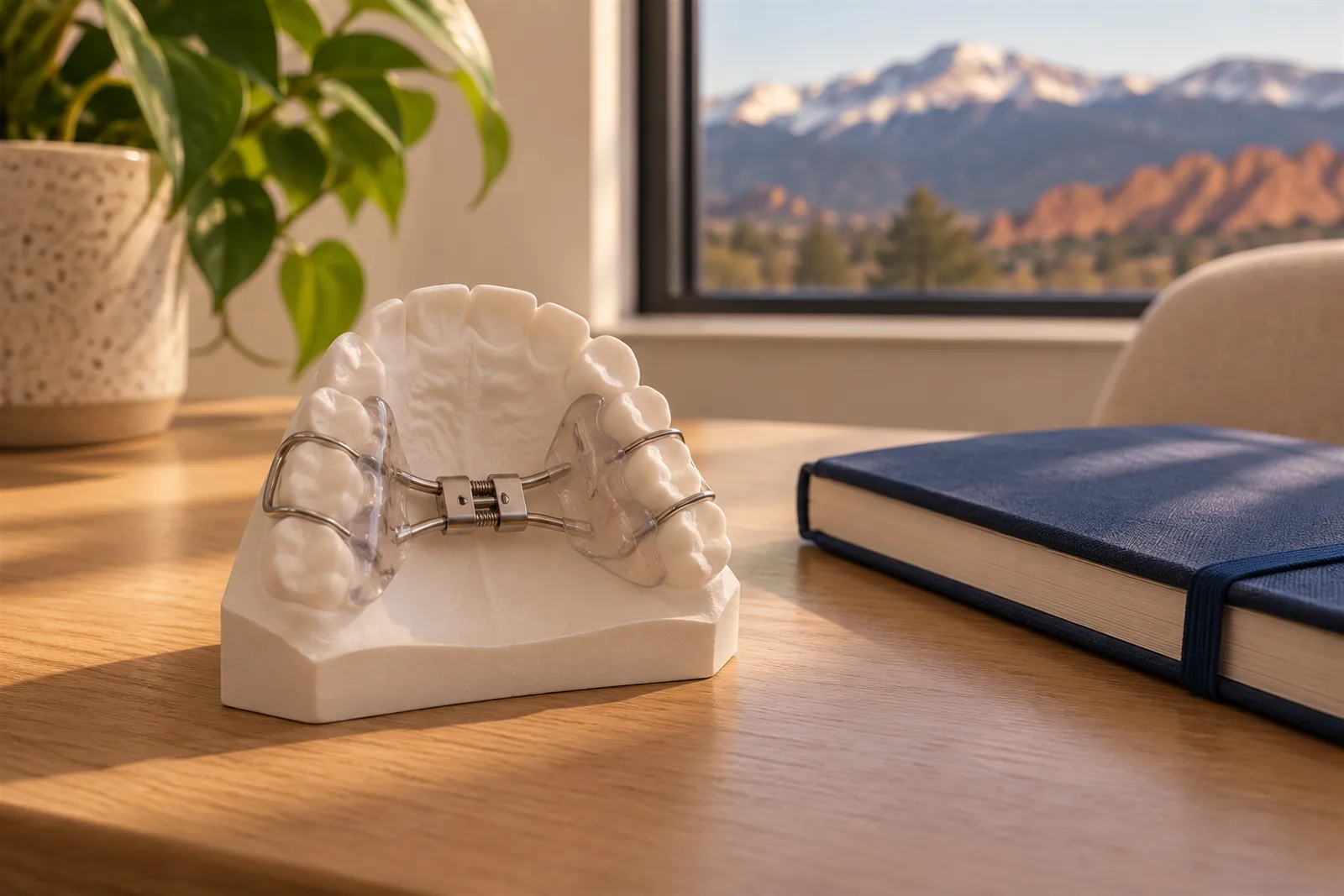
A palate expander is a dental appliance that widens a narrow upper jaw. Your palate is the roof of your mouth. It also forms the floor of your nose. When it is narrow, the upper teeth can crowd, the bite can cross over, and there may be less room for the tongue.
Most expanders attach to the upper back teeth and have a small screw in the middle. Some are fixed in place, and some are removable. The goal is not to push teeth around. The goal is to make the upper jaw itself wider, so the teeth and tongue have more space.
Palatal expansion is a common treatment, and it is used most often in children. Cleveland Clinic notes it can also widen the nasal cavity a little, which may lower resistance to airflow through the nose.
- Widens a narrow upper jaw
- Gives teeth and tongue more room
- Used most often in growing kids
How does a palate expander work?
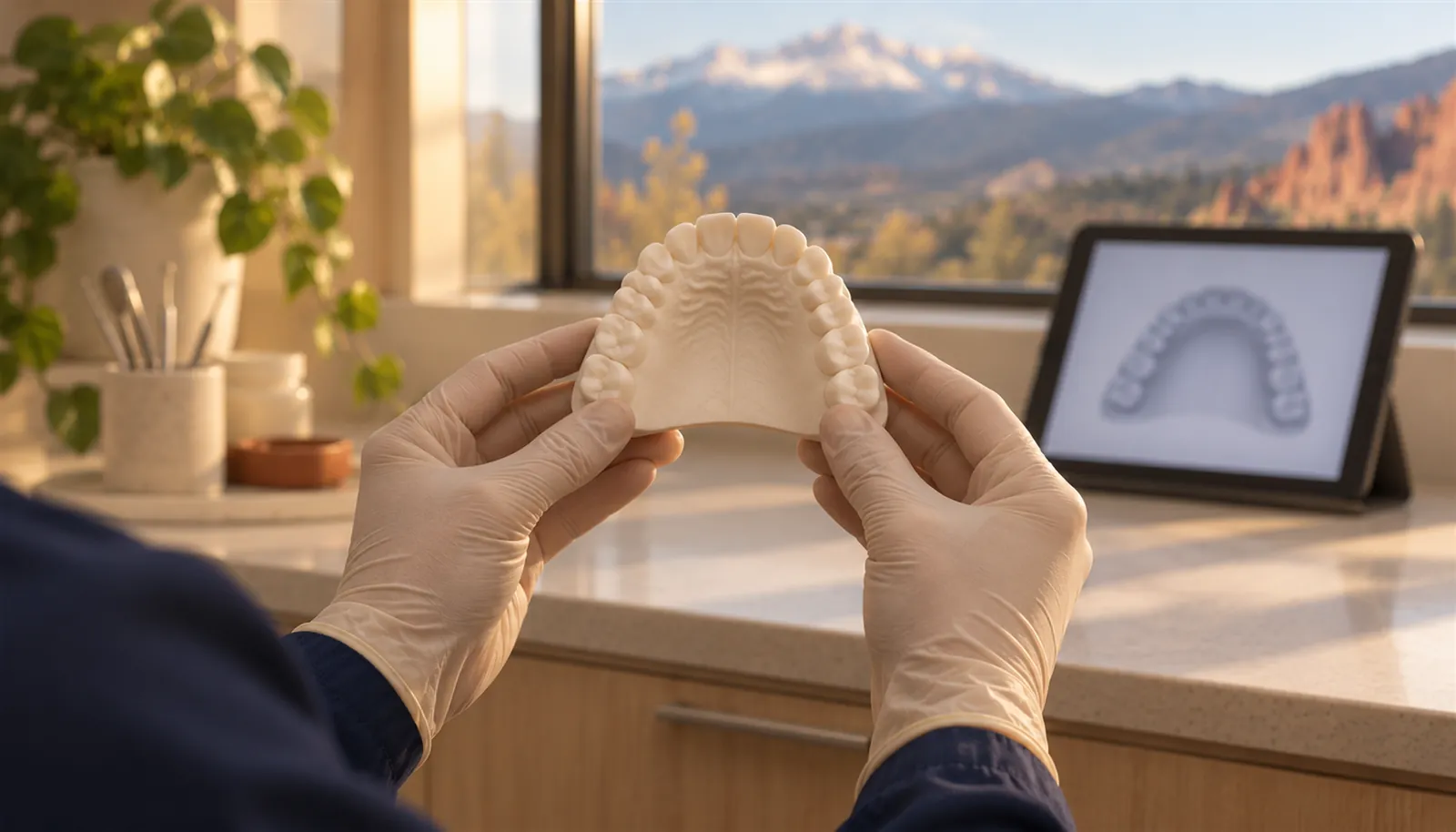
A palate expander works by putting gentle, steady pressure on both sides of the upper jaw. In kids, the upper jaw is made of two halves joined by a seam of growing tissue down the middle. The expander slowly separates the two halves along that seam.
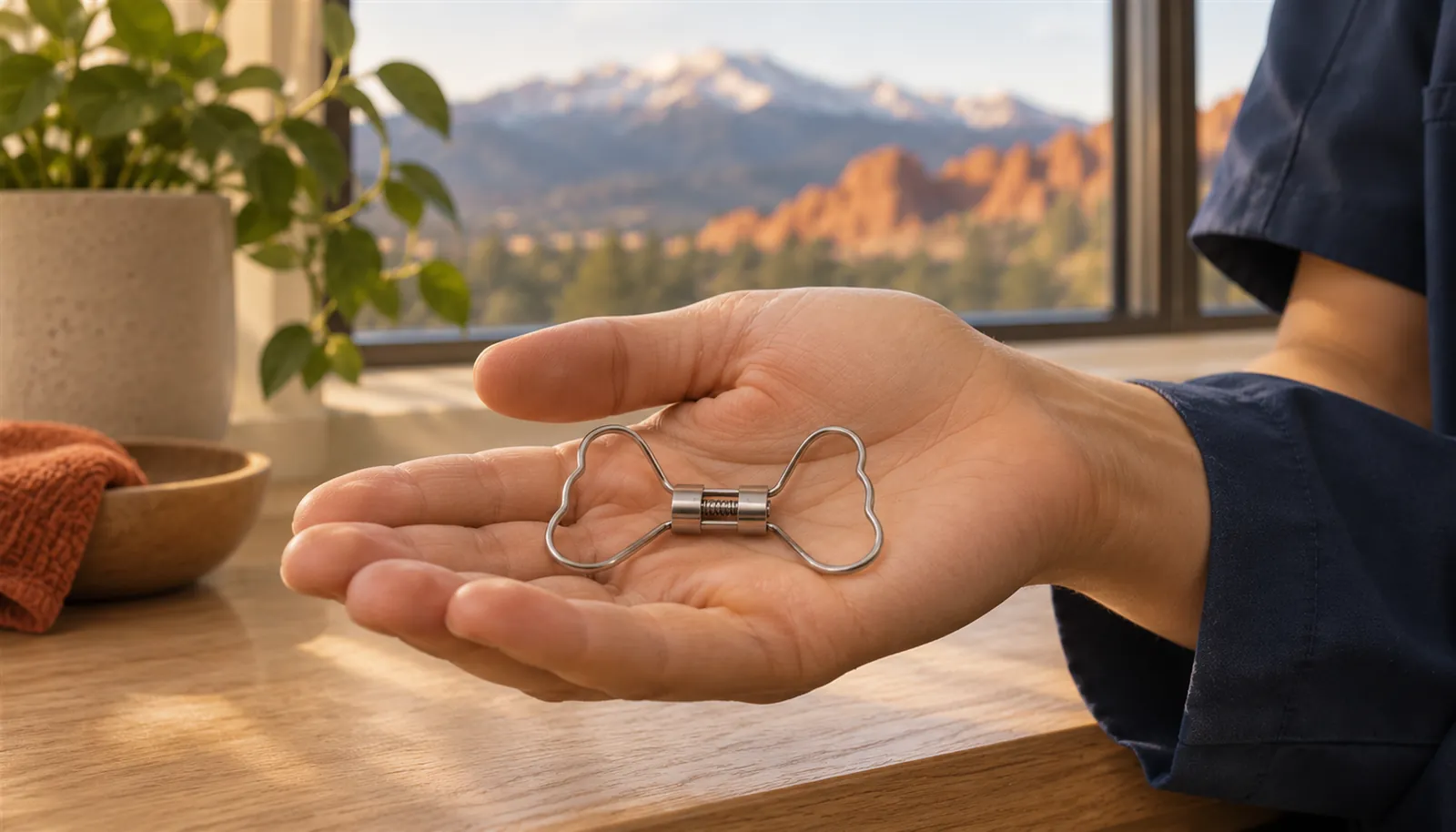
Most expanders have a small key that you turn on a set schedule. Each turn opens the screw a tiny amount. Over time, the body fills the gap with new bone. Once the jaw reaches the planned width, the expander usually stays in place for a while so the new bone can settle.
Your dentist sets the turning plan for each person. Every person is different, so the number of turns and the time in the mouth will vary. Never turn more than you were told, and call the office if the key or device seems loose.
Removable expanders work the same way, but you take them out to eat and clean. They only work while they are in, so wearing them as directed matters a lot.
Widening a palate: kids vs adults

If you are wondering how to widen a palate, the answer depends a lot on age. In children, the seam in the middle of the palate is still open and flexible. That is why a standard expander often works well and fairly quickly in kids. At our office, we widen the lower jaw too, not just the palate, to give the tongue more room. Our kids airway and jaw expansion page explains how we look at growth, breathing, and sleep together.
In teens and adults, that seam becomes stiffer and more fused. A standard expander alone may tip the teeth outward more than it widens the bone. Adults usually need an anchored approach. One option uses tiny screws in the palate to hold the expander, often called miniscrew-assisted expansion or MARPE. Another option combines expansion with minor surgery. For adults, our office uses removable Vivos appliances, the DNA or mmRNA, instead.
A 2023 review found miniscrew-assisted expansion worked in most teens and adults studied, though some width relapsed over time and the research quality was low. Learn more about adult palatal expansion.
That is one reason timing matters. Checking how a child's jaw is growing early on gives families more choices, and often a simpler path.
- Kids: the palate seam is still open
- Teens and adults: the seam is stiffer
- Adults often need an anchored expander
Does a palate expander hurt?

Most people describe a palate expander as pressure, not sharp pain. Cleveland Clinic says it is normal to feel minor discomfort for the first few days and some soreness after turns. The pressure may spread to the teeth, the nose, or even under the eyes. It usually fades within a short time after each turn.
Other short-term effects are common, too. Your child may lisp or drool a bit while the tongue gets used to the device. Some people get mild headaches. A small gap may open between the front teeth. That gap is an expected sign the jaw is widening, and it is usually closed later.
Ask your dentist which over-the-counter pain reliever is right, and at what dose. Call the office if pain is severe, if there is swelling, or if the device feels loose or rubs the gums.
Kids often do best when they know what to expect. Talk through it at home, let them watch the key turn on a model, and plan a favorite soft treat for the first night.
- Pressure for a few days is normal
- A gap between front teeth is expected
- Severe pain or swelling means call us
How to eat with a palate expander

Eating with a palate expander gets easier after the first few days. Start with soft foods while the mouth adjusts. Good choices include yogurt, oatmeal, pasta, eggs, soup, mashed potatoes, soft fruit, and smoothies. Cut food into small bites and chew slowly with the back teeth.
Some foods can bend or loosen the device, or get stuck in it. Skip sticky and very hard foods, like gum, caramel, taffy, hard candy, popcorn, nuts, and ice. Crunchy raw veggies are easier cut thin or lightly cooked.
Food likes to hide under an expander, so cleaning matters. Rinse with water after meals. Brush around the device twice a day, and use a water flosser or an oral syringe to flush under it. Keeping it clean helps stop bad breath and sore gums. On sore days, cold foods like yogurt or a smoothie can feel soothing.
- Soft foods for the first few days
- Skip gum, caramel, popcorn and nuts
- Rinse and flush under it after meals
Before and after: will my face change?

A palate expander mainly widens the upper jaw and bite. It does not change the overall look of the face. The upper arch gets wider, crowding often eases, and crossbites can correct. Those are the real before and after changes most people see. You can view examples on our before and after page.
Online, some people say a "palate expander ruined my face." It is worth looking at the research calmly. Cleveland Clinic states that an expander does not change how the face looks. A 2018 review of soft tissue changes in children found small shifts, such as a slightly wider nose and mouth, but most were under one millimeter. The authors said the clinical importance was questionable.
Faces also change a lot as kids and teens grow, with or without treatment. During treatment, a temporary gap or lisp can feel dramatic. If you have a worry about how your face or smile looks, bring photos to your visit and ask. A good provider will talk it through with you.
Palate expander vs braces: what's the difference?
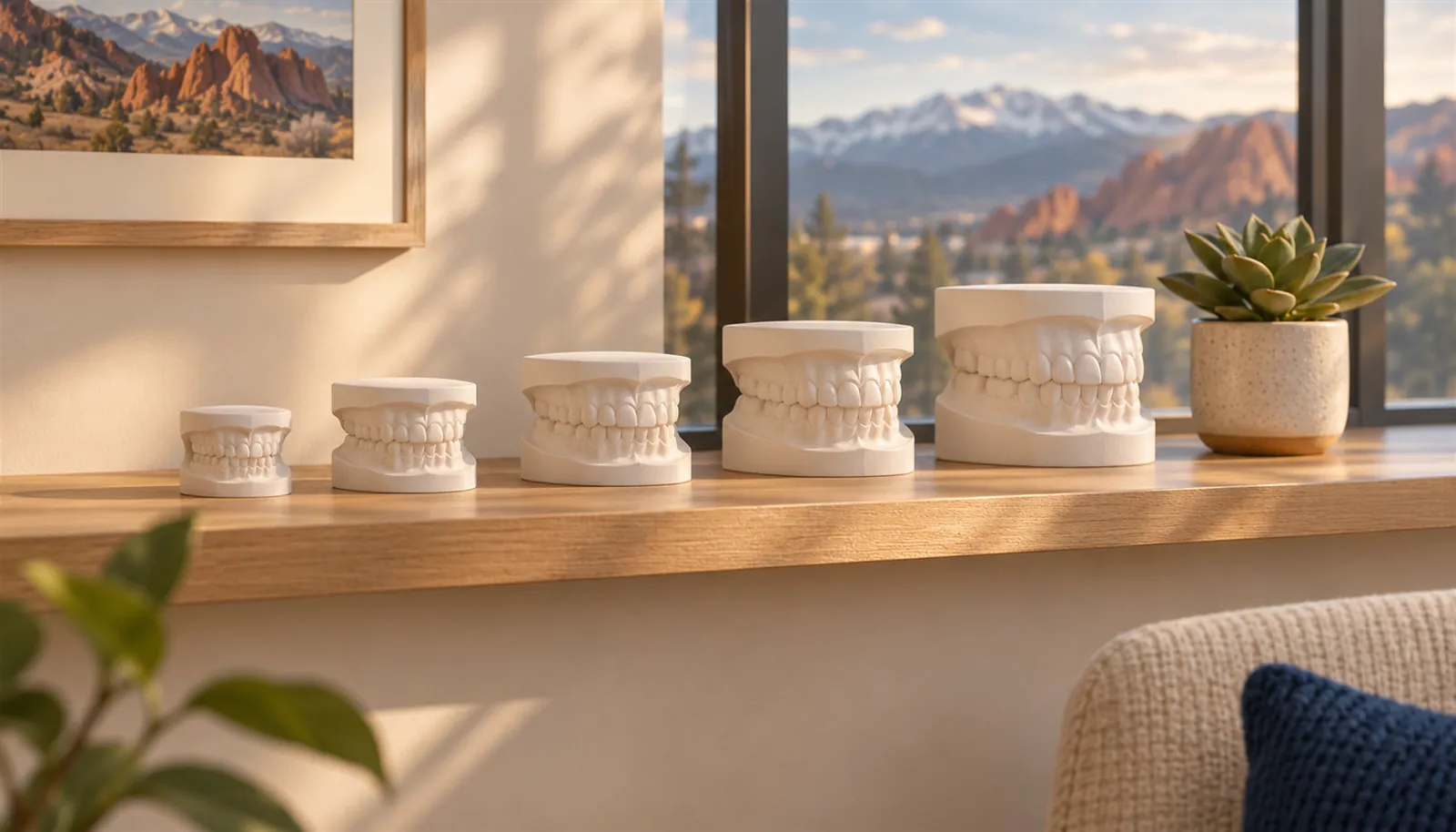
A palate expander and braces do different jobs. An expander widens the upper jaw itself, so there is more room. Braces or clear aligners move each tooth into a better spot inside that room.
Many people need only one of these. Some need both, often with expansion first and tooth alignment after. Widening first can make room for crowded teeth, which may make lining up the teeth easier. Every person is different, so the plan depends on your jaw, bite, and goals.
If you were told you need braces, it is fair to ask whether the jaw is narrow, too. If you were told you need an expander, ask what comes after it. A clear plan from the start helps you know what to expect.
- Expander: widens the upper jaw
- Braces or aligners: line up the teeth
- Some people need both, in order
Cost and your next step

Palate expander cost depends on your plan and needs, and we explain costs at your consult. The type of expander, your age, and what else is part of care all play a role. We will go over your options in plain words before you decide anything.
At your visit, we look at the jaw, bite, airway, and breathing habits. For kids, we also ask about snoring, mouth breathing, and sleep. If your child snores most nights or seems to pause while breathing, talk with your child's doctor about a sleep check. Our article on sleep apnea in children covers the signs, and mouth breathing and the face explains why habits matter.
Coming from outside Colorado Springs? We help out-of-town patients plan their visits, so treatment fits your schedule.
- Cost depends on your plan and needs
- We check jaw, bite, airway and sleep
- Out-of-town families are welcome

Qualified Dentist, American Academy of Dental Sleep Medicine. Top Vivos VIP Provider and The Breathe Institute Ambassador.
Sources
- Cleveland Clinic. Palate expander: uses, types and adjusting.
- Huang J, Li CY, Jiang JH. Facial soft tissue changes after nonsurgical rapid maxillary expansion: a systematic review and meta-analysis. Head Face Med, 2018.
- Zeng W, et al. Long-term efficacy and stability of miniscrew-assisted rapid palatal expansion in mid to late adolescents and adults: a systematic review and meta-analysis. BMC Oral Health, 2023.
This article is general information, not medical advice. Every person is different. Talk with your doctor or book a consult about your own care.