The short answer
- Sleep apnea in children is when a child's airway narrows or closes again and again during sleep. Snoring most nights is the most common sign.
- Many signs show up in the day, like trouble focusing, mood swings, or bedwetting, so they're easy to miss.
- A sleep study confirms it. Removing large tonsils and adenoids is often the first treatment, and dentists can help with jaw growth.
Most parents picture sleep apnea as a grown-up problem. But sleep apnea in children is real, and it often looks different. A child with sleep apnea may not seem sleepy at all. They may seem wired, cranky, or distracted instead.
This guide covers the signs parents often miss, what causes pediatric sleep apnea, how doctors diagnose it, and the main treatment options. It also explains where a dentist trained in airway care fits, alongside your child's pediatrician and ENT. Every child is different, so use this as a starting point for a talk with your child's doctor. We'll keep it practical, so you know what to watch for tonight.
What is sleep apnea in children?

Obstructive sleep apnea (OSA) in children means the airway gets partly or fully blocked, over and over, while the child sleeps. Breathing gets shallow or pauses. Oxygen can dip, and the brain wakes the child just enough to breathe again.
Pediatric sleep apnea isn't rare. The American Academy of Pediatrics (AAP) reports that it affects roughly 1% to 6% of children. It's most often seen between about ages 2 and 6, when tonsils and adenoids are large compared with a small airway.
Kids also breathe differently than adults during apnea. They're more likely to have slow, shallow breathing than long, full pauses. That's one reason it can be hard to spot just by watching. Sleep apnea is also different from the snoring that comes with a cold. It's a pattern that shows up night after night.
Signs parents often miss at night
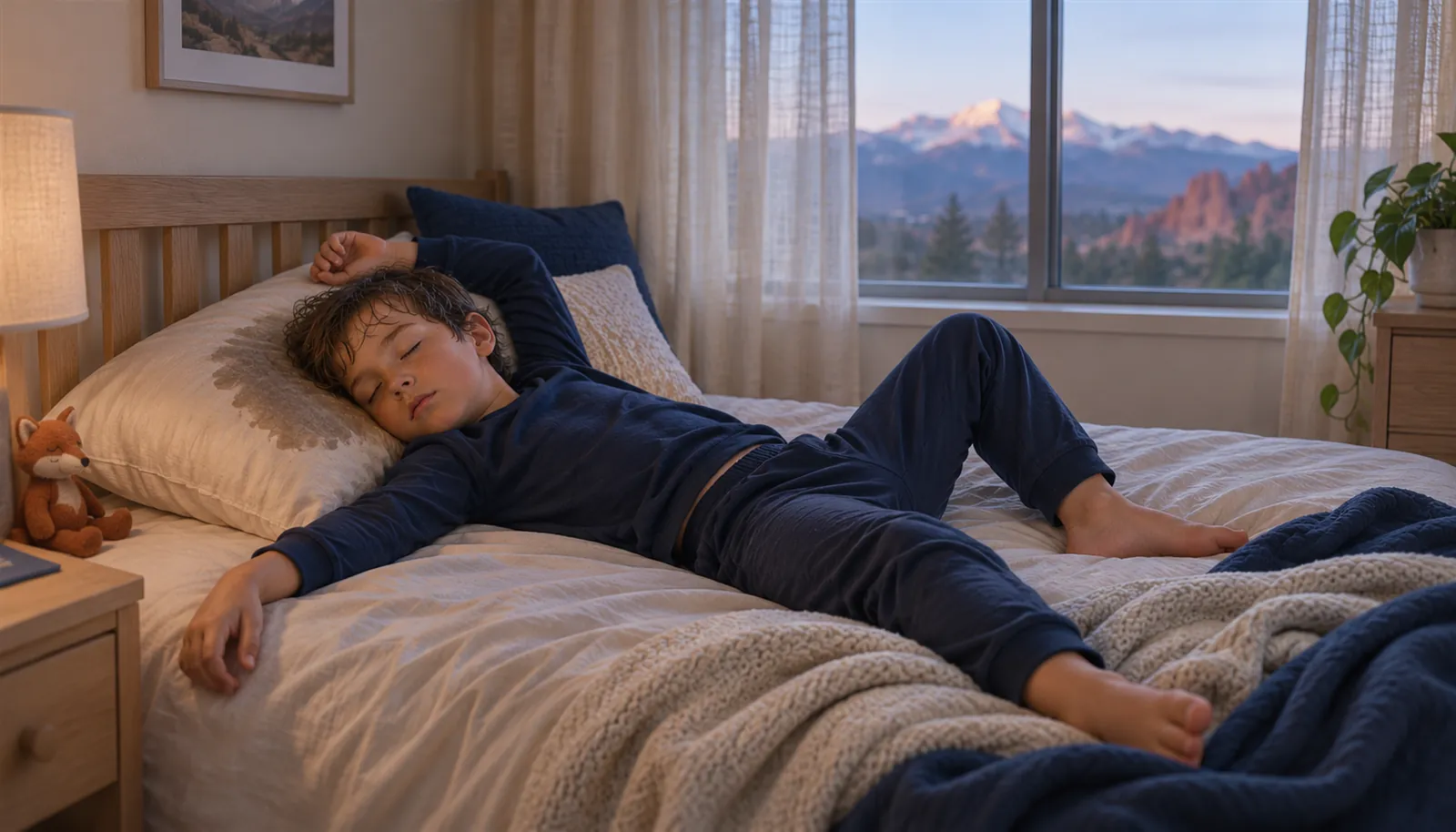
Snoring is the sign most parents notice. The AAP says doctors should ask about snoring at every well-child visit. Snoring that happens three or more nights a week is worth bringing up, even if it seems mild.
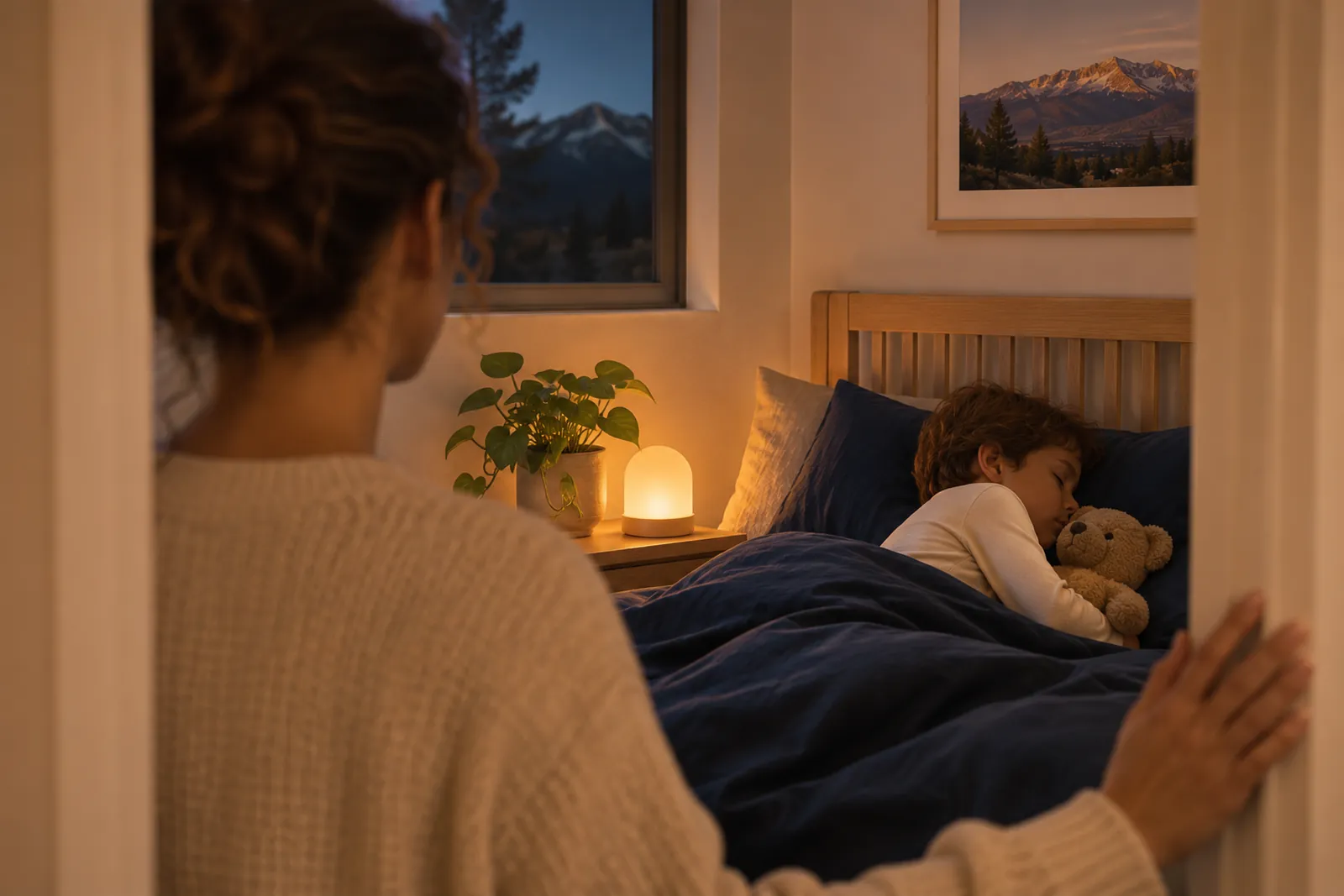
Other night signs are easier to miss. A child may gasp, snort, or cough in their sleep. They may toss and turn or end up in strange positions. Some sweat a lot at night. Some start wetting the bed again after being dry for a long time.
Not every child with sleep apnea snores. Babies and young children may just have broken, restless sleep. If something seems off, trust your gut and talk with your child's doctor. It can help to listen at your child's door for a few minutes after they fall asleep, or record a short video of the snoring to show the doctor.
- Snoring three or more nights a week
- Gasps, snorts, or pauses in breathing
- Restless sleep, night sweats, or new bedwetting
Daytime signs of pediatric sleep apnea

Many signs of sleep apnea in children show up during the day. A tired adult often looks sleepy. A tired child may look hyper instead. They may have trouble paying attention, act on impulse, or melt down more often.
Other daytime signs include morning headaches, a hard time waking up, and breathing through the mouth. Some kids fall asleep on short car rides. A few gain weight slowly. Poor school performance can be another sign.
These signs can have many causes, so they don't mean your child has sleep apnea. But they're worth sharing with your pediatrician. Attention and behavior problems from poor sleep can overlap with ADHD. Read more about ADHD and sleep apnea. A simple log can help, too. For a week or two, note bedtimes, wake-ups, snoring, and how your child acts the next day.
- Trouble focusing, hyperactivity, or mood swings
- Morning headaches or hard mornings
- Mouth breathing during the day
What causes sleep apnea in kids?
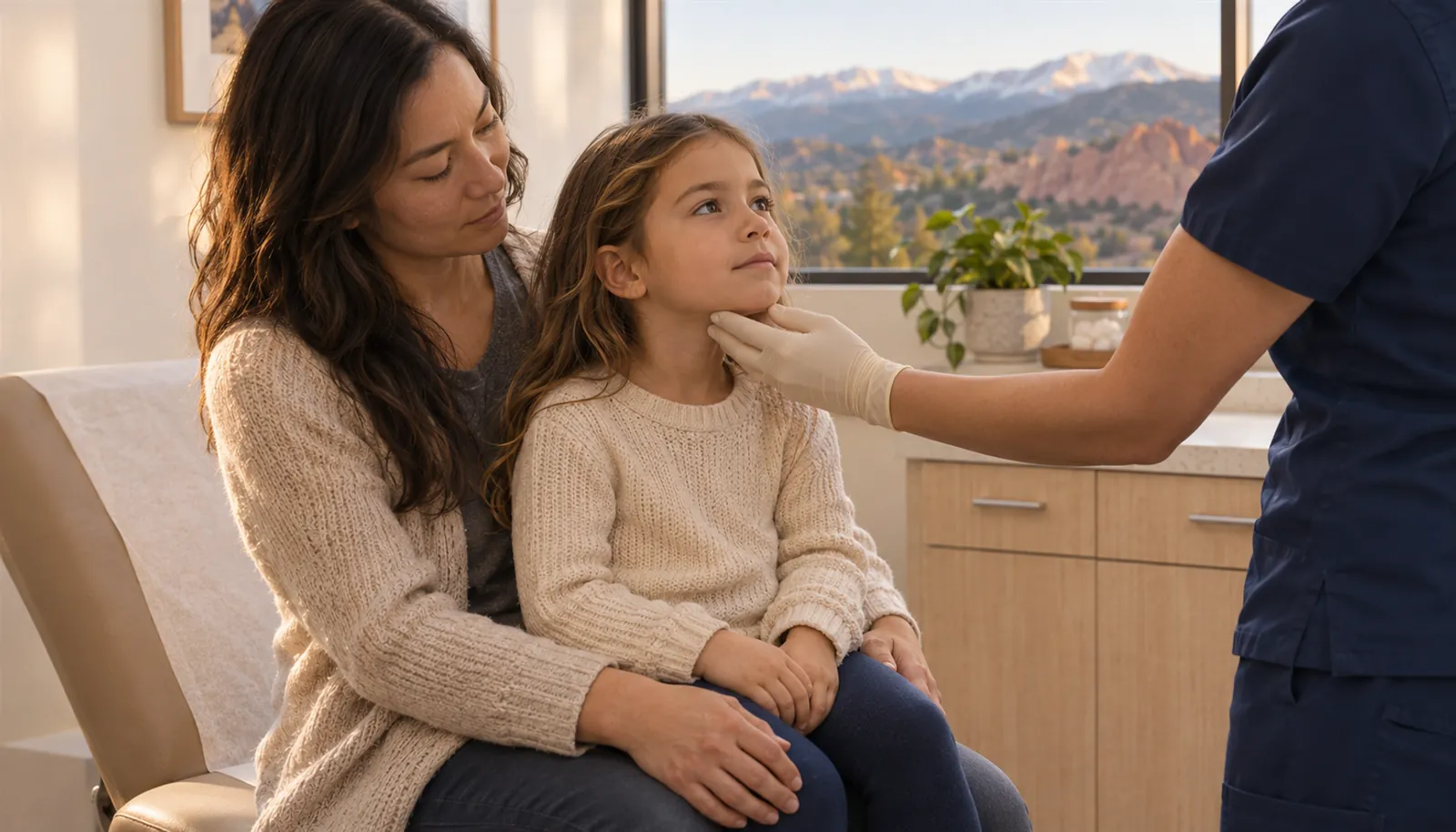
The most common cause is large tonsils and adenoids. Adenoids sit behind the nose, and tonsils sit at the back of the throat. In young children, they can take up a lot of space in a small airway.
Weight is another factor, especially in teens. Some health conditions raise the risk, such as Down syndrome, cerebral palsy, sickle cell disease, and some muscle and nerve conditions. Differences in the shape of the face, skull, or jaw can play a part, too. A family history of sleep apnea and low birth weight also raise the risk.
Allergies and a stuffy nose can make breathing at night harder. A narrow upper jaw may leave less room for the tongue and the nasal airway. A tight tongue tie may also affect how a child breathes and swallows, which is something we check for gently.
How is pediatric sleep apnea diagnosed?

A pediatrician starts by asking about sleep, snoring, and daytime behavior. They also look at the tonsils, nose, and growth. If your child snores and has other signs, the AAP recommends an overnight sleep study, called polysomnography.
For kids, the sleep study is usually done in a sleep lab, not at home. Sensors track breathing, oxygen, heart rate, and brain waves. The test doesn't hurt. Bringing pajamas and a favorite blanket or stuffed animal can help a child feel more at home.
Only a physician can diagnose sleep apnea. If a full sleep study isn't available, your doctor may suggest other tests or a referral to a pediatric sleep doctor or ENT. A dentist can notice signs during a checkup, but the diagnosis comes from your child's medical team. After the study, a physician reviews the results and explains how many breathing events happened each hour.
How is pediatric sleep apnea treated?

For many children, the first treatment is surgery to remove large tonsils and adenoids, called adenotonsillectomy. The AAP lists it as first-line treatment when those tissues are enlarged. After surgery, kids should be checked again to see if more care is needed.
If surgery isn't an option, or sleep apnea remains afterward, the AAP says CPAP can be used. CPAP is a small mask that gently blows air to keep the airway open. For children who are overweight, healthy weight changes are added to other treatment. For mild cases, a doctor may suggest nasal steroid sprays.
Other options may help some kids. These include treating allergies, mouth and tongue exercises called myofunctional therapy, and dental care that guides jaw growth. Every child is different, so the plan depends on what's causing the problem. That's why a full exam matters before choosing a treatment.
Where does a dentist fit in?
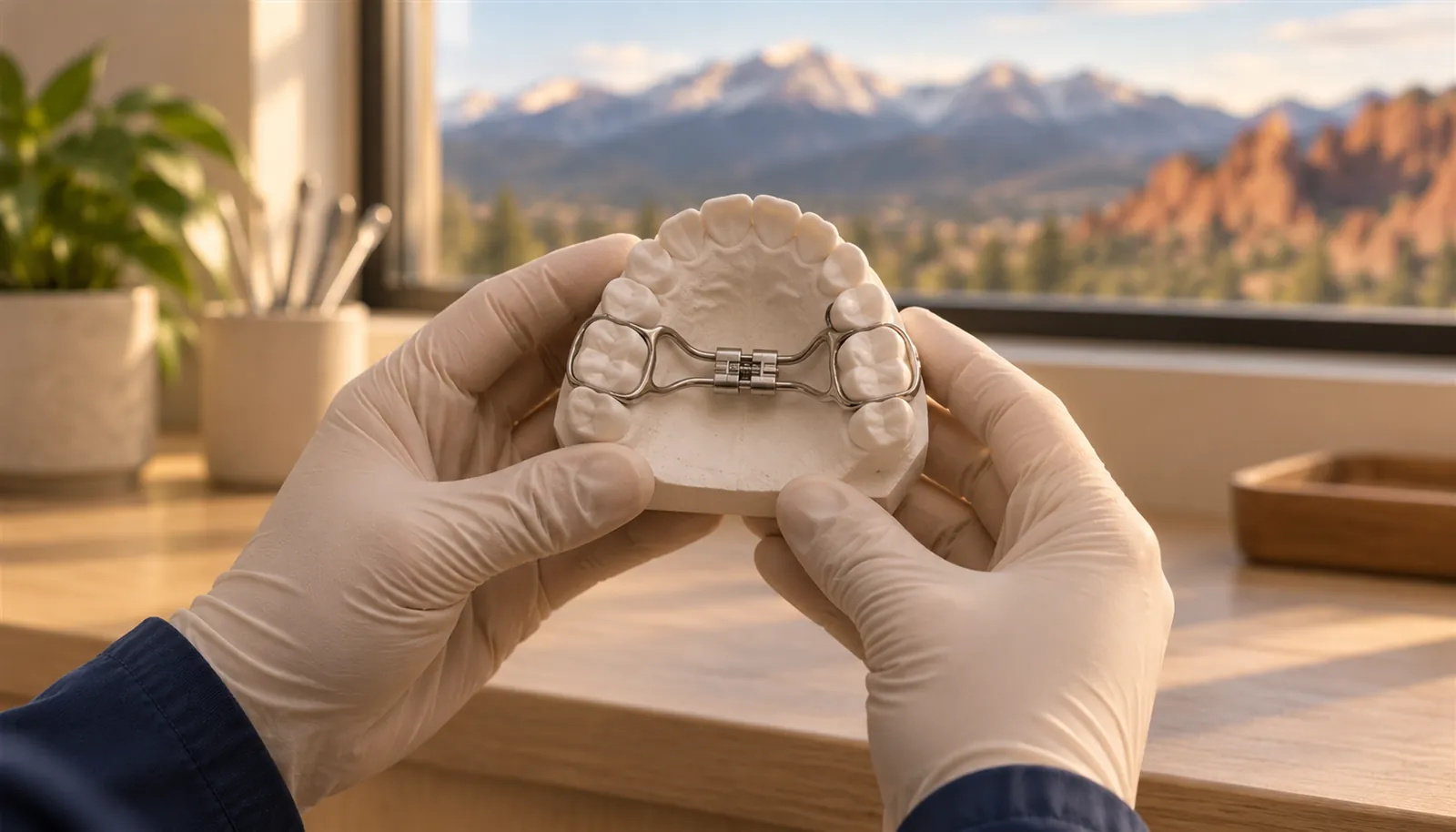
A dentist doesn't replace your child's pediatrician or ENT. But a dentist trained in airway care can play a real part. We see kids often, so we may spot signs early, like a narrow upper jaw, crowded teeth, or mouth breathing.
When a narrow upper jaw is part of the problem, upper and lower jaw expansion may help. Gentle expanders widen the upper and lower jaws while a child is still growing. This can make more room for the tongue and the nasal airway. Some studies suggest expansion may improve breathing during sleep in select children, though the research is still growing. Expansion isn't right for every child, and it doesn't replace surgery when large tonsils are the main cause.
We work with your child's pediatrician and ENT, so each part of care fits together. Dr. Williams also checks for tongue ties and offers tongue tie release when it's needed. Learn more about upper and lower jaw expansion for kids.
- Spotting narrow jaws and mouth breathing early
- Upper and lower jaw expansion as kids grow
- Working with the pediatrician and ENT
What's the best sleeping position?
There's no single sleeping position proven to treat sleep apnea in kids. Some doctors suggest trying side sleeping as part of watching mild cases. But a position change alone isn't a treatment, so follow your child's doctor's plan. Keeping the nose clear may help, too. Ask your pediatrician about treating allergies or a stuffy nose.
For babies, safe sleep comes first. The AAP says babies should always sleep on their backs, on a firm, flat surface with no pillows, wedges, or bumpers. Don't prop up a baby or use a positioner to try to ease snoring. If your baby snores, read our guide on toddler and baby snoring and talk with your pediatrician.
Not sure where to start? Our free airway and sleep quiz can help you sort out which signs to bring up. If you live outside Colorado Springs, we help out-of-town patients plan their visits, too.

Qualified Dentist, American Academy of Dental Sleep Medicine. Top Vivos VIP Provider and The Breathe Institute Ambassador.
Sources
- Marcus CL, et al. Diagnosis and management of childhood obstructive sleep apnea syndrome. Pediatrics, 2012 (AAP clinical practice guideline).
- Mayo Clinic. Pediatric obstructive sleep apnea: symptoms and causes.
- Bahammam SA. Rapid maxillary expansion for obstructive sleep apnea among children: systematic review and meta-analysis. Sleep Science, 2020.
- American Sleep Apnea Association. Childhood sleep apnea.
- American Academy of Pediatrics. Safe sleep: back is best (HealthyChildren.org, 2022).
This article is general information, not medical advice. Every person is different. Talk with your doctor or book a consult about your own care.