The short answer
- Snoring during a cold is common in toddlers and usually goes away when the cold does.
- Snoring three or more nights a week, or snoring with pauses or gasps, is worth a call to your pediatrician.
- Babies often make snorty, noisy sounds. Always follow safe sleep: on the back, on a firm, flat surface, with nothing in the crib.
Toddler snoring can be a surprise the first time you hear it. Is it cute, or is it a problem? The honest answer is that it depends on how often it happens and what else you notice.
This guide explains when toddler snoring and baby snoring are usually normal, when they're worth a closer look, and what your pediatrician may check. It also covers safe things you can try at home and where a dentist trained in airway care fits. Every child is different, so use this to guide a talk with your child's doctor. We'll keep it simple and practical.
Is it normal for toddlers to snore?
Some snoring is normal, especially during a cold. A stuffy nose makes it harder to breathe through the nose at night, so many toddlers snore for a few days while they're sick. Once the cold clears, the snoring usually stops. Many parents first notice it when they check on their child at night.
Frequent snoring is a different story. Children's Hospital of Philadelphia notes that regular snoring in toddlers and young children isn't normal. It can break up sleep, which may affect focus and behavior during the day.
The American Academy of Pediatrics (AAP) says doctors should ask about snoring at every well-child visit. Snoring three or more nights a week is called frequent or habitual snoring. That's the kind worth bringing up, even if your toddler seems fine. How loud the snoring is matters less than how often it happens and what comes with it.
- Snoring with a cold: usually short-lived
- Snoring 3 or more nights a week: tell your pediatrician
- Snoring with pauses or gasps: call soon
Is baby snoring normal?
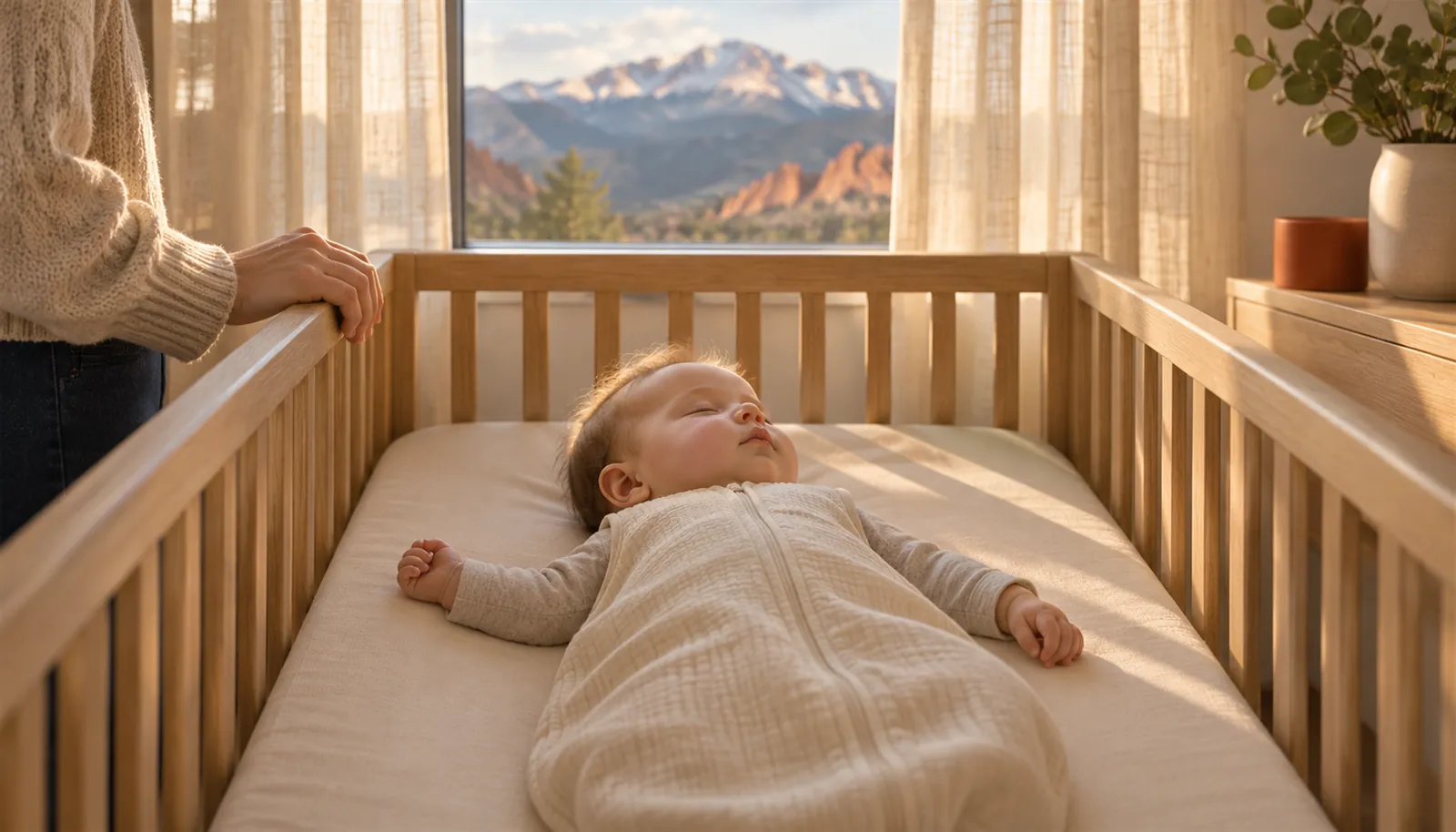
Yes, baby snoring is usually normal, because babies are noisy sleepers. Their nasal passages are tiny, and normal mucus can make them snort, gurgle, or sound like they're snoring. Breathing may also sound louder after a feeding. Faster or heavier breathing during sleep can also be normal. These sounds are usually harmless if your baby is alert, feeding well, and has normal skin color.
Some signs mean you should get help right away. These include blue or pale lips or skin, pauses in breathing, and trouble feeding. Call your pediatrician if your baby is working hard to breathe, such as pulling in at the neck or belly, or has a harsh, high-pitched sound when breathing in that doesn't go away.
Never try to fix baby snoring by changing how your baby sleeps. Keep following safe sleep rules every time, for naps and at night. When in doubt, call your pediatrician. It's always okay to ask.
Why is my toddler suddenly snoring?

When a toddler starts snoring all of a sudden, the most common reason is a cold or other respiratory infection. Allergies can also swell the inside of the nose and make breathing harder at night. Toddlers in daycare or preschool catch many colds, so short bouts of snoring may come and go through the winter.
Sometimes the cause is the tonsils and adenoids. These are germ-fighting tissues at the back of the nose and throat. In young children, they can be large compared with a small airway, and take up a lot of room.
If the snoring lasts more than a couple of weeks after a cold, or keeps coming back, mention it to your pediatrician. A quick look at the tonsils and nose can help find the cause.
When is toddler snoring a worry?

Snoring is more of a worry when it happens most nights or comes with other signs. These signs may point to obstructive sleep apnea (OSA), a condition where the airway narrows or closes over and over during sleep. A sleep study is the only way to know for sure.
At night, watch for pauses in breathing, gasps or snorts, very restless sleep or heavy sweating. During the day, notice trouble waking up, crankiness, frequent headaches, mouth breathing, or unusual sleepiness.
If you notice these signs, talk with your child's doctor. It can help to record a short video of your toddler's breathing at night to show at the visit. Remember that a child with sleep apnea may not seem sleepy. Some act wound up or have trouble focusing instead.
- Pauses, gasps, or very restless sleep
- Mouth breathing day and night
- Crankiness, hard mornings, or headaches
Snoring in children: what causes it?

Anything that narrows the airway can lead to snoring in children. Common causes include large tonsils or adenoids, colds and other infections, allergies, and a deviated septum, which is when the wall inside the nose is off center.
Weight can play a part in older kids. Some health conditions and differences in the shape of the face or jaw can raise the risk, too. A family history of sleep apnea is another factor doctors ask about. Often, more than one thing is going on, like large tonsils plus allergies. That's one reason a full check helps.
The tongue matters as well. A tight tongue tie can affect how the tongue rests and how a child breathes and swallows. If you're curious, read our guide on how to tell a tongue tie vs a normal tongue.
Safe home steps for child snoring

There's no home remedy that treats sleep apnea. But a few safe steps may help with mild snoring, especially during a cold or allergy season. Always check with your pediatrician first, because what's safe depends on your child's age.
Ask your pediatrician how to ease a stuffy nose at your child's age. Keep your home and car smoke-free, which the AAP also advises for babies. If allergies seem to play a part, ask about allergy care. A calm, steady bedtime routine may help, too.
Skip anything that changes a baby's safe sleep setup, like pillows, wedges, or propping. And don't give any medicine for snoring unless your child's doctor says to. A simple log can help, too. Jot down which nights your child snores and how they act the next day.
- Ask your pediatrician about a stuffy nose
- A smoke-free home and car
- A calm, steady bedtime routine
What will the pediatrician check?

Your pediatrician will ask how often your toddler snores, how they sleep, and how they act during the day. They'll look at the nose, throat, and tonsils, and check your child's growth. Bring any videos or notes. It helps to write down when the snoring started and whether it's getting better or worse.
If your child snores often and has other signs, the next step the AAP advises is an overnight sleep study (polysomnography). For young children, it's usually done in a sleep lab, with sensors that track breathing, oxygen, and sleep. A doctor reads the results and explains them to you.
Depending on what they find, your pediatrician may refer you to an ENT, an ear, nose, and throat doctor. For many kids with large tonsils and adenoids, removing them is the first treatment. Read more about sleep apnea in children and how it's treated.
How airway dentists fit in
A dentist doesn't replace your pediatrician or ENT. But a dentist trained in airway care can look at how your child's jaw and tongue are growing. A narrow upper jaw can leave less room for the tongue and the nasal airway. At a visit, we look at how your child breathes, the shape of the upper jaw, and how the tongue moves. We explain what we see in plain words, and parents are welcome in the room.
As kids grow, care like upper and lower jaw expansion may help make more room to breathe when a narrow jaw is part of the problem. If a tight tongue tie is part of the picture, Dr. Williams offers tongue tie release. We work with your child's pediatrician, so care fits together. Every child is different, so results vary.
Not sure where to start? Try our free airway and sleep quiz. If you live outside Colorado Springs, we help out-of-town patients plan their visits, too.

Qualified Dentist, American Academy of Dental Sleep Medicine. Top Vivos VIP Provider and The Breathe Institute Ambassador.
Sources
- Marcus CL, et al. Diagnosis and management of childhood obstructive sleep apnea syndrome. Pediatrics, 2012 (AAP clinical practice guideline).
- Children's Hospital of Philadelphia. Snoring in young children.
- Children's Minnesota. Noisy breathing in infants.
- American Academy of Pediatrics. Safe sleep: back is best (HealthyChildren.org, 2022).
- Mayo Clinic. Pediatric obstructive sleep apnea: symptoms and causes.
This article is general information, not medical advice. Every person is different. Talk with your doctor or book a consult about your own care.