The short answer
- Inspire is an implant that stimulates the nerve that moves your tongue, so your airway stays open. It needs surgery.
- FDA criteria include moderate to severe obstructive sleep apnea, trouble using CPAP, and a sleep endoscopy that shows the right airway pattern.
- A custom oral appliance is a non-surgical option many adults try first. Cost and coverage for both vary by plan.
If CPAP hasn't worked for you, you've probably heard of Inspire. It's an implant for obstructive sleep apnea, and it gets a lot of attention online. You may also have heard of a custom oral appliance, a mouthpiece made by a dentist. Both are real options for some people who can't use CPAP.
Obstructive sleep apnea (OSA) is when your throat closes off, partly or fully, many times a night. This guide explains how Inspire works, who qualifies, what the procedure involves, and how it compares with an oral appliance. We'll be fair to both, because the right choice depends on you.
What is Inspire for sleep apnea?
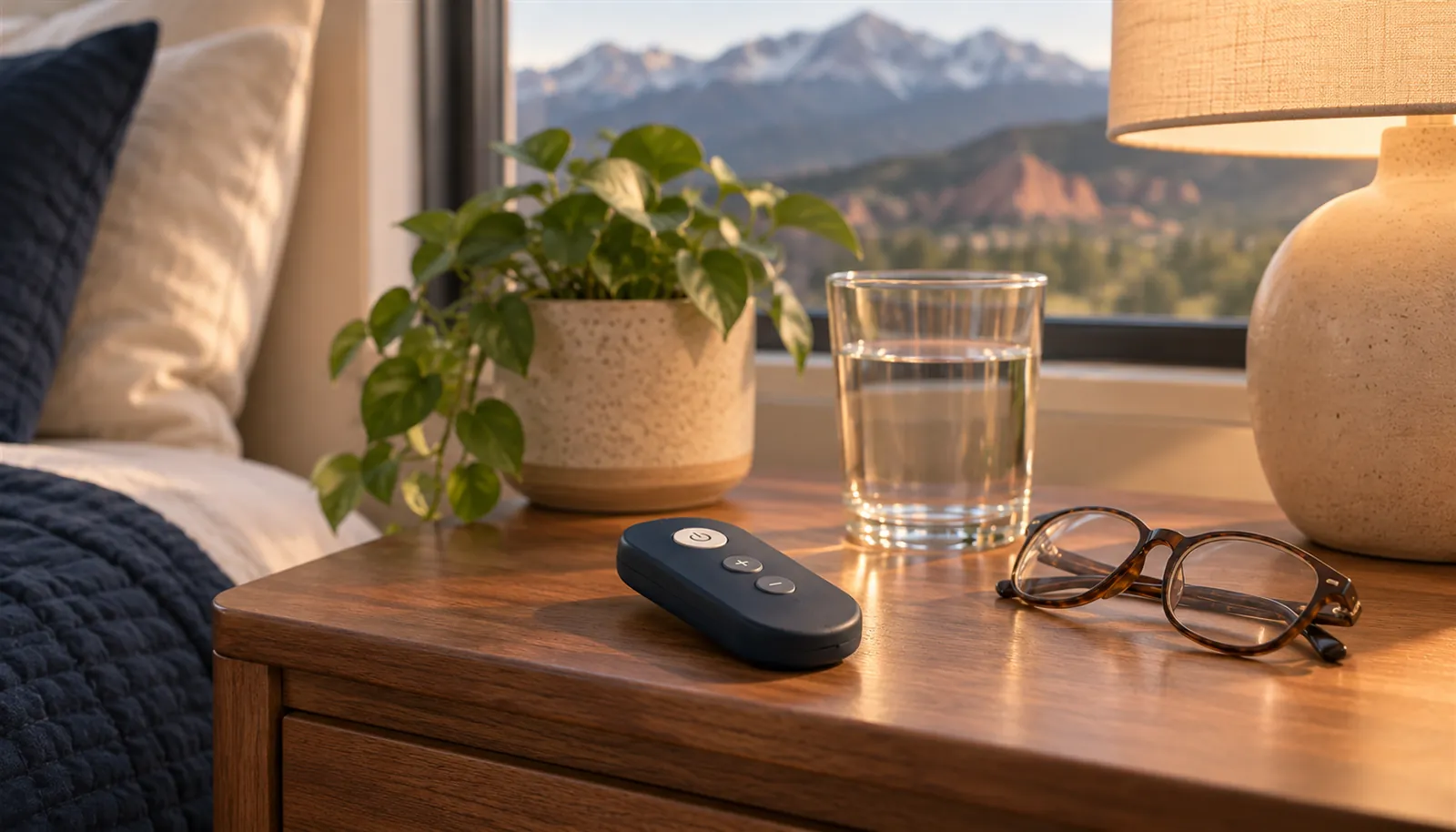
Inspire is an implanted device that treats obstructive sleep apnea from inside the body. It's made by Inspire Medical Systems. Doctors call this type of treatment hypoglossal nerve stimulation, or upper airway stimulation.
Instead of a mask, you use a small remote. You turn the device on at bedtime and off when you wake up. There's no hose, no machine on the nightstand, and nothing in your mouth.
Inspire is for adults with moderate to severe obstructive sleep apnea who can't use or tolerate CPAP. CPAP (continuous positive airway pressure) is the mask-and-machine treatment most people try first. Inspire is placed by a surgeon, usually an ear, nose, and throat (ENT) doctor. It isn't something a dentist provides. The FDA first approved Inspire in 2014 and has widened who it's approved for since then. It's a big decision, so it helps to know how it works and how it compares.
How does Inspire work?
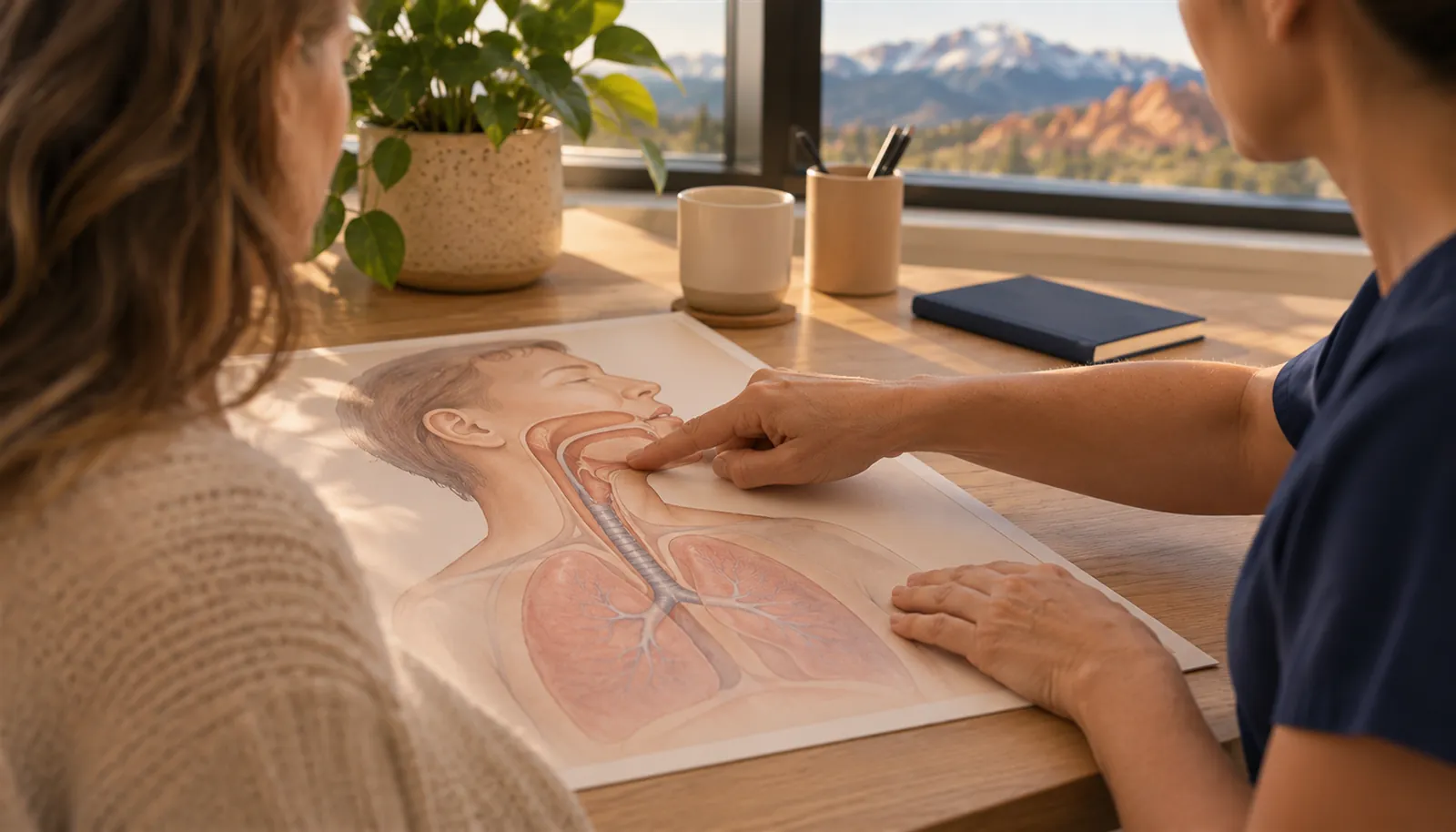
Inspire works by gently stimulating your hypoglossal nerve, the nerve that controls your tongue. When the nerve is stimulated, the tongue moves forward. That helps keep the back of your throat open while you sleep.
The system has a few small parts. A pulse generator sits under the skin of the upper chest. A breathing sensor tracks each breath. A thin wire with a cuff wraps around a branch of the nerve under the jaw. The device times small pulses to your breathing.
Many people can set a delay, so stimulation starts after they fall asleep. You may feel a light tingle or a forward push of the tongue. Your doctor adjusts the settings over time, and a sleep study checks how well it's working. The settings matter a lot. Too little stimulation may not open the airway enough. Too much may feel uncomfortable or wake you up.
Who qualifies for Inspire?

To qualify for Inspire, you generally need moderate to severe obstructive sleep apnea, trouble using CPAP, and an airway that collapses in a pattern Inspire can help. Your doctors check each of these before surgery.
Under the FDA approval updated in 2023, the main group is adults 22 and older with an apnea-hypopnea index (AHI) from 15 to 100. AHI is the number of breathing pauses or shallow breaths per hour of sleep. The FDA raised the top recommended body mass index (BMI) from 32 to 40 at the same time. Some adults 18 to 21, and some teens with Down syndrome, may also qualify.
Inspire isn't meant for people whose sleep apnea is mostly central. Central sleep apnea means the brain doesn't send the signal to breathe. Your plan may also use its own criteria, so ask before you start.
- Moderate to severe obstructive sleep apnea
- Can't use or tolerate CPAP
- No complete concentric collapse on sleep endoscopy
What is the Inspire procedure like?

The Inspire procedure starts with an airway check called drug-induced sleep endoscopy (DISE), then outpatient surgery. You're given medicine to sleep, and a doctor passes a thin camera through your nose to watch how your airway collapses. If the soft tissue closes in a full ring, called complete concentric collapse, Inspire usually isn't a fit.
The implant surgery is usually outpatient, so many people go home the same day. It's done under general anesthesia, through small cuts under the jaw and on the chest. Like any surgery, it carries risks, such as infection.
The device isn't turned on right away. You go back after healing, often about a month later, to have it switched on and set. Then come follow-up visits and a sleep study to fine-tune it. Recovery is often fairly quick, but your surgeon will ask you to go easy on hard exercise while the cuts heal.
How does an oral appliance work?
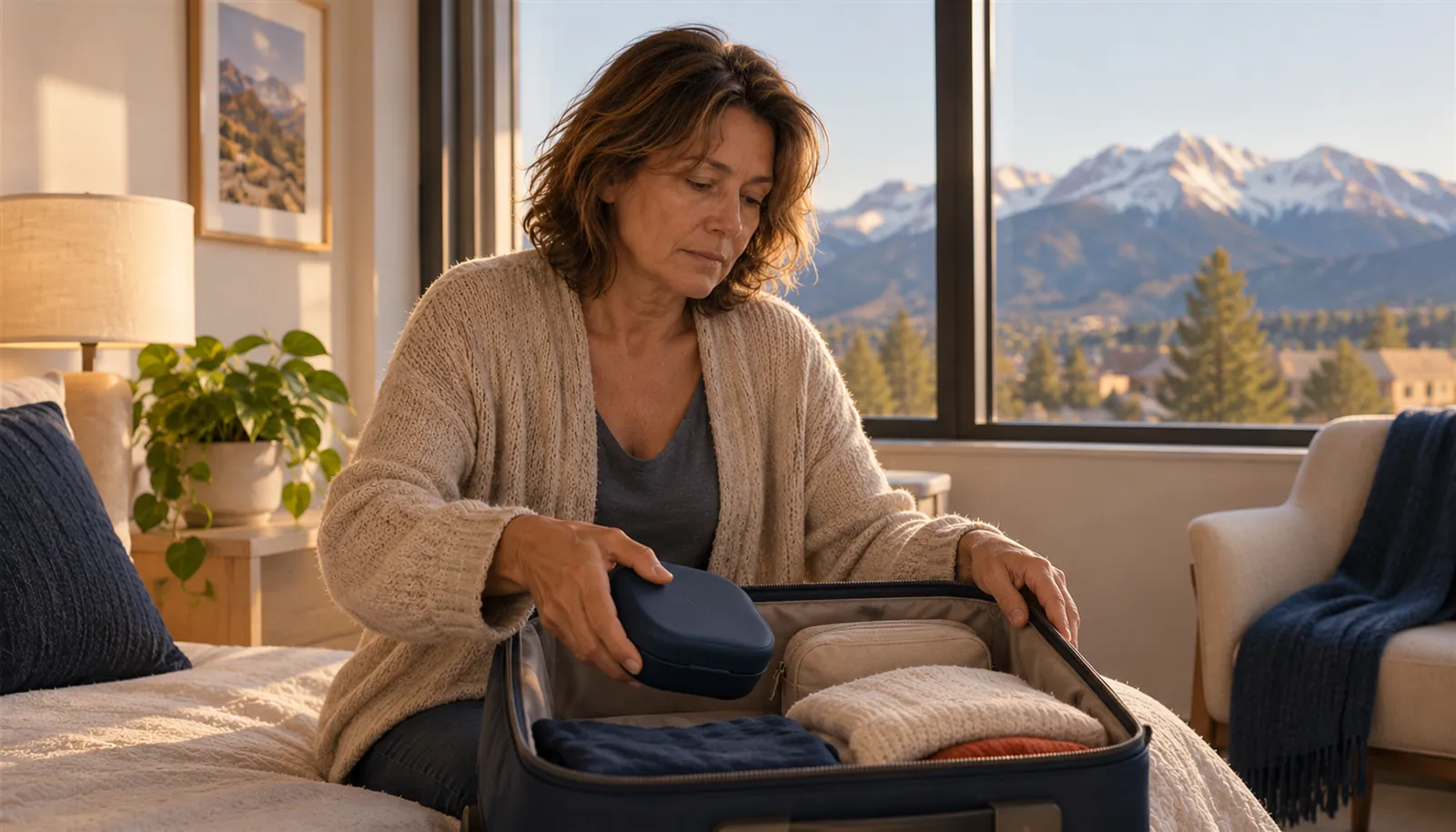
An oral appliance works by holding your lower jaw slightly forward while you sleep. Because the tongue is attached to the jaw, it moves forward too. That opens more room at the back of the throat. It's a non-surgical way to reach a similar goal.
It's a custom mouthpiece, made from scans of your teeth by a dentist trained in dental sleep medicine. You put it in at night and take it out in the morning. It's small, quiet, and easy to pack for a trip.
Sleep medicine guidelines support oral appliances for adults with obstructive sleep apnea who can't tolerate CPAP or would rather use something else. They tend to work best for mild to moderate sleep apnea. You need enough healthy teeth to hold one. Learn more in our guide to sleep apnea mouth guards. Getting one starts with a diagnosis. If you don't have a recent sleep study, a home sleep test may be a simple first step.
Inspire vs an oral appliance compared
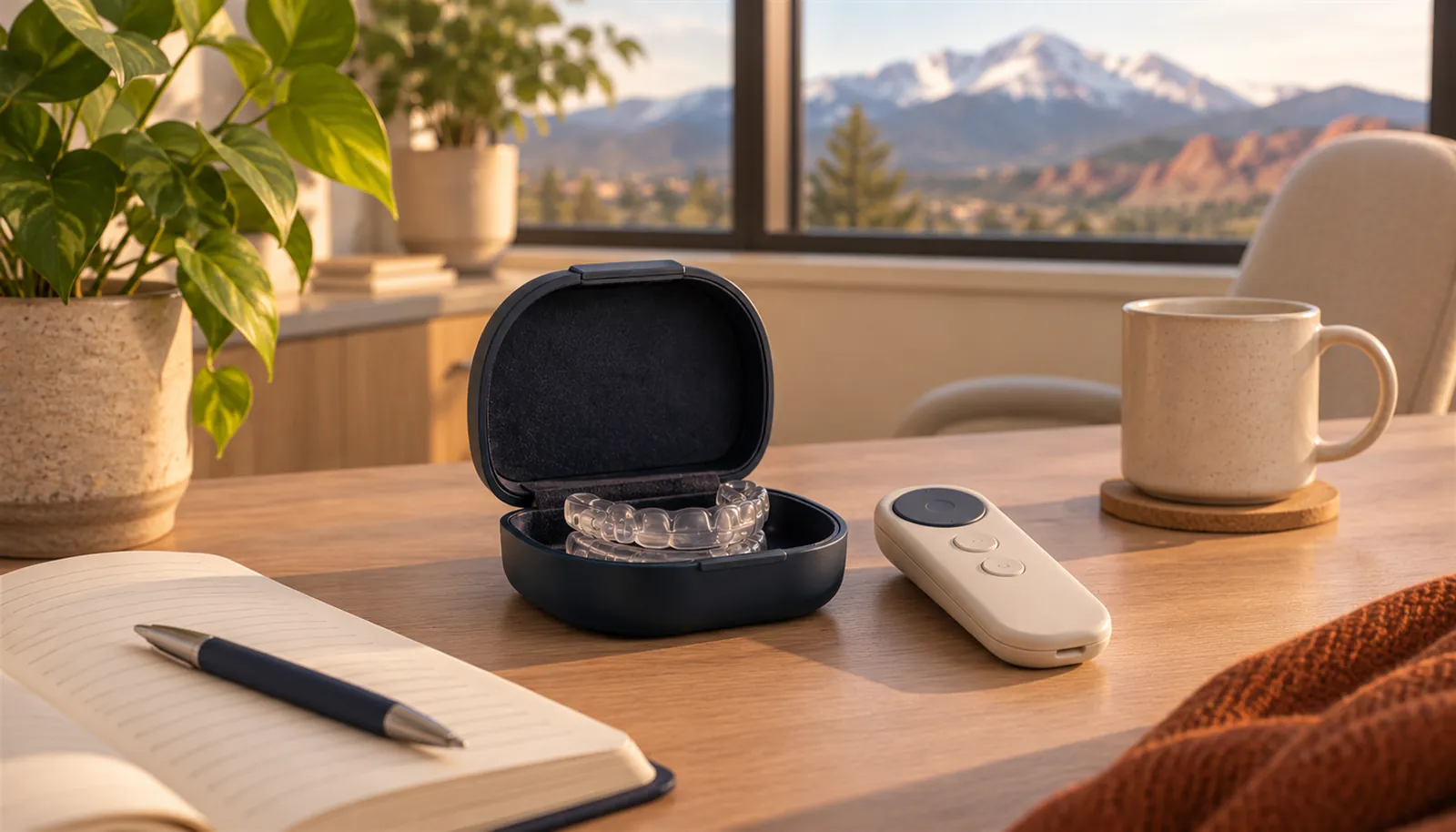
The biggest difference is surgery. Inspire needs an implant and anesthesia. An oral appliance doesn't. Both are meant for people who want an option besides CPAP.
Inspire is approved for a wider range of severity, up to an AHI of 100. An oral appliance tends to fit best in mild to moderate cases, though some people with severe sleep apnea use one with close follow-up. Inspire doesn't need healthy teeth. An oral appliance does, and it may cause jaw soreness or slight bite changes over time.
Many people try a non-surgical option first, then talk with their sleep doctor and an ENT about surgery if it doesn't work. That order isn't right for everyone. Your sleep study, airway, teeth, and health all shape the answer. Both treatments only help if you use them every night, so think about which one you'd actually stick with.
- Inspire: surgery, remote control, wider severity range
- Oral appliance: no surgery, custom-made, easy to travel with
- Both: checked with follow-up sleep testing
What do Inspire reviews say?

Inspire reviews are mixed, which is normal for any treatment. Many people like being free of a mask and say they sleep better. Others find the stimulation hard to get used to, or feel that it didn't help as much as they hoped.
Inspire lists possible risks that include infection and temporary tongue weakness. In rare cases, longer-lasting tongue weakness can happen. Some people report a sore tongue, dry mouth, or discomfort from the stimulation, which settings changes may help. Online stories, good and bad, are one person's experience.
The same is true for oral appliances. Some people love them, and some can't get used to them. Every person is different, so results vary. A follow-up sleep test, not a review, tells you whether your treatment is working. When you read reviews, look for how the person's sleep test changed, not only how they felt the first week.
Cost, coverage, and your next step
The cost of Inspire and of an oral appliance both vary. They depend on your plan, your needs, and the visits and tests involved. Coverage rules differ from plan to plan, so ask your plan directly. For an oral appliance, we explain costs at your consult.
Our Colorado Springs sleep dentists can help you see whether an oral appliance fits, either instead of Inspire or as a first step. We'll review your sleep study, airway, jaw, and bite. If Inspire or another treatment seems like a better match, we'll tell you and work with your sleep doctor. You can also read why CPAP can be hard to tolerate and explore CPAP alternatives.
Coming from farther away? We help out-of-town patients plan their visits, too. Bring your CPAP history, your sleep test, and your questions about Inspire. We're glad to talk it all through.
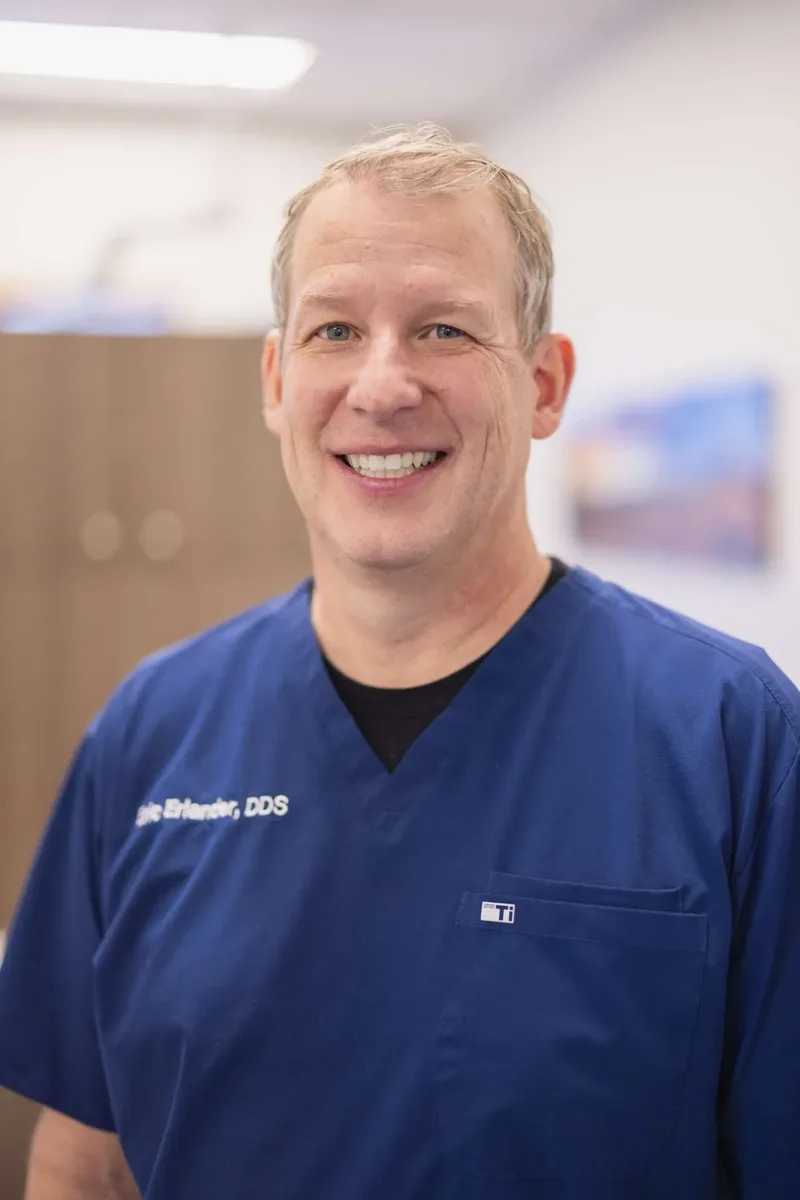
Diplomate, American Board of Dental Sleep Medicine since 2018. Member, American Academy of Craniofacial Pain.
Sources
- U.S. Food and Drug Administration. Inspire Upper Airway Stimulation – P130008/S090.
- Johns Hopkins Medicine. Hypoglossal nerve stimulation implant for sleep apnea.
- Ramar K, et al. Clinical practice guideline for the treatment of obstructive sleep apnea and snoring with oral appliance therapy: an update for 2015. J Dent Sleep Med, 2015.
- Cleveland Clinic. Oral appliance therapy for sleep apnea.
This article is general information, not medical advice. Every person is different. Talk with your doctor or book a consult about your own care.