The short answer
- A sleep study records your breathing, oxygen, and more while you sleep, to check for sleep apnea and other sleep problems.
- A home sleep test is often a good first step for adults who likely have moderate or severe obstructive sleep apnea.
- An in-lab study records more, and it's the better choice for kids, complex health problems, or a home test that comes back unclear.
If your partner says you snore, gasp, or stop breathing at night, the next step is usually a sleep study. You may hear two options: a home sleep test or an overnight study in a sleep lab. What is a sleep study? It's an overnight test of how you breathe while you sleep. Both can check for sleep apnea, but they aren't the same test.
This guide explains what a sleep study is, what each type records, how long it takes, and how to get one. It also covers what happens if you can't sleep during the test, and how a sleep study leads to sleep apnea treatment that fits you. We'll keep it simple and honest about the trade-offs of each test.
What is a sleep study?
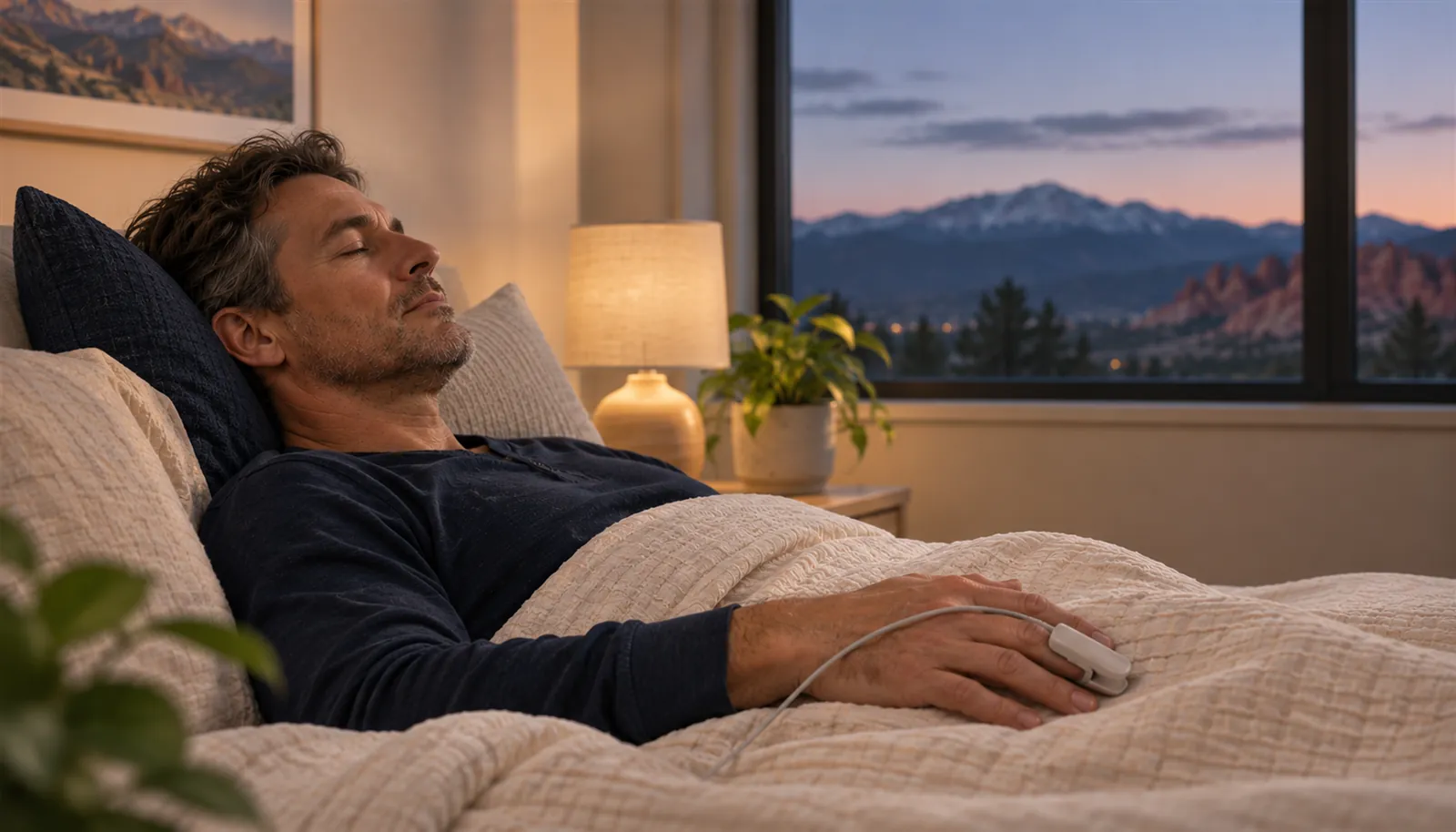
A sleep study is a test that records what your body does while you sleep. Sensors track your breathing, the oxygen in your blood, and your heart rate. Some studies also track brain waves, eye movements, and leg movements.
Doctors use sleep studies to find out why you snore, wake up tired, or stop breathing at night. The full in-lab version is called polysomnography (PSG). The simpler version, done in your own bed, is called a home sleep apnea test (HSAT). Most people just call it a home sleep test.
Either way, the test is noninvasive. Nothing goes under your skin. The most common side effect is mild skin irritation from the sensor tape.
You don't need to do anything special while the test runs. You simply sleep. The goal is to see what happens to your breathing when you aren't awake to notice it. Many people are surprised by what their results show.
What can a sleep study diagnose?
An in-lab sleep study can help diagnose many sleep problems. These include sleep apnea, narcolepsy, periodic limb movement disorder, and REM sleep behavior disorder, where people act out dreams. It can also show unusual sleep behaviors, like sleepwalking.
A home sleep test has one main job: checking for obstructive sleep apnea. Obstructive sleep apnea (OSA) means your airway narrows or closes again and again while you sleep. Your breathing slows or stops for a few seconds, your oxygen can drop, and your brain wakes you just enough to breathe again.
Because a home test records less, it isn't used for most other sleep problems. If your doctor thinks you might have one of them, you'll likely need a lab study. A sleep study also shows how severe sleep apnea is. Doctors often use the apnea-hypopnea index (AHI), the number of times per hour your breathing slows or stops. That number helps guide which treatments may fit.
- Sleep apnea and other breathing problems
- Narcolepsy and other sleepiness disorders
- Leg movements and acting out dreams
How does a sleep study work?
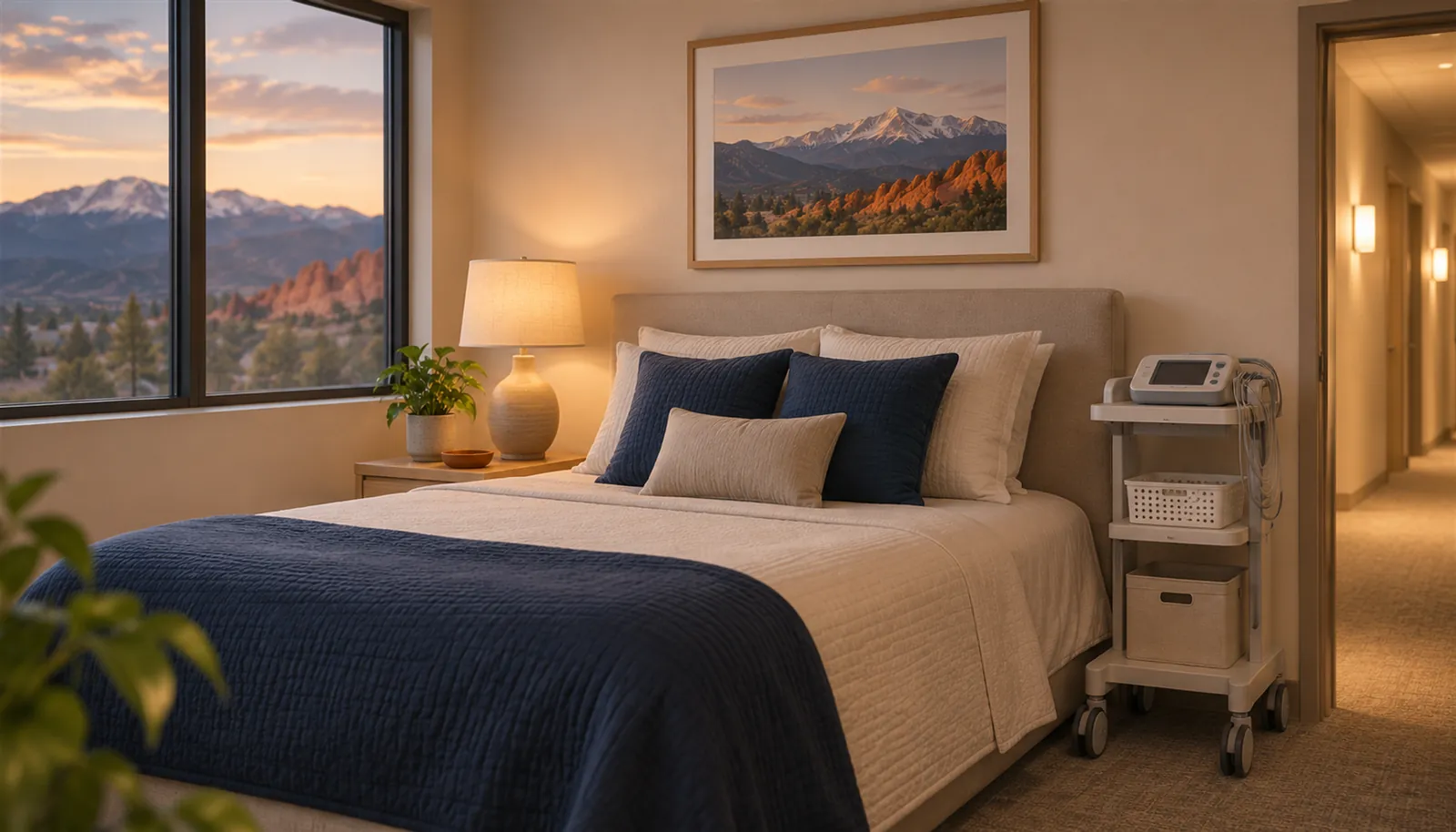
For an in-lab study, you arrive in the early evening and sleep overnight in a private room. Some sleep centers are set up like a small hotel room. A technologist places small sensors on your scalp, face, chest, and legs, plus a clip on your finger to track oxygen.
Then you go to sleep. The technologist watches from a nearby room on a low-light camera and can come in if a sensor slips or you need the bathroom. In the morning, the sensors come off and you head home.
Sometimes the doctor adds CPAP partway through the night to find the air pressure that keeps your airway open. This is often called a titration study. After the night is over, the data is scored, and a sleep doctor reviews it.
You can usually bring a book or something calming to do before lights out. Tell the technologist how you normally sleep, such as on your side or with two pillows. That way, the night can feel a little more like home.
How does a home sleep test work?
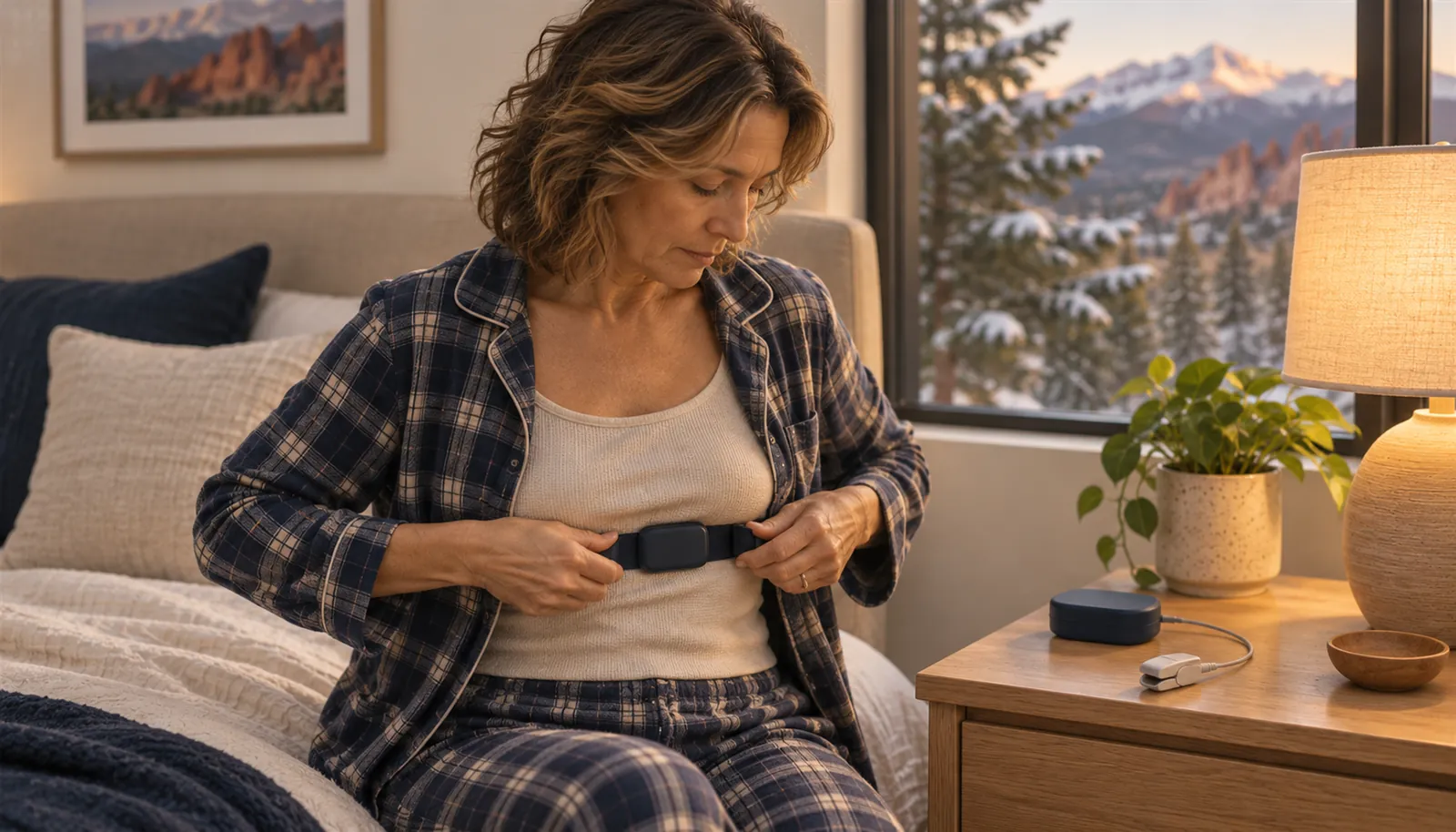
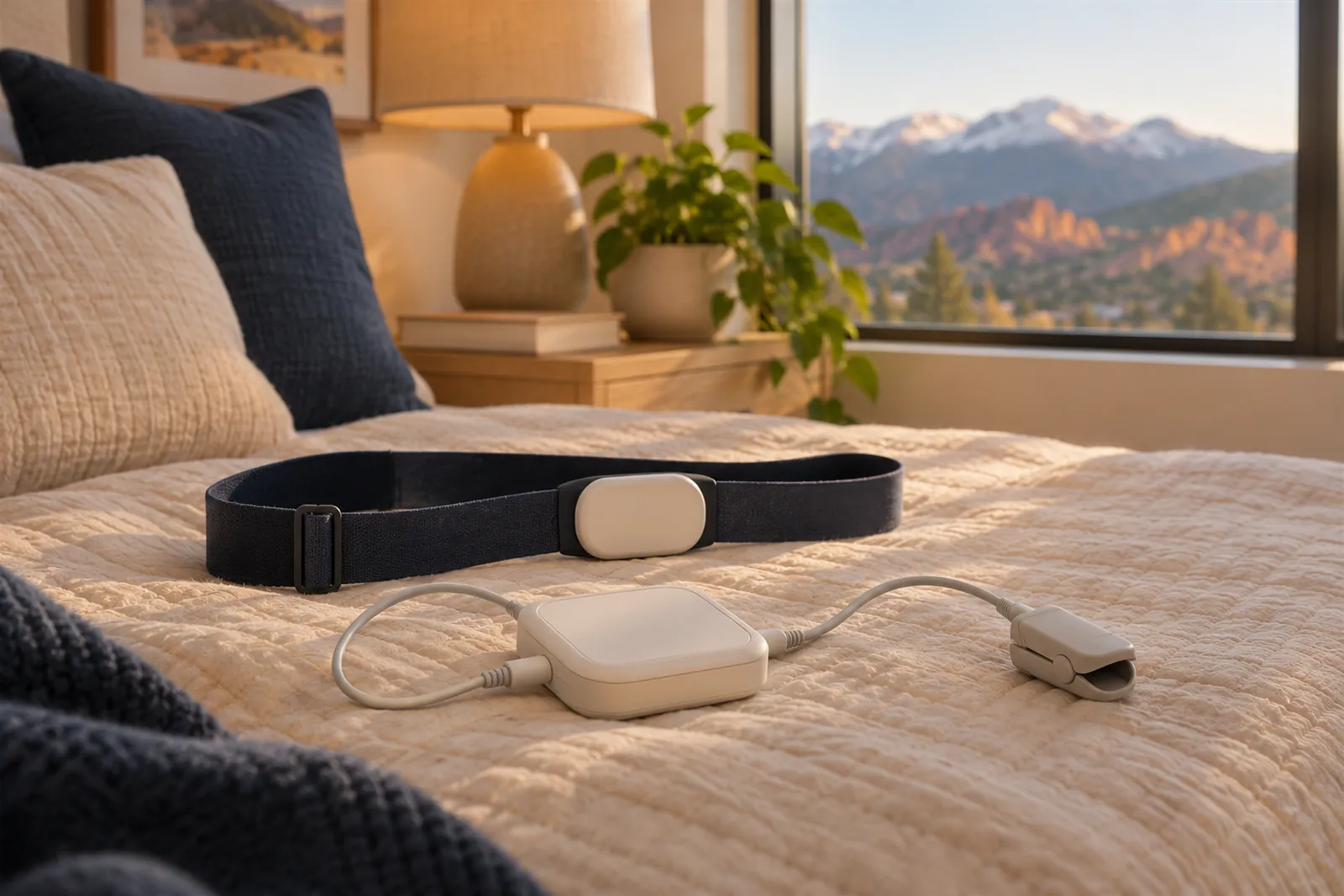
A home sleep test uses a small device that you put on yourself at bedtime. It usually includes a band around your chest, a small tube or sensor under your nose, and a clip on your finger. You follow your normal routine and sleep in your own bed.
Most home tests record breathing, airflow, oxygen, and heart rate. They don't record brain waves. That means they can't tell exactly when you're asleep, which is one reason a home test can miss some cases of sleep apnea.
In the morning, you take the sensors off and return the device. The data then goes to a physician, who reviews and interprets your results. A dentist can help you get a home test, but a physician makes the diagnosis. A loose sensor can leave gaps in the data, so follow the setup steps closely. If you're unsure, ask the team to show you before you take the device home.
- Sleep in your own bed and keep your routine
- Fewer sensors and no overnight stay
- A physician reads and interprets the results
Home sleep test or sleep lab?
For many adults, a home sleep test is a simple first step. Guidelines from the American Academy of Sleep Medicine (AASM) support home testing for adults who have signs of moderate to severe obstructive sleep apnea and no major health problems that would make the results harder to read. Those signs are daytime sleepiness plus at least two of these: loud snoring, pauses or gasping, or high blood pressure.
The AASM recommends an in-lab study instead for people with significant heart or lung disease, a past stroke, chronic opioid use, severe insomnia, or certain muscle or nerve conditions. Children also usually need an in-lab study, not a home test.
If a home test comes back negative, unclear, or doesn't record well, the AASM recommends an in-lab study next, not another home test. Home tests have real benefits. They're simpler, you sleep in your own bed, and many people find them easier to fit into a busy week. A lab study takes more of your time but records the most detail. Your doctor weighs your health history and symptoms to choose.
Can't sleep during a sleep study?
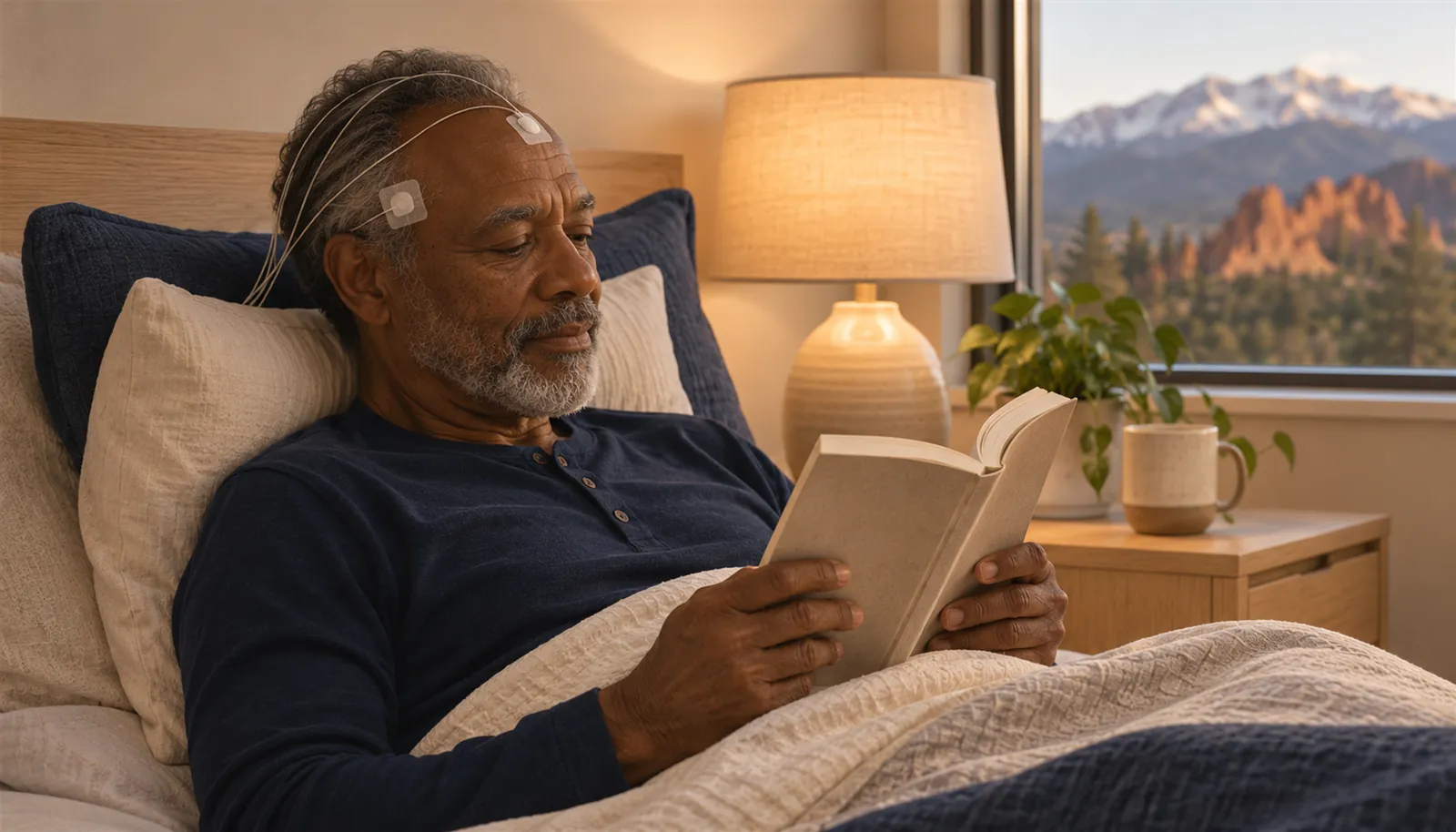
If you can't sleep well during a sleep study, the test can usually still work. Many people sleep worse in a lab than at home. The good news is that you usually don't need a full eight hours. Nearly everyone falls asleep at some point, and that's often enough for the doctor to read the results. If you need to get up to use the bathroom, just tell the technologist. They can help with the wires and get you set up again.
A few simple steps can help. Keep your normal routine that day. Skip naps and avoid caffeine after lunch. Skip alcohol that evening. Don't put lotion, hair gel, or makeup on before the test, because they can keep the sensors from sticking.
Bring your own pajamas, pillow, and a book. Ask your doctor before you stop or change any medicine. In some cases, a doctor may prescribe something to help you sleep that night.
- Skip naps and afternoon caffeine
- No lotions, gels, or makeup
- Bring pajamas, a pillow, and a book
How do I get a sleep study?
Start by talking with your doctor or a trained sleep dentist about your symptoms. Bring notes from your partner about snoring, gasping, or pauses. The doctor will decide which test fits your health and your symptoms, and order it.
Results often take from a few days to a few weeks. A physician reviews the data, and you go over the results at a follow-up visit. Cost depends on your plan and needs, and we explain costs at your consult. If you live at a higher elevation, it's also worth reading about sleep apnea and altitude.
Our Colorado Springs team can help you get a home sleep test when it fits, and explain your options if the results show sleep apnea. CPAP is one option. For many adults who can't use CPAP or prefer something else, a custom oral appliance can be another path. Learn more about CPAP alternatives. Coming from farther away? We help out-of-town patients plan their visits, too.
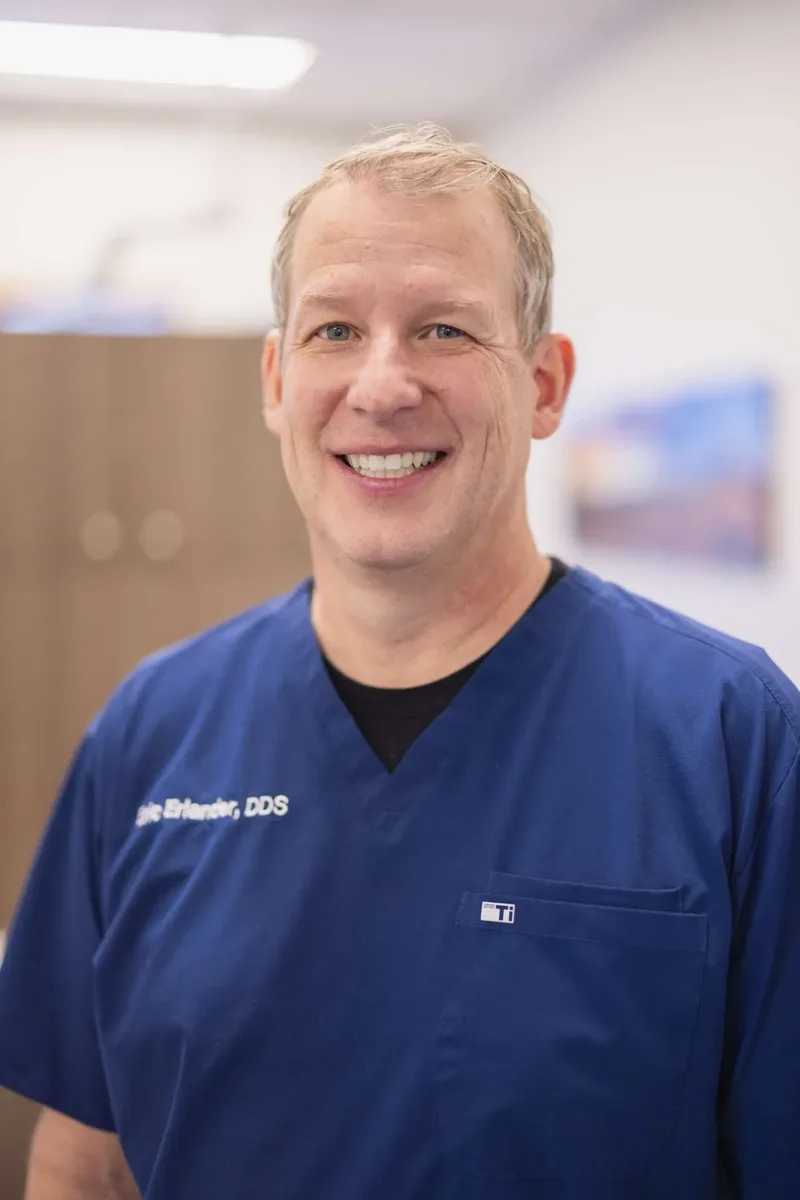
Diplomate, American Board of Dental Sleep Medicine since 2018. Member, American Academy of Craniofacial Pain.
Sources
- Kapur VK, et al. Clinical practice guideline for diagnostic testing for adult obstructive sleep apnea. J Clin Sleep Med, 2017.
- Mayo Clinic. Polysomnography (sleep study).
- American Academy of Sleep Medicine. Sleep study.
- Marcus CL, et al. Diagnosis and management of childhood obstructive sleep apnea syndrome. Pediatrics, 2012.
This article is general information, not medical advice. Every person is different. Talk with your doctor or book a consult about your own care.