The short answer
- Sleeping on your side, skipping alcohol before bed, and clearing a stuffy nose are simple first steps that help many people snore less.
- Loud snoring with gasps, pauses, or daytime tiredness can be a sign of sleep apnea. Get a sleep test before you treat it at home.
- If simple steps don't work, a custom mouth guard or an in-office option like NightLase may help.
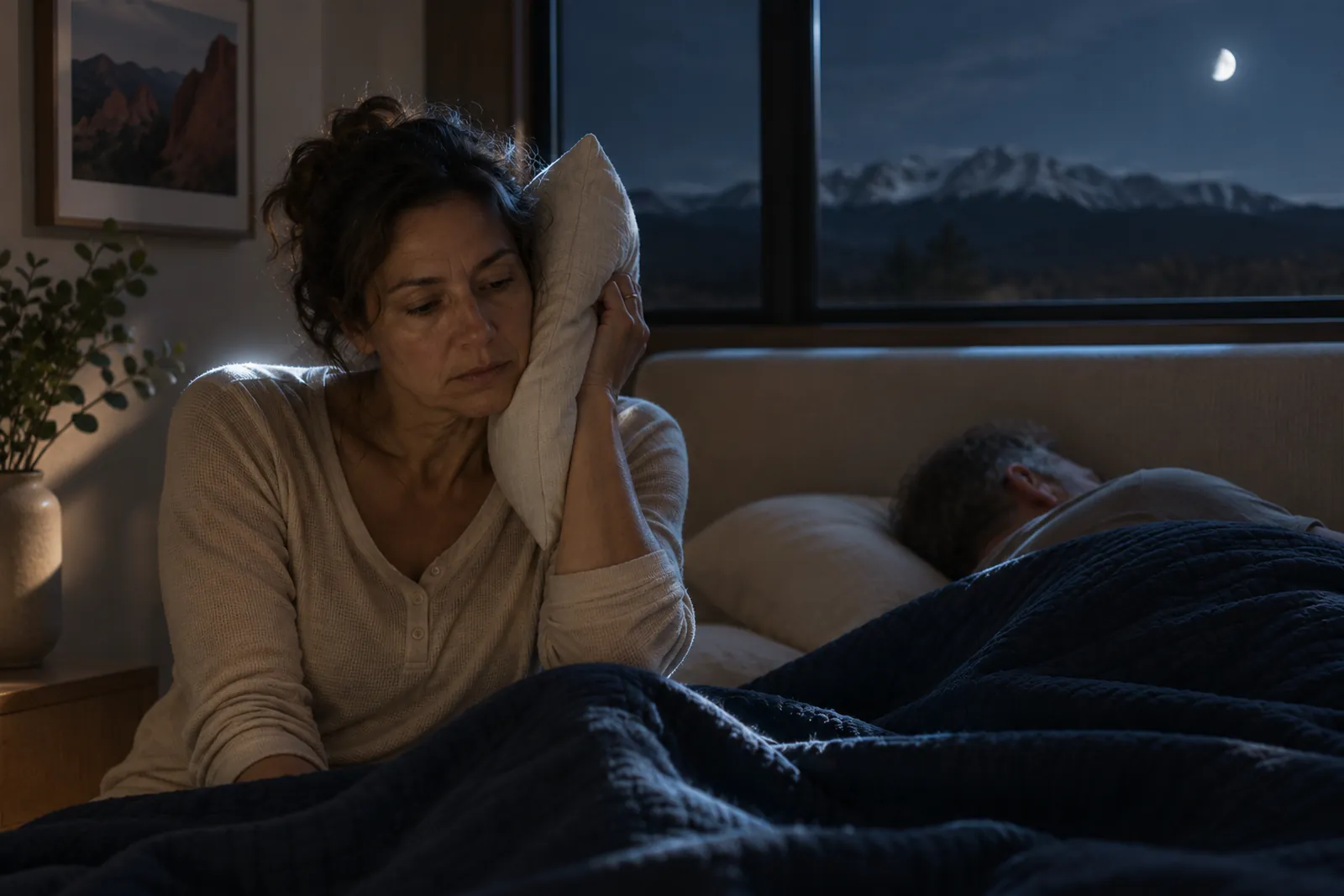
If you want to know how to stop snoring, you're not alone. Snoring is one of the most common sleep complaints. About half of people snore at some point in their lives. It can keep a partner awake, push someone to the guest room, and leave you both tired the next day.
The good news is that many people can snore less. The catch is that the right fix depends on why you snore. This guide covers how to stop snoring while sleeping, which snoring remedies are worth trying, which ones aren't, and when snoring is a sign of something more serious.
Why do people snore?
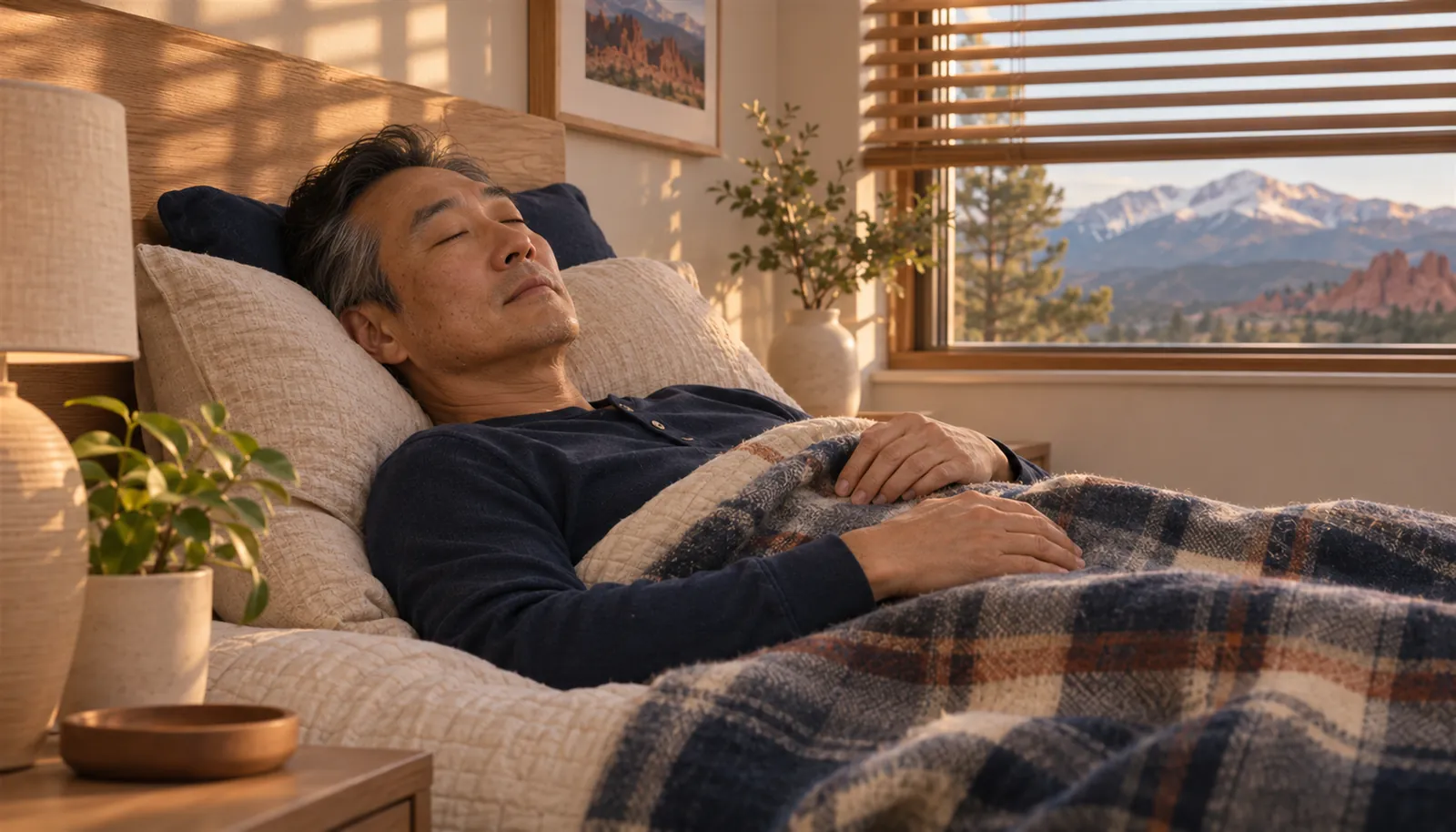
People snore when air moving through a narrowed airway makes the soft tissues in the throat vibrate. Those tissues include the soft palate, the uvula (the small flap at the back of the mouth), the tongue, and the walls of the throat.
During sleep, those muscles relax. If your airway is already a little narrow, relaxed tissue can flutter as you breathe. The narrower the space, the louder the sound tends to be.
Lots of things can narrow the airway. Sleeping on your back lets the tongue fall back. Alcohol relaxes throat muscles even more. A stuffy nose from a cold or allergies pushes you to breathe through your mouth. Extra weight, a small or set-back jaw, and large tonsils can all play a part. Snoring often runs in families and tends to get worse with age. Because there are so many causes, a fix that works for your friend may do nothing for you.
- Back sleeping and alcohol before bed
- A stuffy or blocked nose
- Jaw shape, weight, and age
Is snoring bad for you?

Light snoring now and then often isn't harmful. Loud, nightly snoring can be a sign of obstructive sleep apnea, which is linked to serious health problems. That's the big reason not to ignore it.
Obstructive sleep apnea (OSA) means your airway gets blocked over and over during sleep, so your breathing stops and starts. Each pause can drop your oxygen and pull you out of deep sleep. Over time, untreated sleep apnea is linked to high blood pressure, heart disease, stroke, and drowsy driving.
Not everyone who snores has sleep apnea, and some people with sleep apnea barely snore. The only way to know is a sleep test. You can also start with our short airway and sleep quiz. Snoring in children is a different topic. If your child snores most nights, talk with your child's doctor.
How to stop snoring while sleeping
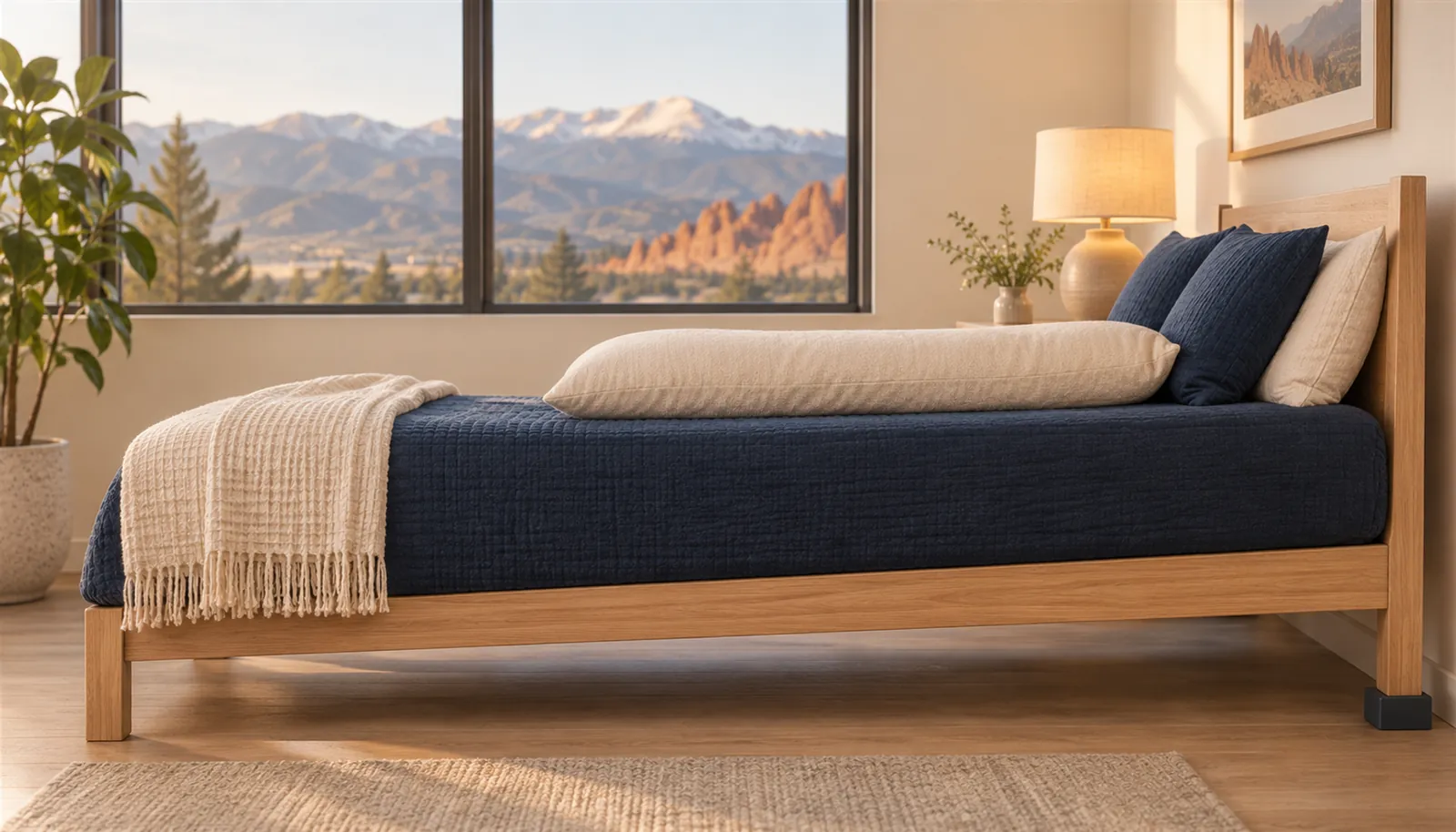
The fastest ways to snore less tonight are to sleep on your side, raise the head of your bed, and skip alcohol in the hours before bed. These steps may help right away, and they're free or cheap.
Side sleeping keeps your tongue from falling back into your throat. If you roll onto your back, a body pillow behind you can help you stay put. Raising the head of the bed by about four inches may ease snoring for some people. A wedge or bed risers may be more comfortable than a tall stack of pillows.
If you can't stop someone from snoring tonight, a gentle nudge onto their side often helps more than anything else. Earplugs or white noise can protect your own sleep while you work on the bigger fix. If you take sleeping pills or other sedatives, ask your doctor whether they could be making your snoring worse.
- Sleep on your side
- Raise the head of your bed
- Skip alcohol before bed
Do nasal strips for snoring work?
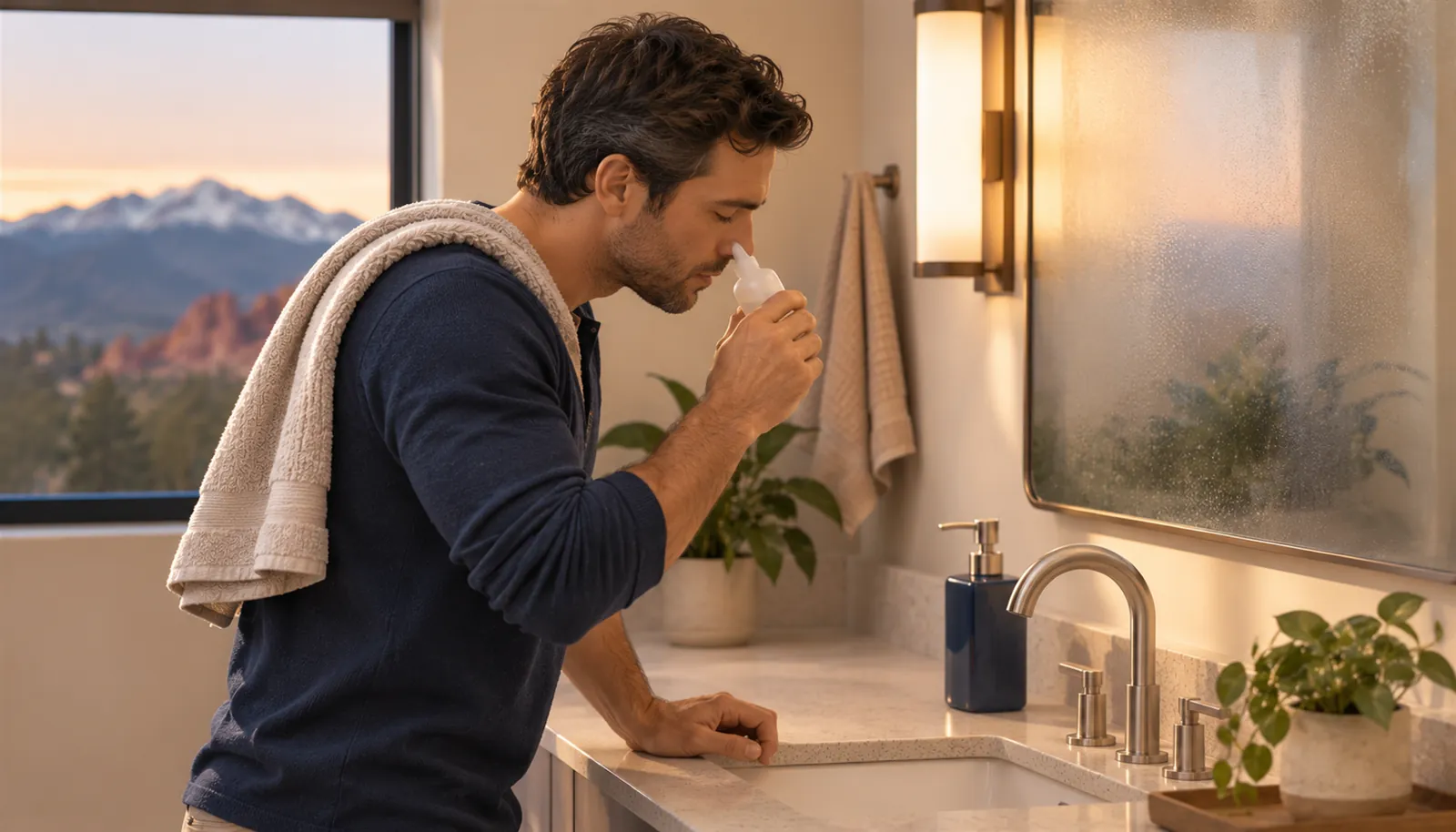
Nasal strips can help some people snore less, especially when snoring starts in the nose. They're stick-on strips that gently pull the sides of your nose open. That can widen the nasal passage so air moves more easily.
They work best if your nose is stuffy or narrow. They don't help much if your snoring comes from the throat, and they don't treat sleep apnea. If you try them and the snoring doesn't change, that tells you the problem is likely farther back.
Other nose helpers include saline sprays or rinses and treating allergies. If your nose always feels blocked, see your doctor. A long-term problem like a deviated septum may need medical care. Breathing through your nose is a big part of quiet sleep, and myofunctional therapy can help some people build better breathing habits.
How to stop snoring naturally

Natural ways to stop snoring include losing extra weight, quitting smoking, getting enough sleep, and doing mouth and throat exercises. They take longer than a quick fix, but they can make a real difference for some people.
Extra weight around the neck can narrow the airway, so even a modest loss may help. Smoking irritates the nose and throat. Being overtired can make throat muscles go slacker at night, so aim for seven or more hours of sleep.
Mouth and throat exercises, also called myofunctional therapy, train the tongue and throat muscles. A review of studies found they reduced snoring in adults. They work best when done every day and taught by a trained therapist. Our team offers myofunctional therapy as part of care for some patients. Be patient with these changes. They're good for your health either way, even if the snoring doesn't fully stop.
- Lose extra weight, if you have it
- Quit smoking
- Try daily mouth and throat exercises
What doesn't work, or isn't proven
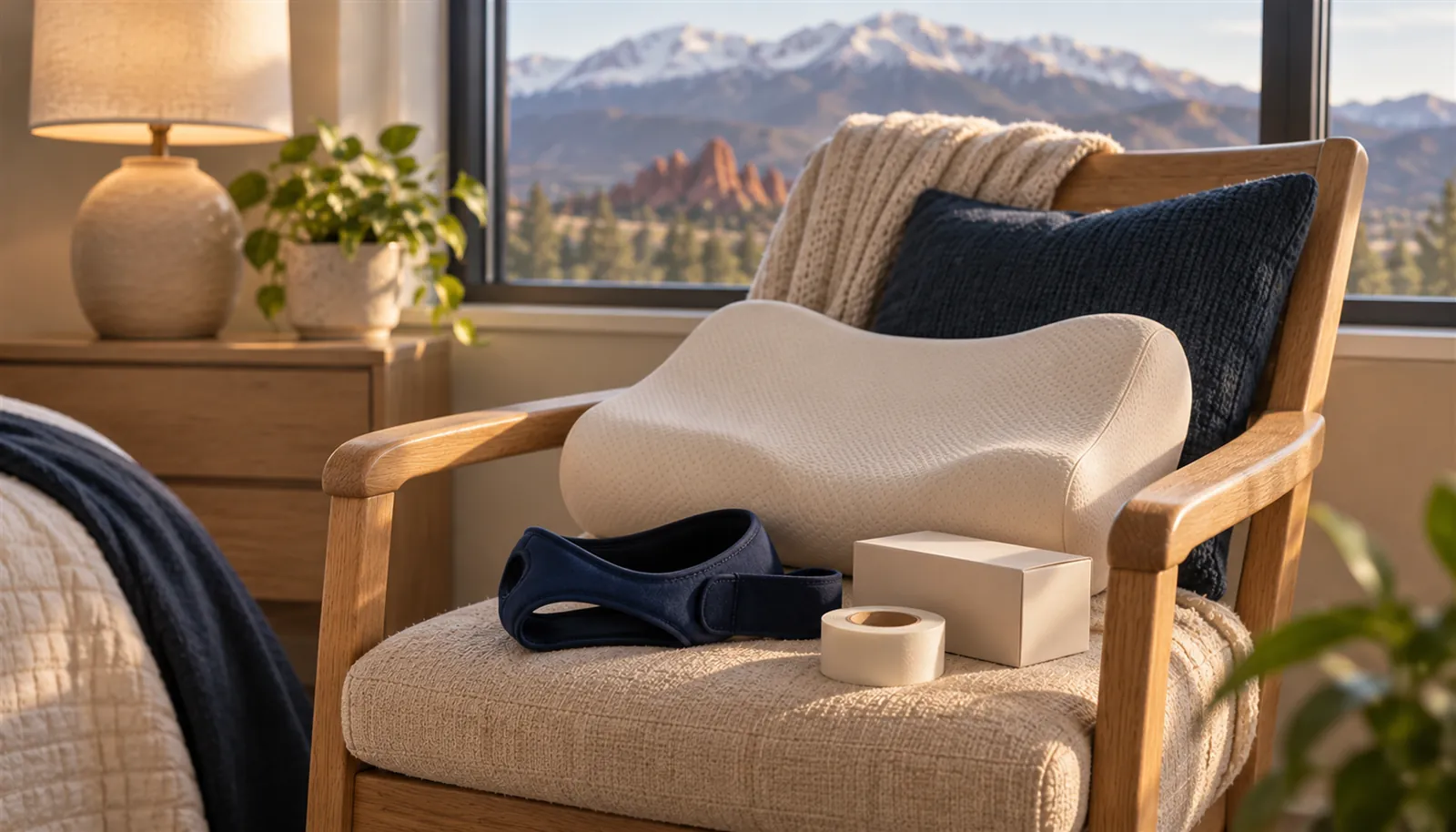
Many snoring products sound good but have little proof behind them. That doesn't mean none of them help anyone. It means you should be careful before you spend money or trust one to treat a health problem.
Mouth taping is a popular example. A 2025 review of the research found little evidence that it helps snoring or sleep apnea. It also raised safety concerns for people who can't breathe well through their nose. Talk with your doctor before you try it.
Special snoring pillows may help a little if they keep you on your side. Apps and wristbands that buzz when you snore can track the noise, but they can't tell you whether you have sleep apnea. And a store-bought mouth guard may quiet snoring while breathing pauses go on, which can hide a bigger problem. When in doubt, ask what the product is meant to treat, and whether a sleep test should come first.
Mouth guards and in-office snoring treatments
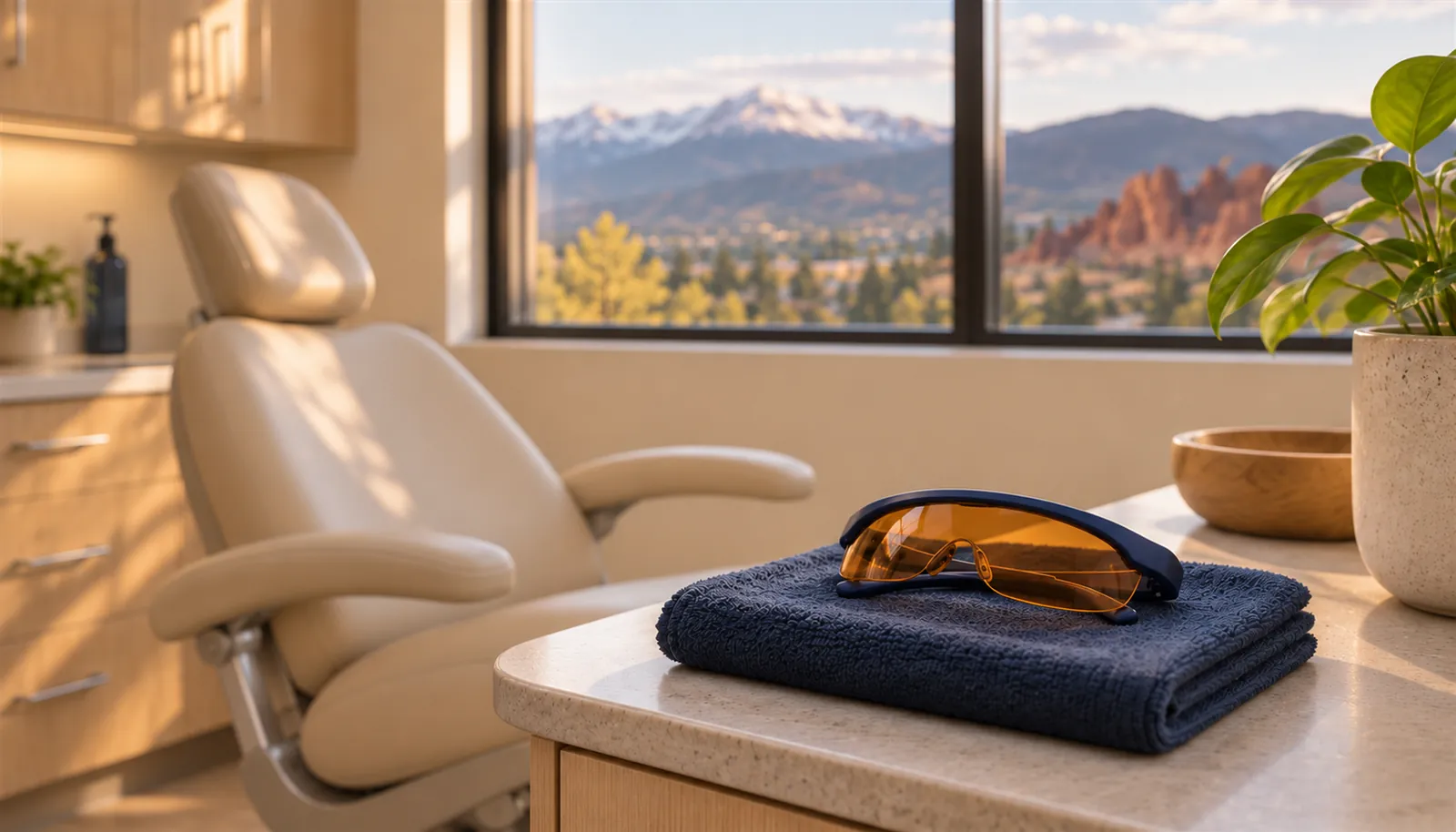
If home remedies don't work, a dentist trained in sleep care can offer treatments that target the cause. The two most common are a custom mouth guard and an in-office laser treatment.
A custom mouth guard, also called an oral appliance, holds your lower jaw slightly forward so your airway stays more open. Sleep guidelines support oral appliances for adults who want treatment for snoring. A custom one fits better and can be adjusted. Learn more in our guide to sleep apnea mouth guards.
NightLase is an in-office option with no mouthpiece to wear. It uses a gentle laser to warm the tissue at the back of your mouth, which may firm the soft palate so it vibrates less. There are no cuts or stitches. It's a snoring treatment, so we check for sleep apnea first. Every person is different, so results vary.
When to get your snoring checked

Get your snoring checked if it's loud and happens most nights, if someone hears you stop breathing or gasp, or if you feel tired during the day. A sleep test is the first step. Many people can take one at home, in their own bed. Read how a home sleep test compares with a lab study.
At our Colorado Springs office, we check your airway, jaw, bite, and nose, then look at your sleep test results. We'll explain whether your snoring looks like simple snoring or sleep apnea, and walk you through your snoring treatment options in plain words.
Coming from farther away? We help out-of-town patients plan their visits, too. Bring your partner if you can. They often know more about your snoring than you do.

Diplomate, American Board of Dental Sleep Medicine since 2018. Member, American Academy of Craniofacial Pain.
Sources
- Mayo Clinic. Snoring: diagnosis and treatment.
- American Academy of Sleep Medicine. Snoring.
- Ramar K, et al. Clinical practice guideline for the treatment of obstructive sleep apnea and snoring with oral appliance therapy: an update for 2015. J Dent Sleep Med, 2015.
- Camacho M, et al. Oropharyngeal and tongue exercises (myofunctional therapy) for snoring: a systematic review and meta-analysis. Eur Arch Otorhinolaryngol, 2018.
- Rhee J, et al. Breaking social media fads and uncovering the safety and efficacy of mouth taping in patients with mouth breathing, sleep disordered breathing, or obstructive sleep apnea: a systematic review. PLOS One, 2025.
- Picavet VA, et al. Treatment of snoring using a non-invasive Er:YAG laser with SMOOTH mode (NightLase): a randomized controlled trial. Eur Arch Otorhinolaryngol, 2023.
This article is general information, not medical advice. Every person is different. Talk with your doctor or book a consult about your own care.