The short answer
- At altitude, there's less oxygen in each breath. That can add central pauses on top of obstructive sleep apnea.
- Periodic breathing, a wax-and-wane pattern with pauses, is common when people sleep higher than they're used to.
- Home sleep test results can read differently at altitude, so tell your doctor where you sleep and get tested at home altitude.
Colorado Springs sits at about 6,000 feet. That's more than a mile up, and high altitude can affect sleep apnea. Most days you don't think about it, unless you're climbing stairs after a trip to the coast. But altitude can also change how you breathe at night.
This guide explains how thinner air affects sleep apnea, what periodic breathing is, why oxygen readings run lower here, and how home sleep test results can look at altitude. It's written for people who live along the Front Range, and for the friends and family who visit them.
How high is Colorado Springs?
Colorado Springs is about 6,035 feet above sea level, or roughly 1,840 meters. Nearby towns sit even higher. Monument is close to 7,000 feet, and Woodland Park is about 8,500 feet.
The air up here has the same share of oxygen as air at the beach. But the air pressure is lower, so each breath carries less oxygen into your lungs. Your body makes up for it by breathing a bit faster and deeper, especially when you first arrive.
That works well during the day. At night, when your breathing runs on autopilot, those changes can make sleep less steady. For people who already have sleep apnea, altitude can add a second kind of breathing problem on top of the first. And if you live in Monument or Woodland Park, the effect may be a little stronger than in town.
How does altitude affect sleep apnea?
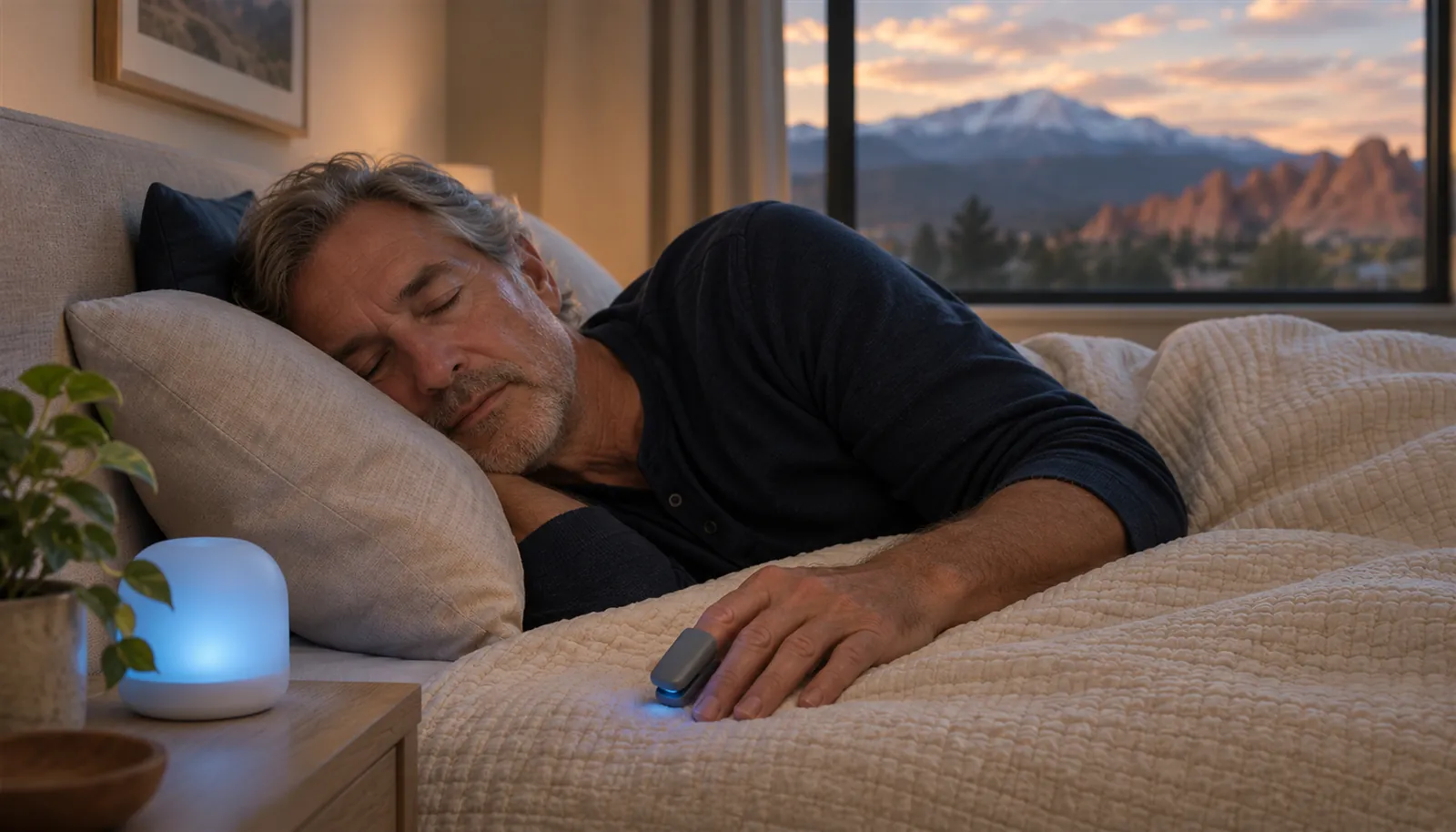
Altitude can make sleep apnea worse for many people, mostly by adding central breathing pauses. In one well-known study, people with obstructive sleep apnea stopped their CPAP and spent nights at about 6,100 feet and about 8,500 feet. Compared with nights near sea level, their breathing pauses went up a lot.
Most of that increase came from central events, not more blocked airways. Their oxygen levels also dropped, their blood pressure rose, and they did worse on a driving test. Those people were visitors from low ground, which matters, as you'll see below.
The takeaway is simple. If you have sleep apnea, altitude is one more reason to treat it, and not to skip treatment on a mountain trip. If you use CPAP and move here from low ground, ask your sleep doctor whether your settings should be checked. Pressure changes can be part of care at altitude.
Central vs obstructive sleep apnea at altitude
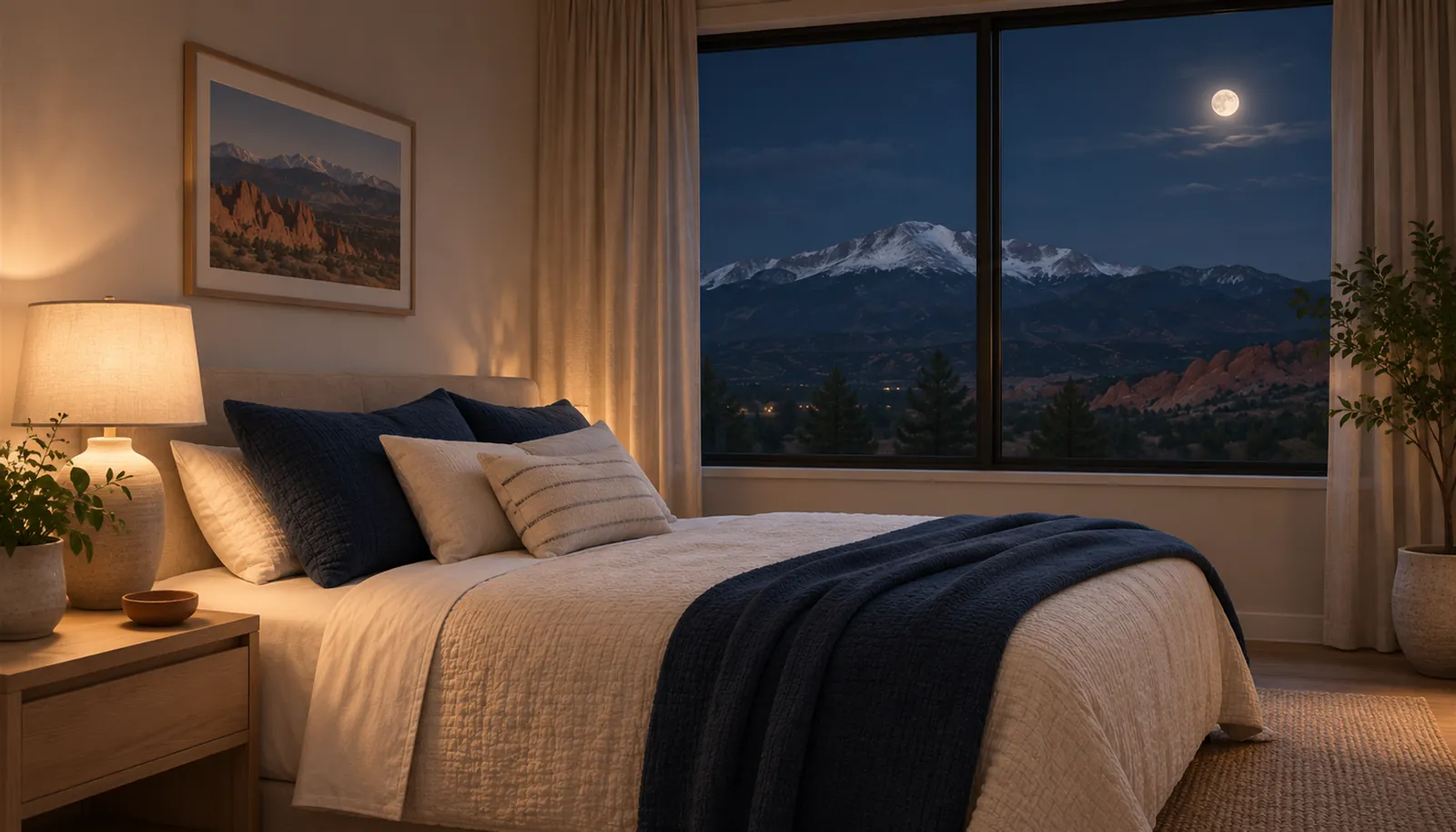
There are two main kinds of sleep apnea, and altitude affects them in different ways. Obstructive sleep apnea (OSA) means the airway gets blocked. The soft tissues in your throat relax and close off the air, even though your body keeps trying to breathe.
Central sleep apnea is different. The airway is open, but the brain briefly stops sending the signal to breathe. Low oxygen at altitude can set off this pattern, because it throws off the balance of oxygen and carbon dioxide your brain uses to time each breath.
Many people at altitude have a mix of both. That matters for treatment. A dental oral appliance can help with the obstructive part, because it holds the jaw forward to keep the airway more open. It won't fix central pauses. So it's important to know which kind you have before you choose a treatment.
What is periodic breathing?
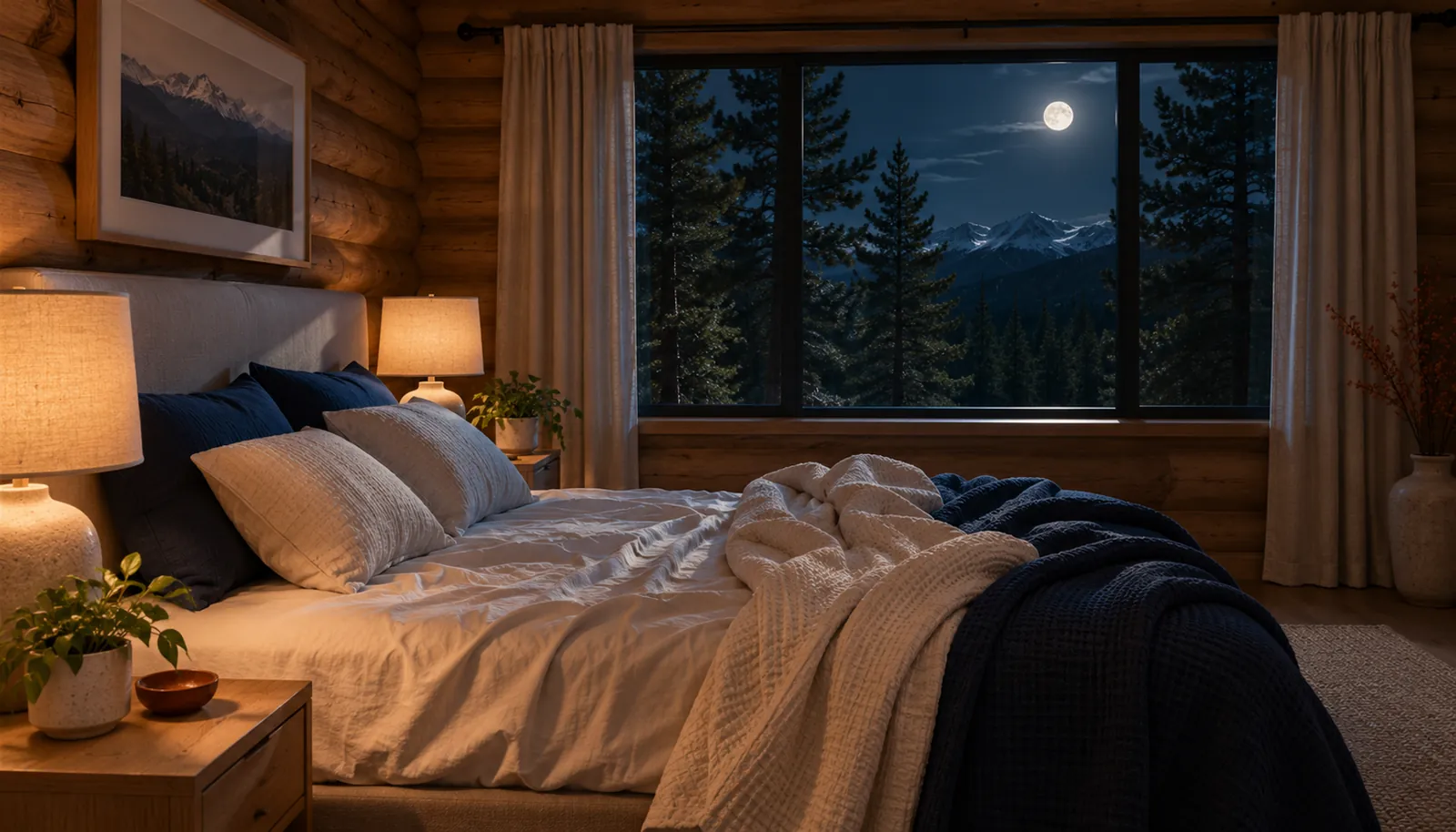
Periodic breathing is a pattern where breathing gets deeper, then shallower, then pauses, over and over during sleep. A partner may notice it as quiet stretches followed by a few big breaths. It's one of the most common ways altitude changes sleep.
Here's what happens. Low oxygen makes you breathe harder. Breathing harder blows off carbon dioxide. When carbon dioxide drops too low, the brain eases off the signal to breathe, and a pause follows. Then oxygen dips, and the cycle starts again.
Experts see periodic breathing as a normal body response to thin air. It's much more common above our height, often above about 8,000 feet, but it can show up lower. It tends to ease as your body adjusts. If it keeps waking you, or comes with loud snoring and gasping, it's worth a sleep test.
Why oxygen levels run lower here
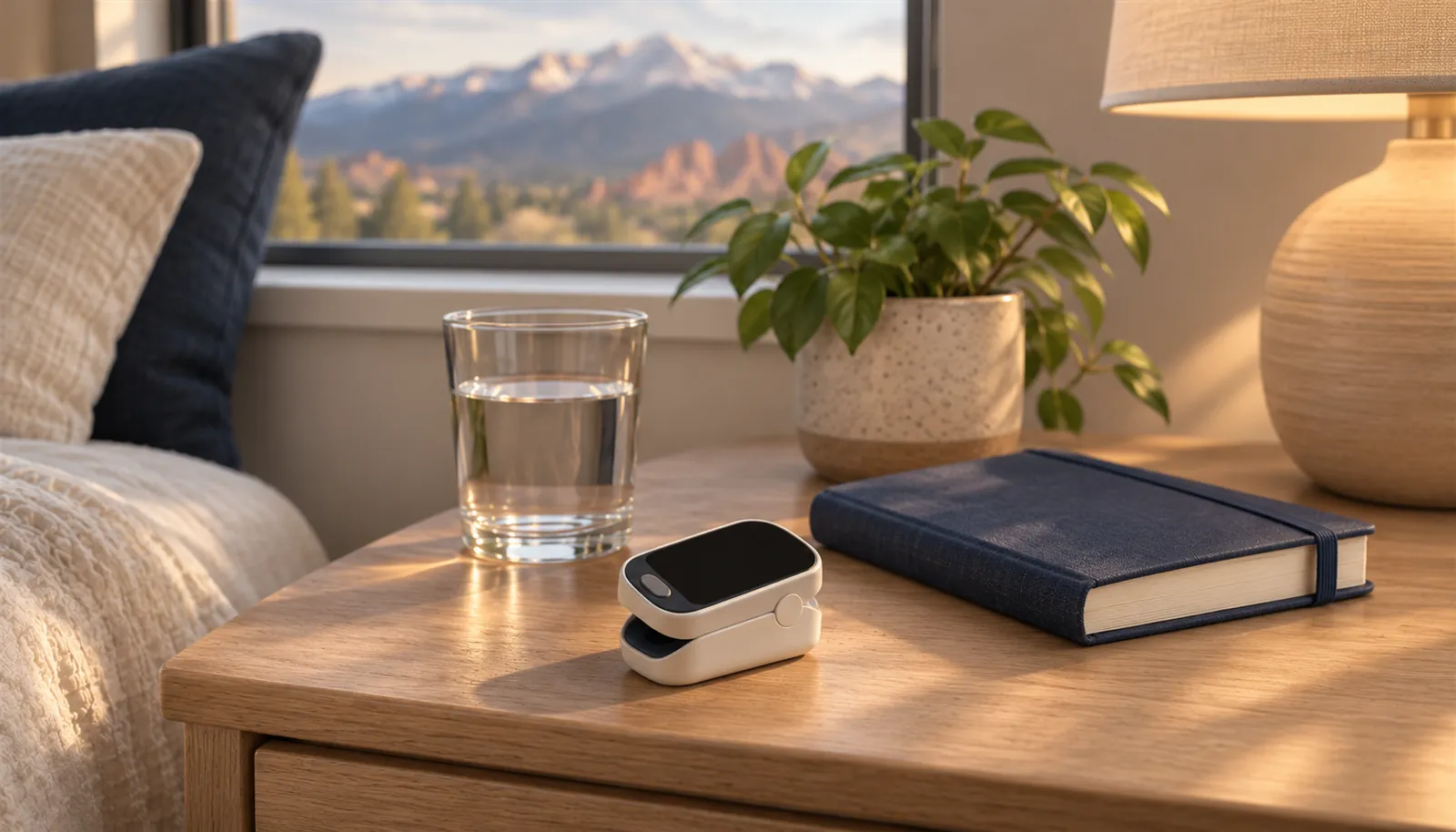
Oxygen levels tend to run a bit lower at altitude, even in healthy people. That's because each breath carries less oxygen. A reading that would be low at sea level may be more common here.
In the study above, people's median oxygen during sleep was about 94% near sea level. It dropped to about 90% at a height close to ours, and lower still at a Woodland Park height. Those people had untreated sleep apnea, so healthy readings can be higher. But the pattern shows how much altitude matters.
Home pulse oximeters can be handy, but one quick reading doesn't tell you much at altitude. Readings can swing up and down. If you're worried about your numbers, don't guess. Talk with your doctor, who can look at the whole night. Lung or heart problems can also lower oxygen, and those need a medical checkup.
Visitors vs residents: who notices more?
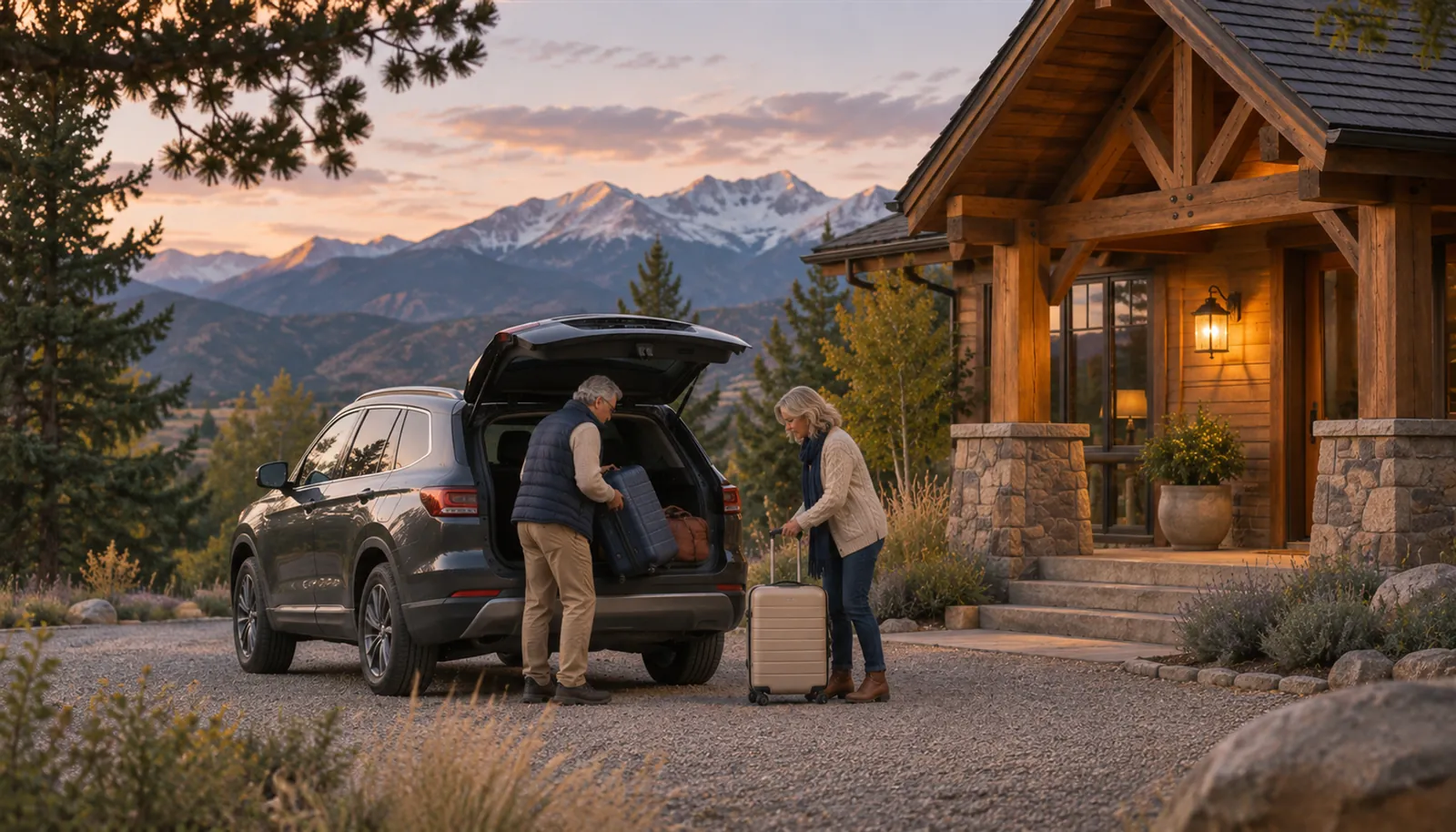
Visitors usually notice altitude sleep problems more than people who live here. If you fly in from sea level and sleep in Colorado Springs the same night, your body hasn't had time to adjust. Restless sleep, waking often, and periodic breathing are common the first few nights.
People who live at altitude adapt over time, though how much varies from person to person. That doesn't mean residents are safe from sleep apnea. Obstructive sleep apnea is about the shape of your airway, your jaw, your weight, and more. Living at 6,000 feet doesn't fix any of that.
If family is coming to visit and uses CPAP, remind them to bring it. Anyone who has sleep apnea and plans to go much higher, like to Woodland Park or above, should ask their sleep doctor about the trip first.
Home sleep test results at altitude
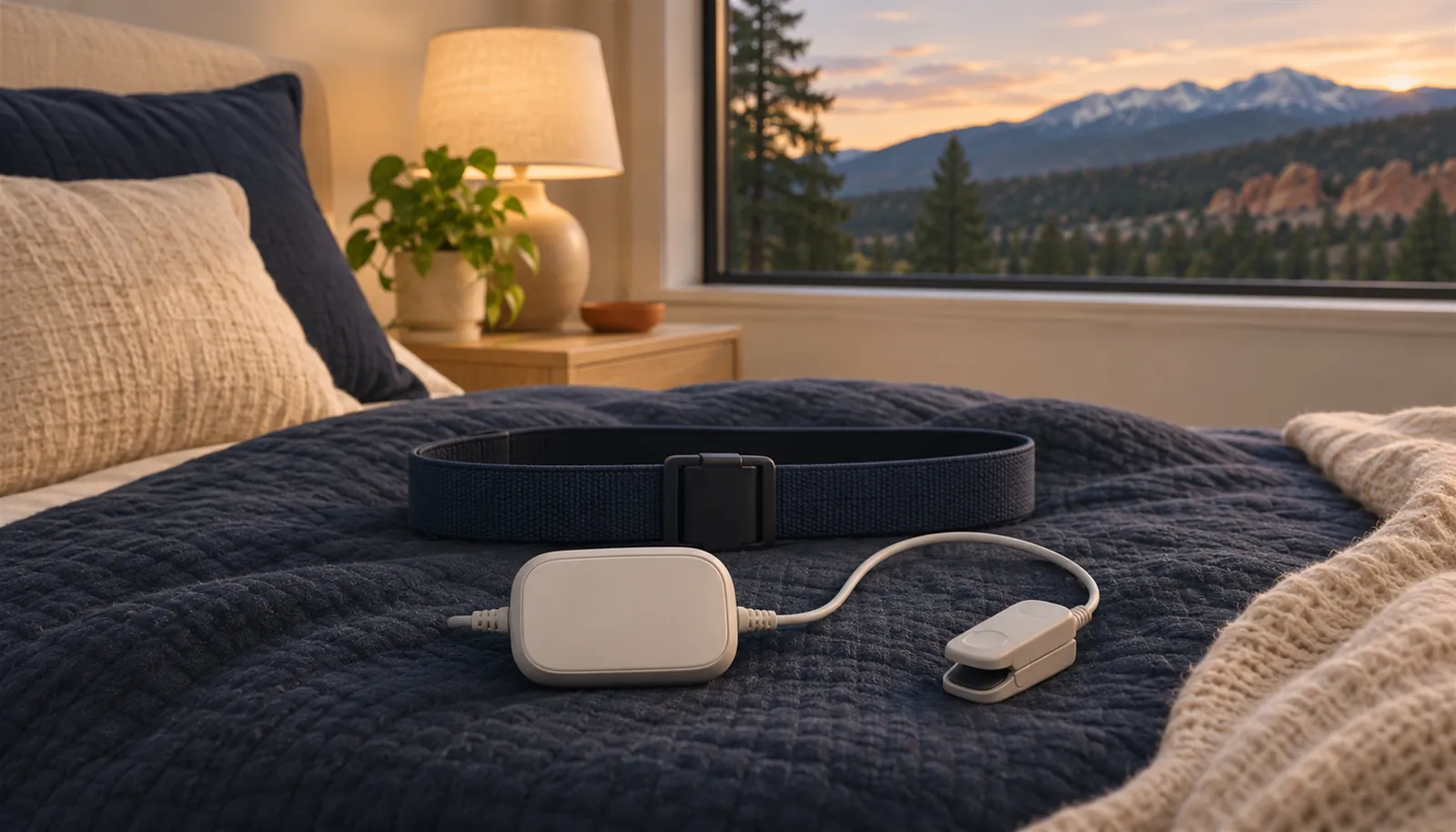
Home sleep test results can read differently at altitude, so it helps to test where you normally sleep. Many breathing events are scored partly by how much your oxygen drops. When your starting oxygen is already lower, a pause may push it down further, so results can look different than they would at sea level.
Altitude can also add central events. Home tests are best for adults with likely obstructive sleep apnea and no major other health problems. Sleep medicine guidelines note that home tests aren't proven for some breathing problems, such as central sleep apnea. If a home test is negative or unclear, an in-lab sleep study is the next step.
One case report showed how much location can matter. The same man had moderate sleep apnea in a high city and much milder results lower down. So if you took a sleep test at sea level and now live here, tell your doctor. Read more in our guide to home sleep tests vs lab sleep studies.
- Test at the altitude where you usually sleep
- Tell your doctor where you took any past tests
- Ask whether central events showed up
Getting checked in the Pikes Peak region
If you snore, wake up tired, or your partner notices pauses, get a sleep test. That's true at any altitude. We can help you get a home sleep test here at home altitude, then explain the results in plain words.
If you have obstructive sleep apnea, we'll talk through your options, including a custom oral appliance and other sleep apnea treatment. If central events show up, we'll work with your sleep doctor, because that part needs medical care. If CPAP has been hard for you, read why CPAP can be hard to tolerate.
We see patients from all over the region, from the plains to the high country. Dr. Erlander is a Diplomate of the American Board of Dental Sleep Medicine, and both of our doctors work with your sleep doctor to keep your care connected. Coming from farther away? We help out-of-town patients plan their visits, too.
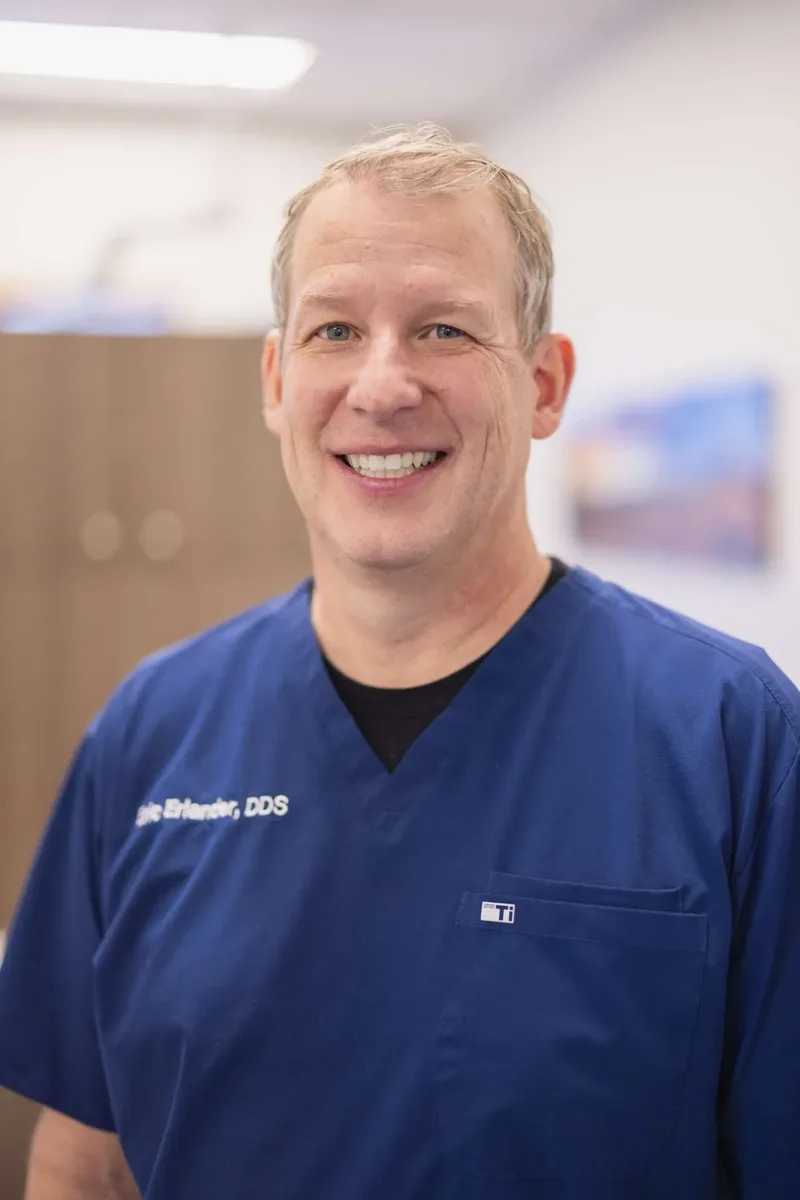
Diplomate, American Board of Dental Sleep Medicine since 2018. Member, American Academy of Craniofacial Pain.
Sources
- Nussbaumer-Ochsner Y, et al. Exacerbation of sleep apnoea by frequent central events in patients with the obstructive sleep apnoea syndrome at altitude: a randomised trial. Thorax, 2010.
- Venkat D, Dhillon K, Rowley JA. Effects of high altitude on sleep and respiratory system. Curr Pulmonol Rep, 2021.
- Karaki A, Attarian HP. Central sleep apnea due to high-altitude periodic breathing. MedLink Neurology.
- Kapur VK, et al. Clinical practice guideline for diagnostic testing for adult obstructive sleep apnea. J Clin Sleep Med, 2017.
- Castellanos-Ramírez JC, et al. Sleep characteristics in an adult with sleep complaints in three cities at different altitudes. J Bras Pneumol, 2016.
This article is general information, not medical advice. Every person is different. Talk with your doctor or book a consult about your own care.